Suspended Ceiling Vents: Advanced Ventilation Solutions for Modern Buildings

Get a Free Quote

Our representative will contact you soon.
Email
Name
Company Name
Message
0/1000

suspended ceiling vents

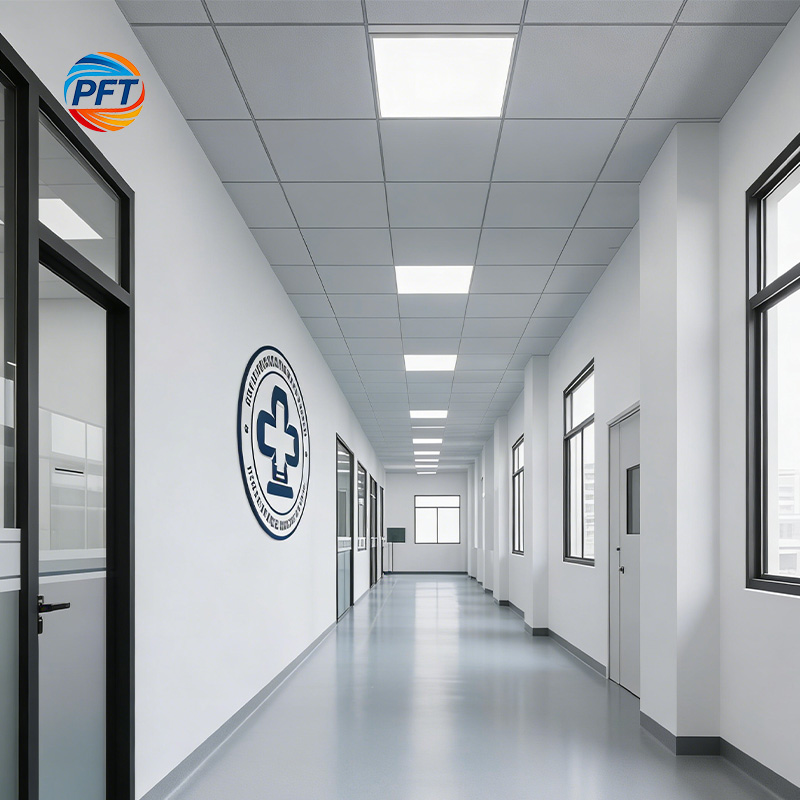
Suspended ceiling vents represent a sophisticated ventilation solution designed specifically for modern commercial and residential buildings that utilize drop ceiling systems. These innovative ventilation components integrate seamlessly into suspended ceiling frameworks, providing efficient air circulation while maintaining aesthetic appeal and functional flexibility. The primary purpose of suspended ceiling vents is to facilitate controlled airflow within interior spaces, ensuring optimal indoor air quality and temperature regulation. These systems work by creating strategic air pathways through the ceiling structure, allowing fresh air to enter while enabling stale air to exit effectively. The technological foundation of suspended ceiling vents relies on precision engineering that considers factors such as air pressure differentials, flow dynamics, and acoustic performance. Most suspended ceiling vents feature adjustable dampers that allow users to control airflow direction and volume according to specific requirements. The installation process involves mounting the vent units directly into standard ceiling grid systems, making them compatible with various ceiling tile configurations. Modern suspended ceiling vents incorporate advanced materials such as powder-coated steel, aluminum alloys, and high-grade plastics that resist corrosion and maintain structural integrity over extended periods. Many models include built-in filters that capture dust particles and airborne contaminants before they enter the occupied space. The applications for suspended ceiling vents span numerous sectors including office buildings, retail establishments, healthcare facilities, educational institutions, and residential developments. In commercial environments, these vents support HVAC systems by providing distributed air delivery points that ensure uniform temperature and air quality throughout large spaces. Healthcare facilities particularly benefit from suspended ceiling vents because they enable precise control over air movement patterns, which is crucial for maintaining sterile environments and preventing cross-contamination. The modular design of suspended ceiling vents allows for easy maintenance and replacement without disrupting the entire ceiling system, making them a practical choice for facilities management teams.

New Product Recommendations

Suspended ceiling vents offer numerous practical benefits that make them an excellent investment for property owners and facility managers seeking efficient ventilation solutions. The installation flexibility of suspended ceiling vents stands out as a major advantage, as these units can be positioned anywhere within the ceiling grid system without requiring extensive structural modifications. This adaptability allows architects and engineers to optimize air distribution patterns based on room layout and occupancy requirements. The cost-effectiveness of suspended ceiling vents becomes apparent when compared to traditional ductwork extensions, as they eliminate the need for complex routing and multiple connection points. Maintenance accessibility represents another significant benefit, since technicians can easily remove ceiling tiles to service or replace vent components without disturbing surrounding areas. The aesthetic integration capability of suspended ceiling vents ensures that ventilation functionality does not compromise interior design goals, as these units blend seamlessly with standard ceiling tiles and maintain clean, professional appearances. Energy efficiency improvements result from the strategic placement of suspended ceiling vents, which enables more precise air delivery and reduces the workload on primary HVAC systems. The noise reduction properties of quality suspended ceiling vents contribute to comfortable indoor environments by incorporating sound-dampening materials and aerodynamic designs that minimize air turbulence. Durability characteristics of suspended ceiling vents ensure long-term performance with minimal replacement requirements, as manufacturers use corrosion-resistant materials and robust construction techniques. The scalability advantage allows building owners to expand or modify ventilation capacity by adding or relocating suspended ceiling vents as space utilization changes over time. Indoor air quality enhancement occurs through the effective circulation patterns created by properly positioned suspended ceiling vents, which prevent stagnant air pockets and reduce humidity buildup. The compatibility factor with existing HVAC infrastructure means that suspended ceiling vents can be integrated into current systems without requiring major equipment upgrades or redesigns. Fire safety compliance is often improved through suspended ceiling vents that include automatic closing mechanisms and fire-rated materials that meet building code requirements. The temperature uniformity achieved through strategic placement of suspended ceiling vents eliminates hot and cold spots, creating more comfortable working and living environments while reducing energy waste.

Latest News

The Development Of New Building Materials And Products Is A Requirement Of The Sustainable Development Strategy

04

Mar

The Development Of New Building Materials And Products Is A Requirement Of The Sustainable Development Strategy

View More
Industry Rising Star: PVC Gypsum Ceiling Tile Leads Prefabricated Interior Decoration Into the Era of

04

Mar

Industry Rising Star: PVC Gypsum Ceiling Tile Leads Prefabricated Interior Decoration Into the Era of "Move-In Ready"

View More
PVC Gypsum Ceiling Tile: The

04

Mar

PVC Gypsum Ceiling Tile: The "Industrial Revolution" of the Renovation Industry Reshapes the Landscape of a Hundred-Billion-Dollar Wall Market

View More

Get a Free Quote

Our representative will contact you soon.
Email
Name
Company Name
Message
0/1000

suspended ceiling vents

Advanced Airflow Control Technology

Advanced Airflow Control Technology

The sophisticated airflow control technology integrated into modern suspended ceiling vents represents a breakthrough in ventilation engineering that delivers unprecedented precision in indoor climate management. This advanced system incorporates multi-directional louvers and adjustable dampers that allow users to fine-tune air distribution patterns according to specific spatial requirements and occupancy levels. The technology utilizes computational fluid dynamics principles to optimize air movement, ensuring that fresh air reaches all areas of a room while efficiently removing stale air and contaminants. Professional-grade suspended ceiling vents feature variable flow rate capabilities that automatically adjust to changing conditions, such as temperature fluctuations or occupancy variations, maintaining consistent comfort levels throughout the day. The precision control mechanisms enable facility managers to create customized ventilation zones within larger spaces, directing more airflow to high-occupancy areas while reducing flow to less utilized zones, resulting in significant energy savings. Advanced suspended ceiling vents incorporate sensor integration capabilities that work with building management systems to provide real-time monitoring and automated adjustments based on air quality measurements, temperature readings, and humidity levels. The aerodynamic design of these vents minimizes pressure drops and turbulence, ensuring smooth air delivery that maintains system efficiency and reduces operational costs. Sound attenuation technology built into premium suspended ceiling vents eliminates the whistling and rushing noises commonly associated with traditional ventilation systems, creating peaceful indoor environments that enhance productivity and comfort. The modular design approach allows for easy reconfiguration of airflow patterns when space layouts change, providing long-term flexibility that adapts to evolving building usage requirements. Quality suspended ceiling vents include fail-safe mechanisms that ensure continued operation even during system maintenance or component failures, maintaining critical ventilation functions in sensitive environments such as laboratories or cleanrooms.
Seamless Architectural Integration

Seamless Architectural Integration

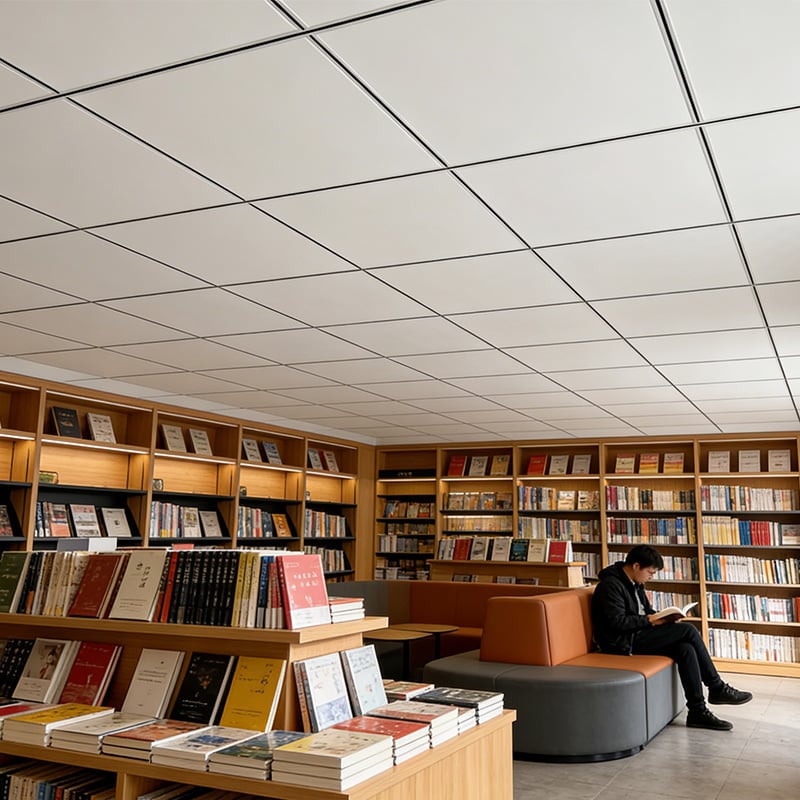
The seamless architectural integration capability of suspended ceiling vents transforms functional ventilation requirements into elegant design elements that enhance rather than compromise interior aesthetics. Modern suspended ceiling vents are engineered to match standard ceiling tile dimensions and finishes, creating visually cohesive installations that maintain the clean lines and professional appearance of contemporary commercial and residential spaces. The design flexibility offered by suspended ceiling vents allows architects to incorporate ventilation functionality without visible ductwork or bulky equipment that traditionally disrupts ceiling planes and spatial flow. Custom finish options enable suspended ceiling vents to complement any interior design scheme, with powder-coated surfaces available in numerous colors and textures that coordinate with existing architectural elements. The low-profile construction of premium suspended ceiling vents ensures minimal visual impact while maximizing functional performance, allowing designers to maintain intended spatial proportions and lighting arrangements. Integration compatibility extends to various ceiling systems including mineral fiber, metal pan, and gypsum board configurations, providing versatility for different architectural applications and renovation projects. The concealed mounting system eliminates visible fasteners and connection points, creating clean installations that appear as integral components of the ceiling structure rather than added mechanical elements. Advanced suspended ceiling vents incorporate LED lighting options that serve dual purposes of illumination and ventilation, reducing the need for separate light fixtures and simplifying ceiling layouts. The acoustic properties of well-designed suspended ceiling vents contribute to overall sound management strategies by incorporating sound-absorbing materials and geometric configurations that reduce noise transmission between spaces. Maintenance access features are cleverly integrated into suspended ceiling vents without compromising visual appeal, allowing service technicians to perform routine inspections and cleaning through discrete access panels that remain virtually invisible during normal operation. The thermal performance characteristics of suspended ceiling vents include insulation properties that prevent condensation formation and maintain consistent surface temperatures, eliminating unsightly water stains or thermal bridging effects that can detract from architectural finishes.
Energy Efficiency and Cost Savings

Energy Efficiency and Cost Savings

The energy efficiency advantages and substantial cost savings delivered by suspended ceiling vents make them an intelligent investment for property owners seeking to reduce operational expenses while improving indoor environmental quality. Strategic placement of suspended ceiling vents optimizes HVAC system performance by creating efficient air circulation patterns that reduce the workload on primary heating and cooling equipment, resulting in measurable reductions in energy consumption and utility costs. The zoned ventilation capability of suspended ceiling vents enables precise climate control in different areas of a building, allowing facility managers to condition only occupied spaces and adjust airflow rates based on actual usage patterns rather than maintaining uniform conditions throughout entire buildings. Advanced suspended ceiling vents incorporate energy recovery features that capture and reuse thermal energy from exhaust air, preconditioning incoming fresh air to reduce heating and cooling loads while maintaining comfortable indoor conditions. The improved air distribution efficiency achieved through properly positioned suspended ceiling vents eliminates the temperature stratification and dead air zones that force HVAC systems to work harder to maintain desired comfort levels, translating into significant energy savings over time. Predictive maintenance capabilities built into smart suspended ceiling vents monitor system performance and alert facility managers to potential issues before they result in energy waste or equipment failures, preventing costly emergency repairs and extending equipment lifespan. The reduced ductwork requirements associated with suspended ceiling vents lower initial installation costs and minimize air leakage that typically occurs in traditional ducted systems, improving overall system efficiency and reducing ongoing maintenance expenses. Integration with building automation systems allows suspended ceiling vents to participate in demand-controlled ventilation strategies that automatically adjust airflow rates based on occupancy sensors, CO2 levels, and other environmental factors, optimizing energy usage throughout building operation cycles. The long service life and minimal maintenance requirements of quality suspended ceiling vents provide excellent return on investment, with durable construction materials and reliable mechanical components that perform consistently for decades with basic upkeep. Energy rebate programs and green building certification credits often apply to installations featuring high-efficiency suspended ceiling vents, providing additional financial incentives and recognition for environmentally responsible building practices.