 EN
EN



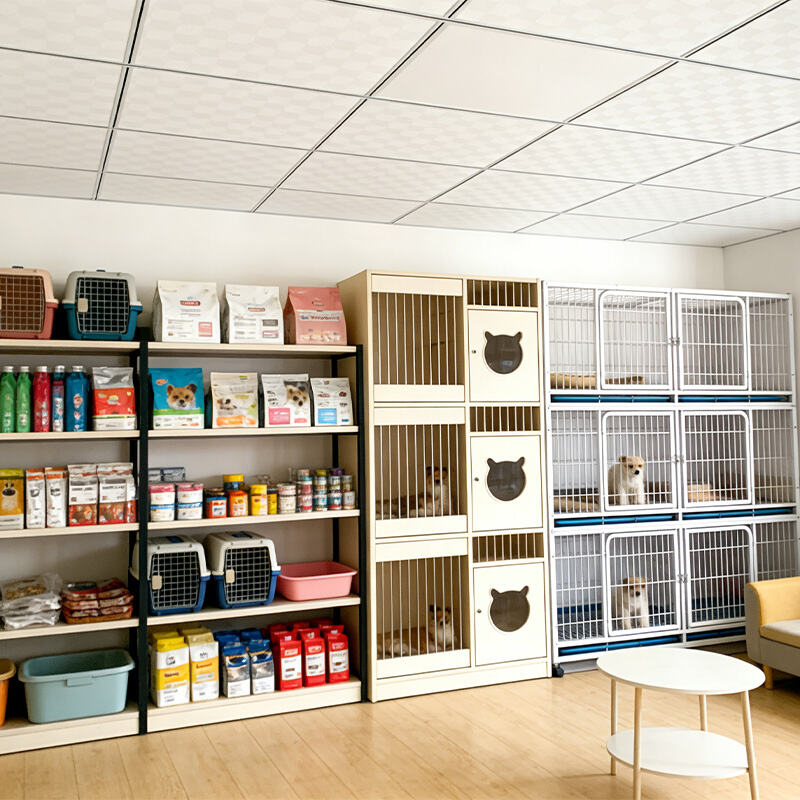
Selecting the right suspended ceiling system for commercial buildings requires careful evaluation of multiple factors including building function, aesthetic requirements, maintenance needs, and budget constraints. Commercial spaces demand ceiling solutions that balance performance with cost-effectiveness while meeting specific industry standards and building codes. The choice between different suspended ceiling system configurations can significantly impact both the initial installation costs and long-term operational efficiency of commercial facilities.
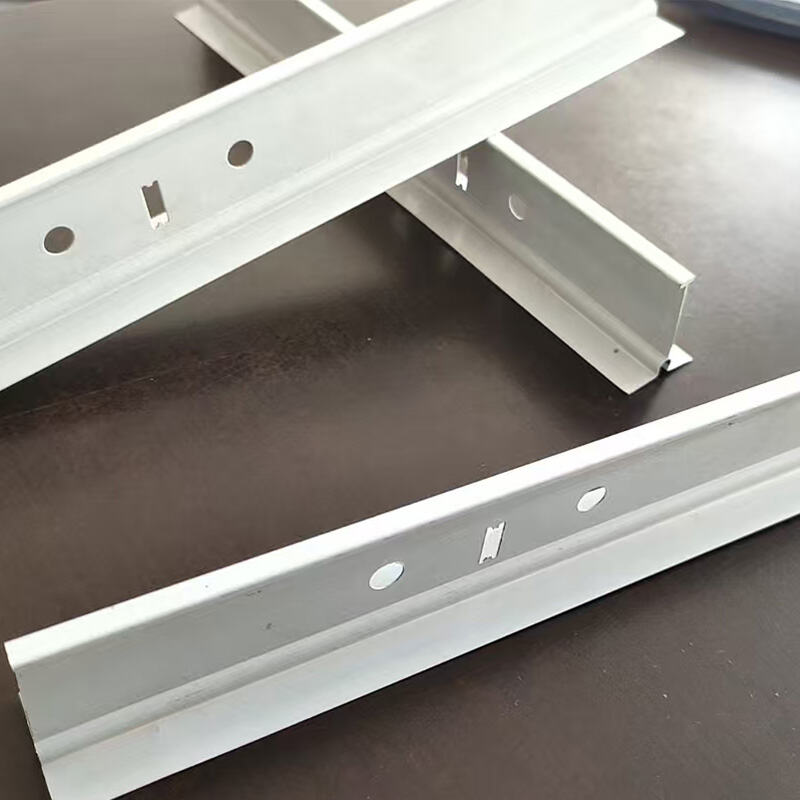
Understanding the relationship between building type and ceiling system requirements forms the foundation of making informed decisions about commercial ceiling installations. Different commercial environments present unique challenges that influence which suspended ceiling system will deliver optimal performance. Office buildings, retail spaces, healthcare facilities, and educational institutions each have distinct requirements that must be addressed through appropriate ceiling system selection to ensure long-term satisfaction and compliance with relevant regulations.
Primary Suspended Ceiling System Categories for Commercial Use
Lay-In Grid Systems for Standard Commercial Applications
Lay-in grid systems represent the most common suspended ceiling system choice for standard commercial buildings due to their versatility and ease of maintenance. These systems feature removable ceiling tiles that rest within a metal grid framework, providing convenient access to mechanical systems while maintaining a finished appearance. The modular design of lay-in suspended ceiling system installations allows for easy replacement of individual tiles and accommodates various lighting fixtures, air diffusers, and other ceiling-mounted equipment.
Commercial buildings benefit from lay-in systems because they offer excellent acoustical performance while supporting different tile materials including mineral fiber, fiberglass, and metal options. The standard 24-inch by 24-inch or 24-inch by 48-inch tile dimensions work well in most office environments and retail spaces where regular maintenance access is required. This suspended ceiling system type also provides thermal insulation benefits and can accommodate various edge details to achieve different aesthetic appearances.
Concealed Grid Systems for Premium Commercial Spaces
Concealed grid suspended ceiling system designs create seamless appearances that suit high-end commercial applications where visual continuity takes priority over maintenance accessibility. These systems hide the supporting grid structure behind specially designed ceiling panels, resulting in clean lines and uninterrupted surfaces. Premium office buildings, corporate headquarters, and upscale retail environments often specify concealed grid systems to achieve sophisticated interior aesthetics.
The installation complexity of concealed suspended ceiling system configurations requires skilled contractors and careful planning to ensure proper alignment and secure attachment. While maintenance access becomes more challenging compared to lay-in systems, the visual impact justifies the additional complexity in applications where appearance standards are paramount. These systems work particularly well in spaces with minimal mechanical equipment requiring frequent access.
Building Function Impact on Suspended Ceiling System Selection
Office Buildings and Corporate Facilities
Office buildings typically require suspended ceiling system solutions that balance acoustical performance with flexibility for technology integration and future modifications. Open office layouts benefit from ceiling systems that provide sound absorption while accommodating extensive lighting and HVAC distribution networks. The ability to easily relocate or add ceiling-mounted equipment becomes crucial as office configurations change over time to meet evolving workplace needs.
Corporate facilities often specify suspended ceiling system installations with higher aesthetic standards compared to basic office spaces. The ceiling design must support professional appearances while maintaining practical functionality for building systems. Meeting rooms, executive areas, and public spaces within office buildings may require different ceiling specifications within the same suspended ceiling system to address varying acoustical and visual requirements.
Retail and Commercial Spaces
Retail environments present unique challenges for suspended ceiling system selection due to the need for frequent lighting modifications, seasonal decorations, and merchandise display considerations. Shopping centers, department stores, and specialty retail spaces require ceiling systems that can support varying load requirements while maintaining consistent appearances across large areas. The ceiling design must accommodate both ambient and accent lighting while providing access for maintenance activities that occur during non-business hours.
Restaurant and hospitality applications within commercial buildings often specify custom suspended ceiling system configurations to support specialized equipment including exhaust systems, fire suppression networks, and audio-visual installations. These spaces require ceiling solutions that meet health department regulations while supporting the operational equipment necessary for food service and entertainment activities.
Technical Performance Criteria for Commercial Suspended Ceiling Systems
Load Bearing and Structural Requirements
Commercial suspended ceiling system installations must meet specific load-bearing requirements based on the equipment and systems they will support. Standard office applications typically require systems capable of supporting lighting fixtures, air diffusers, and occasional maintenance loads, while specialized facilities may need enhanced structural capacity for heavy equipment installations. The ceiling grid must distribute loads properly to the building structure while maintaining level installation across large spans.
Seismic requirements significantly influence suspended ceiling system design in many commercial applications, particularly in regions with active seismic activity. Building codes specify bracing and connection requirements that ensure ceiling systems remain secure during seismic events while preventing damage to building occupants and equipment. These requirements often determine the grid spacing, hanger systems, and perimeter attachment methods used in commercial installations.
Fire Safety and Code Compliance
Fire safety considerations play a critical role in suspended ceiling system selection for commercial buildings, with different occupancy types requiring specific fire ratings and smoke development characteristics. Healthcare facilities, educational buildings, and high-rise office structures often mandate ceiling systems with enhanced fire resistance compared to standard commercial applications. The ceiling materials and assembly must contribute to overall building fire safety strategies while maintaining other performance requirements.
Smoke and fire damper integration requires careful coordination between the suspended ceiling system and mechanical systems to ensure proper operation during emergency conditions. The ceiling grid must accommodate fire-rated assemblies while maintaining structural integrity and appearance standards. Regular inspection and maintenance access becomes crucial for fire safety equipment integrated into ceiling systems.
Installation and Maintenance Considerations
Construction Schedule Integration
Suspended ceiling system installation timing within commercial construction schedules affects both cost and quality outcomes. Coordinating ceiling installation with mechanical, electrical, and plumbing rough-in work ensures proper integration while avoiding conflicts and rework. The ceiling system serves as a coordination point for multiple building trades, making proper sequencing essential for efficient construction progress.
Phased construction and occupied building renovations require suspended ceiling system approaches that minimize disruption to ongoing business operations. Modular installation techniques and careful material staging become important factors in maintaining building functionality during construction activities. The ability to complete ceiling work in sections allows commercial buildings to remain partially operational during major renovation projects.
Long-term Maintenance and Lifecycle Costs
Commercial building owners must evaluate suspended ceiling system options based on total lifecycle costs rather than initial installation expenses alone. Systems requiring frequent maintenance or early replacement can significantly exceed the costs of higher-quality installations over the building's operational life. Regular cleaning, tile replacement, and grid maintenance requirements vary substantially between different ceiling system types and material choices.
Access requirements for building systems maintenance influence the long-term operational efficiency of suspended ceiling system installations. Ceiling designs that facilitate quick access for HVAC filter changes, lighting maintenance, and technology updates reduce ongoing operational costs while minimizing disruption to building occupants. The frequency and complexity of required maintenance activities should align with building management capabilities and budget allocations.
FAQ
What factors determine the best suspended ceiling system for office buildings?
Office buildings require suspended ceiling system solutions that prioritize acoustical performance, maintenance accessibility, and flexibility for technology integration. The ceiling must support standard lighting and HVAC equipment while providing sound absorption for open office environments. Consider factors including ceiling height, mechanical system requirements, and aesthetic standards when selecting between lay-in and concealed grid options for office applications.
How do building codes affect suspended ceiling system selection in commercial spaces?
Building codes significantly influence suspended ceiling system choices through fire safety requirements, seismic bracing standards, and accessibility provisions. Commercial buildings must meet specific fire ratings and smoke development criteria based on occupancy classification and building height. Seismic zones require enhanced bracing and connection systems, while accessibility codes may dictate ceiling heights and maintenance access provisions that affect system selection.
What maintenance considerations should influence suspended ceiling system decisions?
Maintenance requirements vary significantly between suspended ceiling system types, with lay-in systems offering easier access compared to concealed grid installations. Consider the frequency of required maintenance activities including lighting changes, HVAC filter replacement, and technology updates when selecting ceiling systems. Factor in both routine cleaning requirements and the complexity of accessing building systems located above the ceiling for long-term operational planning.
How do different commercial building types affect suspended ceiling system requirements?
Different commercial building types present unique requirements that influence suspended ceiling system selection based on functional needs, code requirements, and operational considerations. Healthcare facilities require enhanced infection control and specialized equipment integration, while retail spaces need flexibility for lighting modifications and seasonal changes. Educational buildings prioritize acoustical performance and durability, whereas office buildings focus on technology integration and workspace flexibility in their ceiling system specifications.
Table of Contents
- Primary Suspended Ceiling System Categories for Commercial Use
- Building Function Impact on Suspended Ceiling System Selection
- Technical Performance Criteria for Commercial Suspended Ceiling Systems
- Installation and Maintenance Considerations
-
FAQ
- What factors determine the best suspended ceiling system for office buildings?
- How do building codes affect suspended ceiling system selection in commercial spaces?
- What maintenance considerations should influence suspended ceiling system decisions?
- How do different commercial building types affect suspended ceiling system requirements?