 EN
EN



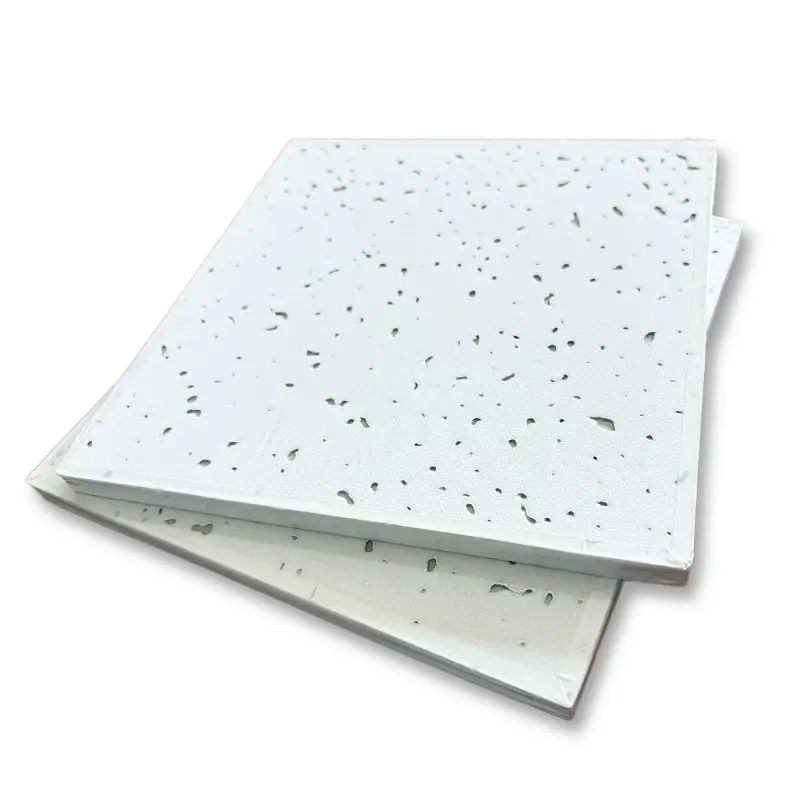
Yes, ceiling panels can dramatically transform the acoustics of a home theater room by controlling sound reflections, reducing echo, and creating a more immersive audio experience. The ceiling represents one of the largest reflective surfaces in any room, and when left untreated, it can cause significant acoustic issues that diminish the quality of your home theater system. Professional-grade ceiling panels designed for acoustic applications can address these challenges effectively, turning an ordinary room into a space that rivals commercial cinema environments.
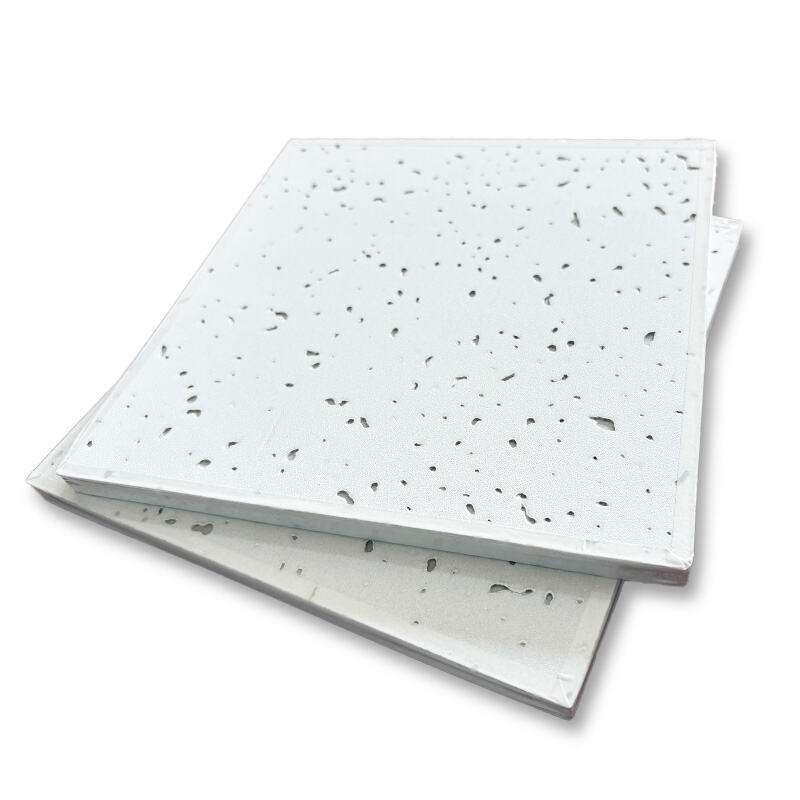
The transformation achieved through acoustic ceiling panels extends beyond simple noise reduction to encompass frequency balance, directional sound control, and the elimination of acoustic anomalies that can make dialogue unclear or create uneven sound distribution throughout the viewing space. When properly selected and installed, these specialized ceiling panels work in concert with your audio equipment to deliver the crisp, clear, and balanced sound experience that home theater enthusiasts seek.
Understanding Acoustic Challenges in Home Theater Environments
Primary Sound Reflection Issues
Home theater rooms face unique acoustic challenges that standard ceiling panels can effectively address. Hard ceiling surfaces create primary reflection points that bounce sound waves directly back to listeners, causing phase cancellation and comb filtering effects. These reflections arrive at your ears just milliseconds after the direct sound from speakers, creating interference patterns that muddy dialogue clarity and reduce stereo imaging precision.
The ceiling's position creates particularly problematic early reflections because sound waves traveling from speakers to ceiling and then to listeners often arrive with enough energy to significantly impact the perceived sound quality. Without proper ceiling panels, these reflections can make it difficult to localize sounds accurately within the home theater soundstage, reducing the immersive experience that high-quality audio systems are designed to provide.
Reverberation and Echo Control
Excessive reverberation represents another critical challenge that acoustic ceiling panels can resolve in home theater applications. When sound waves bounce repeatedly between hard surfaces including untreated ceilings, they create a reverberant field that extends the apparent length of sounds and reduces speech intelligibility. This effect becomes particularly noticeable during quiet dialogue scenes where reflected sound energy can mask important audio details.
Strategic placement of sound-absorbing ceiling panels breaks up these reflection patterns and reduces overall reverberation time to optimal levels for home theater use. The goal involves creating a controlled acoustic environment where direct sound from speakers reaches listeners clearly while unwanted reflections are minimized through targeted absorption and diffusion techniques.
Frequency Response Irregularities
Untreated ceilings contribute to significant frequency response irregularities throughout home theater spaces, creating peaks and nulls at different listening positions. These acoustic anomalies result from standing wave patterns and room mode interactions that ceiling panels can help control. Low-frequency issues often manifest as boomy or uneven bass response, while mid and high-frequency problems typically appear as harsh or sibilant sound characteristics.
Properly designed ceiling panels address these frequency response issues through targeted absorption and diffusion across critical frequency ranges. By controlling ceiling reflections, these acoustic treatments help create more consistent sound quality throughout the seating area, ensuring that every viewer experiences balanced audio regardless of their position within the room.
Types and Properties of Acoustic Ceiling Panels
Mineral Wool and Fiberglass Options
Mineral wool ceiling panels represent one of the most effective acoustic treatment options for home theater applications, offering excellent sound absorption across a broad frequency range. These ceiling panels typically feature high-density cores that effectively absorb sound energy while maintaining structural integrity under typical installation conditions. The fibrous structure of mineral wool creates numerous air pockets that convert sound energy into small amounts of heat through friction.
Fiberglass ceiling panels provide similar acoustic performance characteristics with slightly different handling properties and cost considerations. Both material types can achieve Noise Reduction Coefficient ratings exceeding 0.85 when properly manufactured, making them highly effective for controlling reflections and reverberation in home theater environments. The choice between mineral wool and fiberglass ceiling panels often depends on specific installation requirements and environmental considerations.
Foam and Polyester Acoustic Solutions
Acoustic foam ceiling panels offer lightweight installation advantages and excellent mid to high-frequency absorption characteristics that benefit home theater acoustics. These ceiling panels typically feature convoluted or pyramid surface textures that increase effective surface area for sound absorption while providing some degree of sound diffusion. Modern polyurethane foam formulations resist sagging and maintain acoustic performance over extended periods.
Polyester acoustic ceiling panels represent an increasingly popular option that combines effective sound absorption with improved fire resistance and environmental sustainability. These ceiling panels often incorporate recycled content while delivering acoustic performance comparable to traditional mineral wool options. The lightweight nature of polyester ceiling panels can simplify installation procedures and reduce structural loading requirements.
Hybrid and Specialized Design Features
Advanced ceiling panels for home theater applications often incorporate hybrid designs that combine multiple acoustic treatment approaches within single products. These specialized ceiling panels might integrate absorption materials with micro-perforated facing materials that provide controlled sound diffusion while maintaining clean aesthetic appearance suitable for residential installations.
Some premium ceiling panels feature variable density construction that optimizes acoustic performance across different frequency ranges while providing enhanced durability and moisture resistance. These design innovations allow single ceiling panel products to address multiple acoustic challenges simultaneously, potentially reducing the total number of different treatment types required for optimal home theater acoustic performance.
Installation Strategies and Placement Considerations
Optimal Coverage Patterns
Strategic placement of ceiling panels requires careful analysis of speaker locations, seating positions, and room geometry to achieve maximum acoustic benefit. The primary reflection zones directly above and between speakers and listeners represent critical areas where ceiling panels can provide the most significant improvement in sound quality. These zones typically extend in geometric patterns that can be calculated based on speaker height and listening position locations.
Full ceiling coverage with acoustic ceiling panels often provides the most comprehensive acoustic improvement, but targeted treatment can achieve substantial benefits with reduced material costs and installation complexity. Alternating patterns of absorptive and diffusive ceiling panels can create balanced acoustic environments that control unwanted reflections while maintaining some degree of acoustic liveliness appropriate for home theater use.
Suspension and Mounting Methods
Professional installation of acoustic ceiling panels typically utilizes suspended grid systems that allow precise positioning and easy access for maintenance or modifications. These mounting systems must provide adequate support for ceiling panel weight while maintaining proper spacing from structural ceiling surfaces to optimize acoustic performance. Air gaps behind ceiling panels can enhance low-frequency absorption effectiveness significantly.
Direct mounting methods may be appropriate for lightweight ceiling panels in certain applications, but care must be taken to ensure adequate mechanical attachment and long-term stability. The mounting method selection often depends on existing ceiling construction, desired aesthetic appearance, and accessibility requirements for building systems that may be located above the ceiling plane.
Integration with HVAC and Lighting Systems
Successful ceiling panel installation requires coordination with heating, ventilation, and air conditioning systems to maintain proper airflow patterns and temperature control throughout the home theater space. Acoustic ceiling panels can be designed with appropriate perforations or integrated openings to accommodate air distribution requirements without compromising acoustic performance significantly.
Lighting integration represents another important consideration when installing ceiling panels in home theater applications. Recessed lighting fixtures, track lighting systems, and ambient lighting elements must be coordinated with ceiling panel placement to ensure optimal illumination while maintaining acoustic treatment effectiveness. Some ceiling panels incorporate integrated lighting features that simplify installation and improve aesthetic integration.
Performance Benefits and Measurable Improvements
Quantified Acoustic Enhancement
Professional acoustic measurements typically demonstrate significant improvements in key parameters when quality ceiling panels are installed in home theater environments. Reverberation time reductions of 40-60% are commonly achieved, bringing room acoustic characteristics into optimal ranges for speech intelligibility and music reproduction. These improvements translate directly into enhanced dialogue clarity and more accurate sound localization throughout the listening area.
Sound pressure level variations across seating positions often decrease substantially after ceiling panel installation, creating more consistent listening experiences regardless of viewer location. Frequency response measurements typically show reduced peaks and nulls, particularly in mid and high-frequency ranges where ceiling reflections have the most significant impact on perceived sound quality.
Early reflection control achieved through strategic ceiling panels placement can improve stereo imaging precision measurably, allowing listeners to perceive more accurate spatial positioning of sounds within the home theater soundstage. These improvements become particularly noticeable during complex audio passages with multiple simultaneous sound sources.
Subjective Listening Experience Improvements
Beyond measurable acoustic parameters, ceiling panels typically provide immediately noticeable improvements in subjective listening quality that enhance overall home theater enjoyment. Dialogue becomes clearer and more intelligible, reducing the need for excessive volume levels or frequent subtitle use during movie viewing. Background music and sound effects achieve better separation and definition, contributing to more immersive entertainment experiences.
The reduced acoustic fatigue resulting from controlled reflections allows for longer viewing sessions without the listening discomfort that can occur in acoustically problematic rooms. This improvement stems from the elimination of phase cancellation and comb filtering effects that can create subtle but persistent auditory stress during extended listening periods.
System Performance Optimization
High-quality ceiling panels allow home theater audio systems to perform closer to their design potential by eliminating room-induced acoustic problems that can mask system capabilities. Speakers can be positioned for optimal direct sound delivery without excessive concern about ceiling reflection issues, potentially expanding placement options and improving overall system integration.
The improved acoustic environment often reveals previously masked details in audio content, effectively increasing the apparent resolution and dynamic range of existing equipment. This enhancement can make significant upgrades to audio system components feel less urgent while maximizing the return on investment from current equipment.
FAQ
How much difference can ceiling panels actually make in home theater sound quality?
Ceiling panels can make a dramatic difference in home theater sound quality, often providing improvements that rival expensive equipment upgrades. Most installations achieve 40-60% reduction in harmful reflections and reverberation, resulting in noticeably clearer dialogue, better stereo imaging, and more consistent sound quality throughout the seating area. The improvement is typically most apparent during quiet dialogue scenes and complex musical passages where reflection control significantly enhances clarity and detail.
What type of ceiling panels work best for home theater applications?
Mineral wool and high-density fiberglass ceiling panels generally provide the best overall performance for home theater use, offering excellent sound absorption across all frequency ranges important for movie and music reproduction. These materials typically achieve Noise Reduction Coefficient ratings of 0.85 or higher while maintaining durability and fire resistance appropriate for residential installation. The specific choice often depends on budget considerations, installation requirements, and aesthetic preferences.
Do I need to cover the entire ceiling with acoustic panels for effective treatment?
Complete ceiling coverage provides maximum acoustic benefit, but strategic placement of ceiling panels in primary reflection zones can achieve substantial improvements with less material and cost. The critical areas include the ceiling space directly above and between speakers and primary listening positions, typically covering 30-50% of total ceiling area. Professional acoustic analysis can identify the most effective placement patterns for specific room configurations and speaker arrangements.
How do ceiling panels compare to other acoustic treatment options for home theaters?
Ceiling panels typically provide the most significant acoustic improvement per square foot of treatment in home theater applications because the ceiling represents a large, highly reflective surface that directly impacts sound quality. While wall treatments and bass traps remain important components of comprehensive acoustic design, ceiling panels often deliver the most noticeable improvement in dialogue clarity and overall listening experience. The combination of ceiling panels with targeted wall treatments usually provides optimal results for serious home theater installations.
Table of Contents
- Understanding Acoustic Challenges in Home Theater Environments
- Types and Properties of Acoustic Ceiling Panels
- Installation Strategies and Placement Considerations
- Performance Benefits and Measurable Improvements
-
FAQ
- How much difference can ceiling panels actually make in home theater sound quality?
- What type of ceiling panels work best for home theater applications?
- Do I need to cover the entire ceiling with acoustic panels for effective treatment?
- How do ceiling panels compare to other acoustic treatment options for home theaters?