 EN
EN


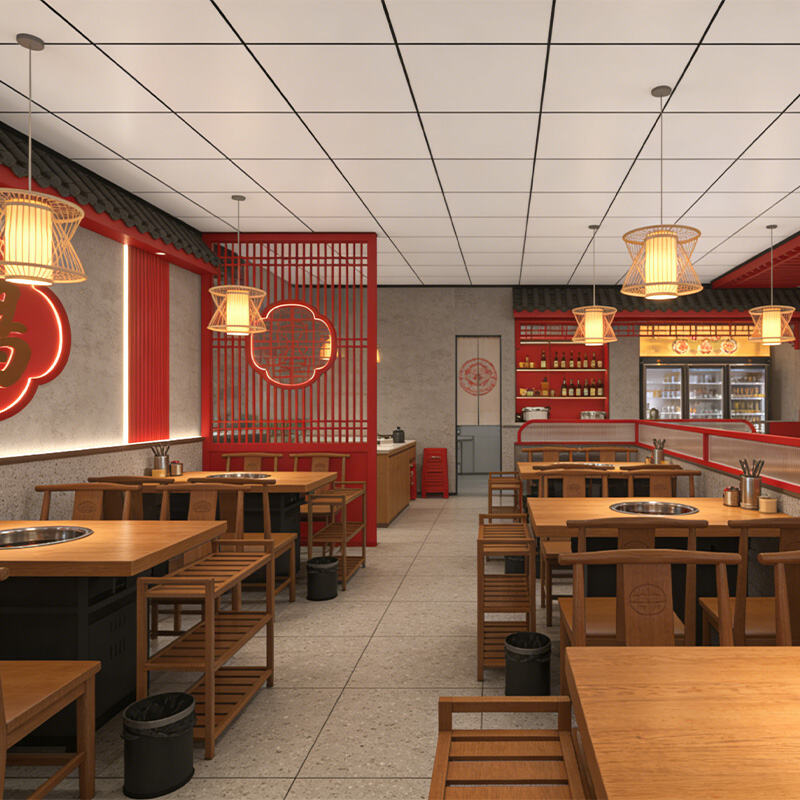
Selecting the right durable ceiling for high-traffic commercial areas requires careful consideration of material composition, traffic patterns, and long-term performance requirements. Commercial spaces such as retail stores, office complexes, hospitals, and educational facilities experience constant foot traffic below and frequent maintenance access above, creating unique structural demands that standard residential ceiling systems cannot adequately address. The durability factor becomes even more critical when considering the substantial investment in commercial ceiling installations and the operational disruption caused by frequent replacements or repairs.

High-traffic commercial environments generate specific challenges that directly impact ceiling longevity, including vibration transmission from constant movement, humidity fluctuations from HVAC systems, potential impact damage from maintenance activities, and exposure to cleaning chemicals and airborne contaminants. Understanding these environmental factors helps facility managers and architects make informed decisions about durable ceiling materials that will maintain structural integrity and aesthetic appeal throughout their intended service life. The selection process must balance immediate installation costs against long-term maintenance expenses while ensuring compliance with building codes and safety regulations.
Understanding High-Traffic Commercial Environment Demands
Traffic Pattern Analysis and Ceiling Stress Factors
High-traffic commercial areas subject ceiling systems to continuous structural stress through vibration transmission from foot traffic, equipment movement, and building settling. The constant movement of people and machinery creates micro-vibrations that travel through floor systems and impact suspended ceiling components, particularly at connection points and grid intersections. A durable ceiling must accommodate these dynamic loads without developing loose panels, sagging sections, or grid misalignment that compromises both appearance and functionality.
Mechanical stress also occurs during routine maintenance activities when technicians access above-ceiling spaces for HVAC servicing, electrical work, or telecommunications installations. These activities often require removing and replacing ceiling panels repeatedly, creating wear patterns at lifting points and edge connections. The durability assessment must consider how ceiling materials respond to repeated handling, including resistance to edge chipping, surface scratching, and dimensional stability under thermal cycling.
Environmental Conditions and Material Performance
Commercial buildings typically maintain controlled environmental conditions, but high-traffic areas experience greater fluctuations in temperature and humidity due to frequent door openings, occupancy variations, and HVAC load changes. A durable ceiling system must demonstrate dimensional stability across these environmental ranges, maintaining flat panel surfaces and tight grid connections without warping, cupping, or gap formation that affects acoustical performance and visual continuity.
Air quality considerations become particularly important in commercial environments where ceiling surfaces accumulate dust, smoke residue, and airborne contaminants from increased occupancy. The selected durable ceiling materials should resist staining and discoloration while supporting regular cleaning protocols without surface degradation. This requirement extends to resistance against cleaning chemicals and disinfectants commonly used in commercial facilities, ensuring that maintenance activities enhance rather than compromise ceiling appearance and performance.
Material Composition and Durability Characteristics
Mineral Fiber Ceiling Performance Attributes
Mineral fiber ceiling tiles represent a proven solution for high-traffic commercial applications due to their engineered composition combining natural and synthetic fibers with inorganic binders. These materials demonstrate excellent dimensional stability under varying humidity conditions while maintaining consistent acoustical properties and fire resistance ratings required in commercial installations. The manufacturing process creates a uniform density structure that resists sagging and maintains panel flatness even under thermal stress conditions typical of commercial HVAC systems.
The durability characteristics of mineral fiber systems extend to their edge integrity and handling resistance, crucial factors in commercial environments requiring frequent ceiling access. High-quality mineral fiber tiles maintain clean, straight edges even after repeated removal and reinstallation, preventing the ragged appearance that develops with lower-grade materials. The surface texture and finish options available in mineral fiber systems provide both aesthetic flexibility and practical benefits, including soil resistance and cleanability that support long-term appearance retention in high-traffic settings.
Alternative Material Considerations for Durability
Metal ceiling systems offer exceptional durability in commercial applications, particularly where moisture resistance and impact protection are primary concerns. Aluminum and steel ceiling panels provide superior edge stability and maintain precise dimensional tolerances under mechanical stress, making them suitable for areas with heavy maintenance access requirements. However, metal systems typically require more robust suspension systems and may present acoustical challenges that need addressing through perforated designs or backed panels.
Gypsum-based ceiling materials provide excellent fire resistance and smooth finish options but may lack the impact resistance and moisture tolerance required in high-traffic commercial environments. While these materials can be engineered for improved durability, they generally require more careful handling during installation and maintenance activities. The selection between material types should consider specific traffic patterns, environmental conditions, and maintenance protocols planned for each commercial space to ensure optimal long-term performance of the durable ceiling installation.
Installation and Support System Requirements
Grid System Design for High-Traffic Applications
The suspension grid system forms the structural foundation for any durable ceiling installation, and high-traffic commercial applications require enhanced grid specifications to handle increased loads and vibration transmission. Heavy-duty grid systems utilize thicker gauge steel components with reinforced connection hardware designed to maintain alignment under continuous stress conditions. The grid spacing and hanger density must account for the additional loads created by frequent access activities and the dynamic forces transmitted through building structures during peak occupancy periods.
Proper grid installation techniques become critical for durable ceiling performance, including precise leveling, adequate hanger spacing, and appropriate connection methods that accommodate building movement without compromising ceiling stability. The grid system must also incorporate provisions for heavy equipment access, including reinforcement zones around HVAC units, lighting fixtures, and other ceiling-mounted systems that require periodic maintenance. These design considerations ensure that the durable ceiling system maintains structural integrity throughout its intended service life.
Panel Support and Edge Details
Durable ceiling installations in high-traffic commercial areas require careful attention to panel support details, particularly at perimeter conditions and penetration points where structural loads concentrate. The edge treatment specifications must accommodate building movement while maintaining weather seals and visual continuity. This includes proper expansion joint placement, flexible perimeter attachments, and transition details that prevent panel damage during normal building settlement or thermal cycling.
Panel installation techniques for durable ceiling systems emphasize proper seating in grid components, adequate clearances for thermal movement, and consistent support across all panel edges. Special attention must be paid to areas around mechanical equipment where vibration transmission is highest, often requiring isolation details or reinforced mounting systems. The installation specifications should address both initial placement requirements and long-term adjustment procedures that maintain optimal panel positioning throughout the building's operational life.
Performance Testing and Quality Standards
Durability Testing Protocols
Durable ceiling materials undergo comprehensive testing procedures designed to simulate the conditions encountered in high-traffic commercial environments. These tests include cyclic loading assessments that evaluate panel and grid response to repeated stress applications, humidity cycling tests that measure dimensional stability across moisture ranges, and impact resistance evaluations that determine damage thresholds under maintenance activities. The testing protocols provide quantitative data supporting material selection decisions and long-term performance expectations.
Industry standards such as ASTM International specifications establish minimum performance criteria for durable ceiling systems, covering aspects including fire resistance ratings, acoustical properties, and structural capacity requirements. Commercial projects often specify testing requirements that exceed these minimum standards, particularly for critical applications such as healthcare facilities, educational institutions, and government buildings where ceiling failure could impact operations or occupant safety. The testing documentation becomes an essential component of the material selection process for high-traffic commercial installations.
Quality Assurance and Installation Monitoring
Quality control procedures for durable ceiling installations include material inspection protocols, installation technique verification, and post-installation performance monitoring that ensures system components meet specified requirements. These procedures often involve third-party inspections at critical installation phases, particularly for grid system alignment, hanger placement, and panel seating that directly impact long-term durability. The quality assurance program should establish clear acceptance criteria and corrective action procedures that address any deficiencies identified during installation.
Long-term monitoring programs help validate the durability characteristics of installed ceiling systems while providing data for future material selection decisions. These programs typically track performance indicators such as panel condition, grid alignment, and maintenance frequency over extended periods, creating databases that support evidence-based decision making for similar projects. The monitoring results often reveal performance patterns that inform both material improvements and installation technique refinements for enhanced durable ceiling system effectiveness.
Maintenance Planning and Lifecycle Considerations
Preventive Maintenance Strategies
Effective maintenance planning for durable ceiling systems in high-traffic commercial areas begins with establishing regular inspection schedules that identify potential problems before they affect system performance or appearance. These inspections should focus on grid alignment, panel condition, and connection integrity, particularly in areas subject to heavy maintenance traffic or environmental stress. The maintenance program should include cleaning protocols appropriate for the selected ceiling materials, ensuring that routine care activities enhance rather than compromise system durability.
Proactive maintenance strategies also involve maintaining adequate spare panel inventories to support rapid replacement of damaged components without disrupting facility operations. The spare material management program should account for potential changes in material availability and ensure color and texture matching throughout the building's operational life. Documentation of maintenance activities provides valuable feedback for evaluating actual versus predicted durability performance and supports continuous improvement in both material selection and maintenance procedures.
Lifecycle Cost Analysis and Replacement Planning
Lifecycle cost analysis for durable ceiling systems must consider both direct material and installation costs along with indirect costs associated with maintenance activities, operational disruptions, and energy performance impacts. High-traffic commercial applications often justify premium ceiling materials based on reduced maintenance frequency, extended service life, and improved appearance retention that supports building value and tenant satisfaction. The analysis should include realistic projections of labor costs, material availability, and building modification requirements that may affect future maintenance activities.
Replacement planning strategies should establish performance thresholds that trigger systematic ceiling renewal rather than reactive repairs that may compromise overall system integrity. These strategies often involve phased replacement programs that minimize operational disruptions while maintaining consistent appearance standards throughout the facility. The planning process should also consider potential building modifications, code updates, and technology changes that may affect ceiling system requirements during the building's operational life, ensuring that durable ceiling selections remain compatible with evolving facility needs and regulatory requirements.
FAQ
What factors determine the lifespan of a durable ceiling in high-traffic commercial areas?
The lifespan of a durable ceiling depends on material quality, installation techniques, environmental conditions, and maintenance practices. High-quality mineral fiber systems typically last 15-25 years in commercial applications, while metal systems may exceed 30 years. Key factors include resistance to humidity fluctuations, impact damage from maintenance activities, and the frequency of ceiling access for building system servicing. Regular inspections and proper maintenance can significantly extend system life by addressing minor issues before they compromise overall performance.
How do I evaluate the cost-effectiveness of premium durable ceiling materials?
Cost-effectiveness evaluation should consider total lifecycle costs including initial material and installation expenses, maintenance frequency and costs, replacement schedules, and operational impacts during maintenance activities. Premium durable ceiling materials often provide lower total costs over 20-30 year periods despite higher upfront investments. Factor in energy efficiency impacts, appearance retention that supports property values, and reduced maintenance disruptions that affect tenant satisfaction and building operations.
What maintenance access considerations affect durable ceiling selection?
High-traffic commercial buildings require frequent access to above-ceiling spaces for HVAC maintenance, electrical work, and telecommunications updates. Durable ceiling selection must consider how materials respond to repeated handling, including edge integrity, panel weight, and reinstallation ease. Materials should maintain dimensional stability and appearance after multiple removal and replacement cycles while supporting maintenance worker safety through appropriate load ratings and handling characteristics.
Are there specific building code requirements for durable ceilings in commercial applications?
Commercial durable ceiling installations must comply with fire resistance ratings, seismic design requirements, and accessibility standards established by local building codes and national standards. Most commercial applications require Class A fire ratings and specific structural capacity ratings based on building height and occupancy type. Additionally, some jurisdictions have specific requirements for healthcare facilities, educational buildings, or other specialized commercial applications that may influence material selection and installation details for optimal durability performance.
Table of Contents
- Understanding High-Traffic Commercial Environment Demands
- Material Composition and Durability Characteristics
- Installation and Support System Requirements
- Performance Testing and Quality Standards
- Maintenance Planning and Lifecycle Considerations
-
FAQ
- What factors determine the lifespan of a durable ceiling in high-traffic commercial areas?
- How do I evaluate the cost-effectiveness of premium durable ceiling materials?
- What maintenance access considerations affect durable ceiling selection?
- Are there specific building code requirements for durable ceilings in commercial applications?