 EN
EN



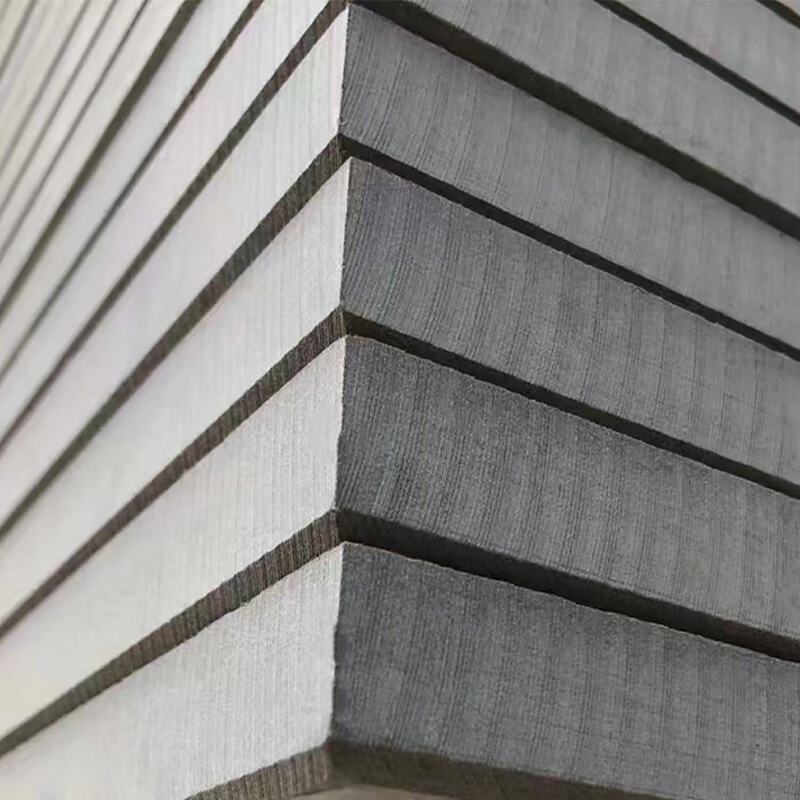
Selecting sustainable construction materials for your project requires a strategic approach that balances environmental responsibility with performance, cost, and long-term durability. The construction industry accounts for approximately 40% of global carbon emissions, making the choice of construction materials a critical decision that impacts both project success and environmental stewardship. Understanding the key criteria for evaluating sustainable construction materials empowers builders, architects, and project managers to make informed decisions that align with green building standards while meeting practical construction requirements.

The selection process involves evaluating multiple factors including recycled content, renewable sourcing, energy efficiency during production, transportation impact, and end-of-life recyclability. Modern construction materials increasingly offer sustainable alternatives that maintain or exceed traditional performance standards while reducing environmental footprint. This comprehensive approach to material selection ensures that your construction project contributes to sustainable development goals while delivering the quality and durability expected from professional construction work.
Understanding Sustainability Criteria in Construction Materials
Environmental Impact Assessment
Evaluating the environmental impact of construction materials begins with understanding their complete lifecycle assessment, from raw material extraction through manufacturing, transportation, installation, use phase, and eventual disposal or recycling. Sustainable construction materials typically demonstrate lower embodied energy, which refers to the total energy consumed during the production process. This includes energy used in mining, processing, manufacturing, and transporting materials to the construction site.
Carbon footprint analysis plays a crucial role in material selection, as different construction materials produce varying levels of greenhouse gas emissions during production. Materials with high recycled content often show significantly lower carbon footprints compared to those produced entirely from virgin resources. Additionally, locally sourced construction materials reduce transportation emissions and support regional economies while minimizing the overall environmental impact of your project.
Renewable and Recycled Content
The percentage of recycled or renewable content in construction materials serves as a primary indicator of sustainability. Materials containing post-consumer or post-industrial recycled content help divert waste from landfills while reducing the demand for virgin resources. Renewable construction materials, such as those derived from rapidly regenerating natural sources, offer excellent sustainability profiles when properly managed and harvested.
Third-party certifications help verify the recycled content claims of construction materials, providing reliable data for decision-making. Look for materials certified by recognized organizations that track and verify recycled content percentages. The availability of supplier documentation regarding material composition enables accurate assessment of sustainability credentials and supports project certification under green building rating systems.
Performance Standards and Durability Requirements
Structural Performance Metrics
Sustainable construction materials must meet or exceed conventional performance standards to ensure structural integrity and safety. Compressive strength, tensile strength, and flexural properties of construction materials directly impact their suitability for specific applications. Advanced sustainable materials often incorporate innovative manufacturing processes that enhance performance characteristics while maintaining environmental benefits.
Fire resistance, moisture resistance, and thermal performance represent critical performance criteria that sustainable construction materials must satisfy. Modern sustainable alternatives frequently outperform traditional materials in these areas through advanced formulations and manufacturing techniques. Testing data from accredited laboratories provides objective evidence of material performance, enabling confident specification decisions for construction projects.
Longevity and Maintenance Considerations
The expected lifespan of construction materials significantly influences their overall sustainability profile, as longer-lasting materials reduce replacement frequency and associated environmental impacts. Durability testing results help predict material performance over time under various environmental conditions, including temperature fluctuations, moisture exposure, and mechanical stress.
Maintenance requirements for construction materials affect long-term sustainability through ongoing resource consumption and chemical treatments. Low-maintenance sustainable materials reduce the need for frequent cleaning, sealing, or protective treatments that may contain harmful chemicals. The total cost of ownership, including initial material cost plus maintenance expenses over the material's lifespan, provides a comprehensive economic perspective on material sustainability.
Certification Systems and Standards
Green Building Rating Systems
Major green building certification programs establish specific requirements for sustainable construction materials, providing clear guidelines for material selection. These systems typically award points or credits for materials with verified environmental attributes, including recycled content, regional sourcing, low-emission characteristics, and responsible manufacturing processes. Understanding the requirements of relevant certification systems helps guide material selection decisions toward options that support project certification goals.
Documentation requirements for green building certifications necessitate comprehensive material data, including environmental product declarations, third-party certifications, and supply chain transparency information. Manufacturers of sustainable construction materials increasingly provide detailed environmental documentation to support certification processes. This information enables accurate tracking of material contributions to overall project sustainability metrics.
Industry Standards and Compliance
Building codes and industry standards establish minimum requirements for construction materials while increasingly incorporating sustainability considerations. Compliance with relevant standards ensures that sustainable material choices meet safety and performance requirements while contributing to environmental goals. Many jurisdictions now include sustainability requirements in building codes, making sustainable construction materials not just environmentally responsible but legally required.
International standards organizations continue developing comprehensive frameworks for evaluating and comparing the sustainability of construction materials, providing objective criteria for assessment. These evolving standards help standardize sustainability metrics across different material categories and manufacturers, facilitating more informed decision-making in material specification processes.
Cost Analysis and Economic Factors
Initial Investment Considerations
The upfront cost of sustainable construction materials often differs from conventional alternatives, requiring careful economic analysis to understand the total project investment. While some sustainable options may carry higher initial costs, others offer competitive pricing that makes sustainable choices economically attractive without compromising project budgets. Market dynamics and increasing production volumes for sustainable construction materials continue to drive cost improvements over time.
Bulk purchasing opportunities and supplier relationships can significantly influence the cost-effectiveness of sustainable construction materials. Early engagement with suppliers during project planning phases enables better pricing negotiations and ensures material availability within project timelines. The growing market demand for sustainable construction materials has led to increased competition among suppliers, often resulting in more favorable pricing for buyers.
Long-term Economic Benefits
Energy efficiency benefits from sustainable construction materials generate ongoing operational savings that help offset higher initial costs over the building's lifecycle. Improved insulation properties, reduced maintenance requirements, and enhanced durability contribute to lower total ownership costs. These economic benefits become more significant over time, making sustainable construction materials increasingly attractive from a financial perspective.
Property value enhancement represents an additional economic benefit of sustainable construction materials, as green buildings typically command higher market values and rental rates. Market trends indicate growing tenant and buyer preference for environmentally responsible buildings, translating sustainable material choices into tangible economic returns for property owners and developers.
Practical Implementation Strategies
Supplier Evaluation and Selection
Identifying reliable suppliers of sustainable construction materials requires thorough evaluation of their environmental credentials, quality systems, and supply chain transparency. Supplier questionnaires help gather essential information about manufacturing processes, environmental certifications, and sustainability practices. Site visits to supplier facilities provide valuable insights into actual production methods and quality control processes for construction materials.
Supply chain reliability becomes particularly important for sustainable construction materials, as availability and delivery schedules must align with project timelines. Establishing relationships with multiple qualified suppliers helps ensure material availability while maintaining competitive pricing. Supplier diversity considerations may also support broader sustainability goals by including local and minority-owned businesses in the supply chain for construction materials.
Installation and Quality Control
Proper installation techniques for sustainable construction materials ensure optimal performance and longevity, maximizing the environmental benefits of material selection. Installation requirements may differ from conventional materials, necessitating contractor training and specialized installation procedures. Quality control protocols help verify that sustainable construction materials meet specified performance criteria throughout the installation process.
Documentation and tracking systems enable monitoring of sustainable material usage throughout construction projects, supporting both quality control and certification requirements. Digital tracking tools facilitate accurate record-keeping for construction materials, ensuring compliance with sustainability goals and providing data for post-occupancy performance evaluation.
FAQ
What certifications should I look for when selecting sustainable construction materials?
Look for certifications from recognized organizations such as GREENGUARD for low emissions, Forest Stewardship Council for wood products, and Cradle to Cradle for overall sustainability. These third-party certifications provide independent verification of environmental claims and help ensure that your chosen construction materials meet established sustainability standards.
How do I balance sustainability goals with budget constraints for construction materials?
Focus on materials that offer both environmental benefits and long-term cost savings through reduced maintenance, energy efficiency, or durability improvements. Consider the total lifecycle costs rather than just initial purchase price, and prioritize sustainable construction materials for high-impact applications where they provide the greatest environmental benefit relative to cost.
Can sustainable construction materials meet the same performance requirements as traditional materials?
Yes, many sustainable construction materials now match or exceed the performance of traditional alternatives through advanced manufacturing processes and innovative formulations. Always verify performance specifications and test data to ensure that sustainable options meet your specific project requirements for strength, durability, fire resistance, and other critical performance factors.
How far in advance should I plan for sourcing sustainable construction materials?
Begin planning for sustainable construction materials during the early design phase, ideally 6-12 months before material delivery dates. This timeline allows sufficient time for supplier evaluation, specification review, potential testing, and coordination with certification requirements while ensuring availability within your construction schedule.
Table of Contents
- Understanding Sustainability Criteria in Construction Materials
- Performance Standards and Durability Requirements
- Certification Systems and Standards
- Cost Analysis and Economic Factors
- Practical Implementation Strategies
-
FAQ
- What certifications should I look for when selecting sustainable construction materials?
- How do I balance sustainability goals with budget constraints for construction materials?
- Can sustainable construction materials meet the same performance requirements as traditional materials?
- How far in advance should I plan for sourcing sustainable construction materials?