Standard Plasterboard: Complete Guide to Benefits, Applications, and Performance Features

Get a Free Quote

Our representative will contact you soon.
Email
Name
Company Name
Message
0/1000

standard plasterboard

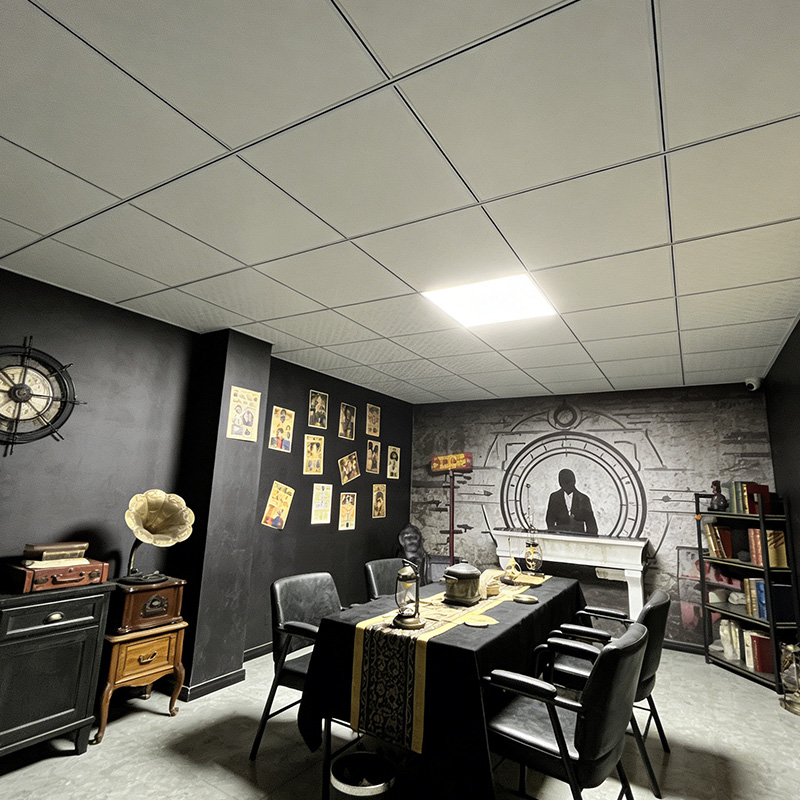
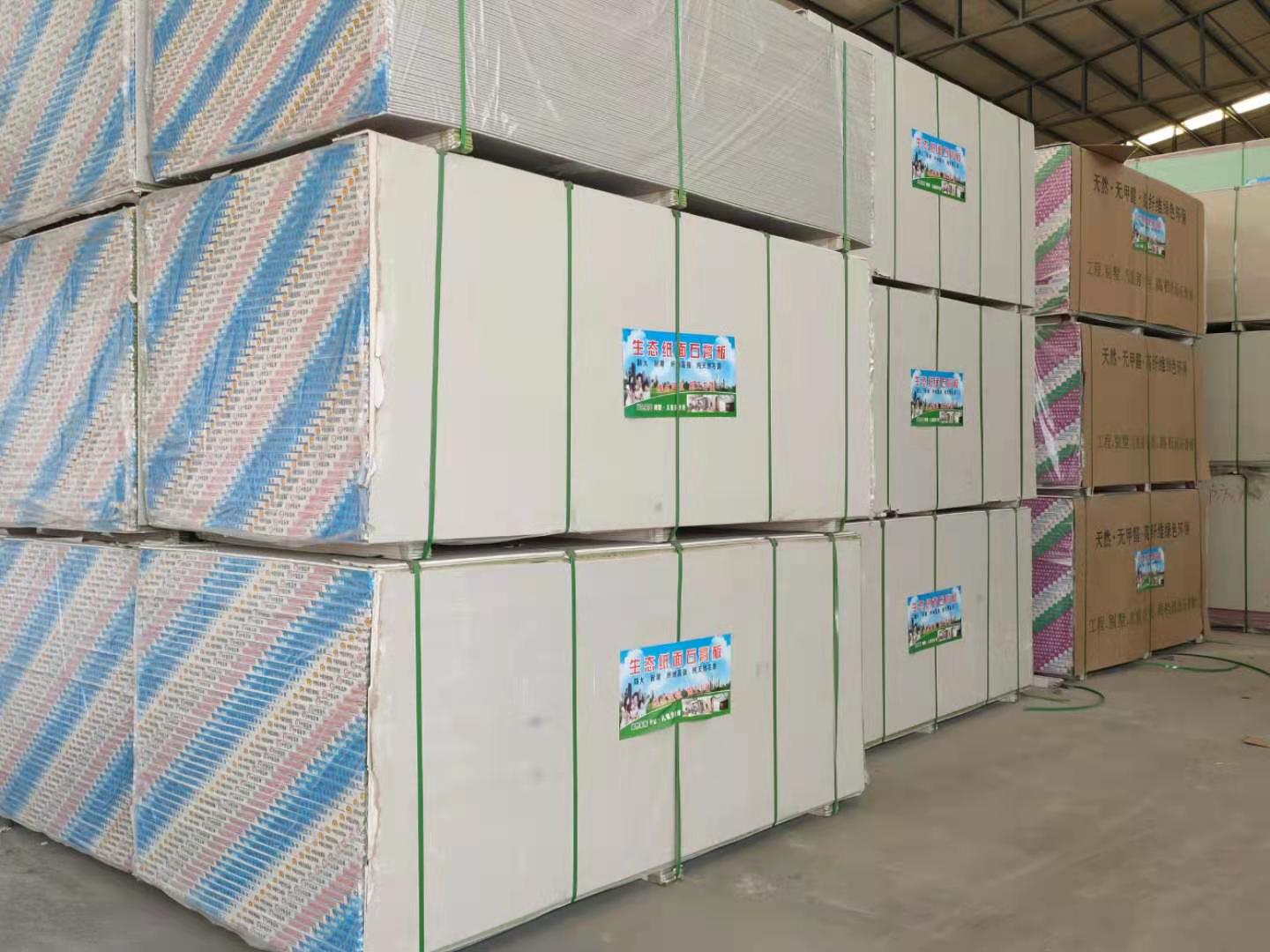
Standard plasterboard represents a fundamental building material that has revolutionized modern construction practices across residential, commercial, and industrial sectors. This engineered panel consists of a gypsum core sandwiched between two layers of heavy paper or fiberglass matting, creating a lightweight yet durable wall and ceiling solution. The manufacturing process involves mixing calcined gypsum with water and additives, then forming it into continuous sheets that are cut to precise dimensions. Standard plasterboard typically measures 12.5mm in thickness, though various thicknesses are available to meet specific structural requirements. The material's primary functions encompass interior wall partitioning, ceiling installation, and fire-resistant barrier creation. Its technological features include excellent dimensional stability, consistent quality control, and predictable performance characteristics. The paper facing provides a smooth surface that accepts paint, wallpaper, and other decorative finishes without additional preparation. Standard plasterboard exhibits superior workability, allowing contractors to cut, score, and install panels efficiently using conventional tools. The material's cellular gypsum core offers natural fire resistance properties, contributing to building safety standards. Its thermal and acoustic insulation properties enhance occupant comfort while reducing energy consumption. Standard plasterboard applications span from simple room dividers to complex architectural features, including curved walls and decorative ceiling designs. The material integrates seamlessly with modern construction techniques, supporting mechanical systems integration and accommodating electrical installations. Quality standard plasterboard meets stringent industry specifications for moisture resistance, impact resistance, and environmental sustainability. Its recyclable nature aligns with green building initiatives, making it an environmentally responsible choice for contemporary construction projects.

Popular Products

Standard plasterboard delivers exceptional cost-effectiveness compared to traditional construction materials like brick, concrete block, or wood paneling. Property owners save substantially on both material costs and labor expenses since installation requires minimal specialized skills and standard carpentry tools. The lightweight nature of standard plasterboard reduces structural load requirements, potentially lowering foundation and framing costs for new construction projects. Installation speed represents another significant advantage, as experienced contractors can cover large areas quickly, reducing project timelines and associated labor costs. Standard plasterboard provides superior surface quality straight from installation, eliminating the need for extensive preparation work before applying finishes. The material accepts paint, texture applications, and decorative treatments uniformly, ensuring professional results regardless of skill level. Maintenance requirements remain minimal throughout the material's lifespan, as damaged sections can be easily repaired or replaced without affecting surrounding areas. Standard plasterboard offers excellent dimensional stability, resisting warping, shrinking, and expansion that commonly affects wood-based materials. This stability ensures long-term performance and reduces callback issues for contractors. The material's fire-resistant properties enhance building safety without requiring additional protective treatments or coatings. Standard plasterboard naturally retards flame spread and provides valuable escape time during fire emergencies. Its thermal performance contributes to energy efficiency by providing additional insulation value when combined with proper cavity insulation. Acoustic benefits include sound dampening properties that reduce noise transmission between rooms, creating more comfortable living and working environments. Standard plasterboard supports sustainable construction practices through its recyclable composition and reduced transportation impacts due to widespread availability. The material's consistency and predictable performance characteristics enable accurate project planning and budgeting. Quality control measures ensure each standard plasterboard panel meets exacting specifications for thickness, strength, and surface quality, reducing waste and installation complications.

Tips And Tricks

The Development Of New Building Materials And Products Is A Requirement Of The Sustainable Development Strategy

04

Mar

The Development Of New Building Materials And Products Is A Requirement Of The Sustainable Development Strategy

View More
Industry Rising Star: PVC Gypsum Ceiling Tile Leads Prefabricated Interior Decoration Into the Era of

04

Mar

Industry Rising Star: PVC Gypsum Ceiling Tile Leads Prefabricated Interior Decoration Into the Era of "Move-In Ready"

View More
PVC Gypsum Ceiling Tile: The

04

Mar

PVC Gypsum Ceiling Tile: The "Industrial Revolution" of the Renovation Industry Reshapes the Landscape of a Hundred-Billion-Dollar Wall Market

View More

Get a Free Quote

Our representative will contact you soon.
Email
Name
Company Name
Message
0/1000

standard plasterboard

Superior Fire Safety Performance and Building Code Compliance

Superior Fire Safety Performance and Building Code Compliance

Standard plasterboard stands out as a premier fire-resistant building material that significantly enhances occupant safety and meets stringent building code requirements across residential and commercial applications. The gypsum core contains approximately twenty percent chemically bound water that plays a crucial role in fire protection performance. When exposed to flames or high temperatures, this bound water releases as steam, creating an endothermic reaction that absorbs heat energy and slows fire progression. This natural fire-retardant property provides valuable escape time during emergencies and helps protect structural elements from heat damage. Standard plasterboard achieves impressive fire resistance ratings, typically providing thirty to sixty minutes of fire protection depending on system configuration and installation methods. Building inspectors and fire marshals recognize standard plasterboard as an approved fire-barrier material that helps compartmentalize buildings and prevent rapid fire spread between spaces. The material's performance under fire conditions remains predictable and consistent, unlike some synthetic materials that may release toxic gases or fail catastrophically. Property insurance companies often offer reduced premiums for buildings incorporating standard plasterboard systems due to demonstrated fire safety benefits. The material maintains its structural integrity longer than many alternatives when exposed to fire conditions, preventing sudden collapse that could trap occupants or emergency responders. Standard plasterboard installations create effective fire-rated assemblies when properly detailed with appropriate joint treatments and penetration sealing. Fire testing conducted according to ASTM and UL standards consistently demonstrates the material's reliable performance under controlled laboratory conditions and real-world fire scenarios. Architects and engineers specify standard plasterboard in fire-rated wall and ceiling assemblies to achieve required fire resistance ratings efficiently and cost-effectively. The material's contribution to overall building fire safety extends beyond individual panel performance to include system-level benefits when integrated with proper insulation, framing, and finishing techniques.
Exceptional Versatility and Design Flexibility for Modern Architecture

Exceptional Versatility and Design Flexibility for Modern Architecture

Standard plasterboard offers unmatched versatility that enables architects, designers, and contractors to realize complex architectural visions while maintaining practical construction requirements and budget constraints. The material readily adapts to curved surfaces, angled installations, and irregular geometric shapes that would challenge traditional construction materials like masonry or wood paneling. Skilled installers can create smooth, flowing curves by scoring the back surface of standard plasterboard and gradually bending panels to achieve desired radii. This flexibility supports contemporary architectural trends emphasizing organic shapes and non-linear design elements. Standard plasterboard accommodates various thickness requirements through multiple panel options, allowing designers to optimize wall assembly performance for specific applications. The material's consistent composition and predictable behavior enable precise cutting, shaping, and fitting that supports tight construction tolerances and professional finish quality. Standard plasterboard serves as an excellent substrate for diverse finishing materials including paint, wallpaper, fabric coverings, tile installations, and decorative plasters. Its smooth, uniform surface eliminates the irregularities often found in traditional materials, ensuring consistent appearance across large installations. The material supports mechanical attachment of fixtures, artwork, and equipment through appropriate fastening systems designed for gypsum-based substrates. Standard plasterboard readily accommodates integrated building systems including electrical wiring, plumbing, and HVAC components without compromising structural integrity or fire performance. Penetrations for switches, outlets, and fixtures can be precisely cut using standard tools, then sealed to maintain fire ratings and acoustic performance. The material's workability extends to field modifications and adjustments that inevitably arise during construction, allowing contractors to adapt to changing conditions without material waste or schedule delays. Standard plasterboard supports both concealed and exposed installation techniques, enabling designers to showcase structural elements while maintaining finished surfaces where desired. Quality standard plasterboard maintains consistent performance characteristics across different environmental conditions and installation scenarios.
Outstanding Acoustic Control and Sound Management Solutions

Outstanding Acoustic Control and Sound Management Solutions

Standard plasterboard delivers exceptional acoustic performance that creates comfortable, quiet environments in residential, commercial, and institutional settings where noise control is essential for occupant well-being and productivity. The material's dense gypsum core effectively absorbs and dampens sound transmission, reducing noise levels between adjacent spaces and from external sources. Standard plasterboard installations can achieve significant sound transmission class ratings when properly designed and installed as part of comprehensive acoustic assemblies. The material's mass and density contribute to its sound-blocking capabilities, while its composition helps minimize sound reflection and echo within rooms. Multiple layers of standard plasterboard can be installed to enhance acoustic performance for specialized applications like recording studios, theaters, and medical facilities. The material works synergistically with acoustic insulation materials to create high-performance sound control systems that meet or exceed building code requirements for noise transmission. Standard plasterboard supports various acoustic treatment options including perforated panels, fabric-wrapped systems, and specialized acoustic finishes that further enhance sound absorption. Its smooth surface characteristics minimize sound reflection while providing an excellent base for acoustic paints and treatments. Installation techniques specific to acoustic applications include staggered stud framing, resilient channel systems, and isolation methods that maximize the sound-dampening benefits of standard plasterboard. The material's performance in acoustic applications remains consistent over time, unlike some materials that may lose effectiveness due to settling, moisture absorption, or structural changes. Standard plasterboard contributes to LEED and other green building certification programs through its acoustic performance benefits and sustainable material characteristics. Quality control measures ensure consistent density and composition that support predictable acoustic performance across different production runs and installation conditions. Professional acoustic consultants frequently specify standard plasterboard systems for challenging noise control applications because of proven field performance and reliable test data supporting acoustic design calculations.