impact resistant gypsum board
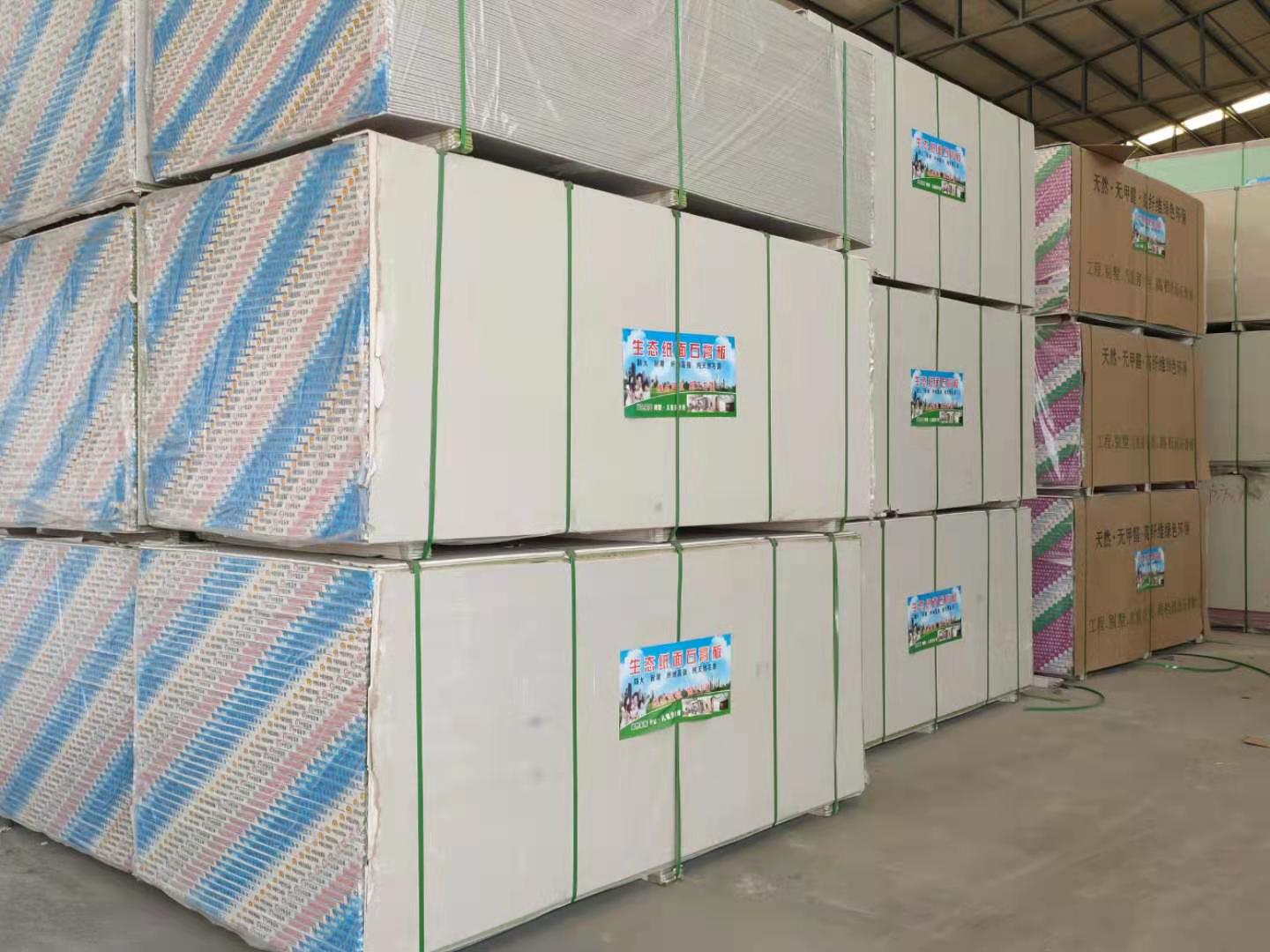
Impact resistant gypsum board represents an advanced wall finishing solution engineered to withstand physical damage and impacts better than standard drywall. This specialized building material combines traditional gypsum core technology with reinforced face papers and impact-absorbing additives, creating a product designed for high-traffic environments and demanding applications.
The main functions of impact resistant gypsum board include protecting walls from dents, cracks, and punctures caused by everyday wear and tear, equipment movement, and accidental collisions. Unlike conventional drywall that easily damages, impact resistant gypsum board maintains surface integrity in busy facilities where durability matters significantly.
Technologically, impact resistant gypsum board features a specially formulated gypsum core with enhanced density and reinforced fiberglass mesh layers. These components work together to distribute impact forces across a wider area, preventing localized damage. The face paper uses thicker, more resilient materials that resist tearing and scuffing. Many formulations include moisture-resistant properties, making impact resistant gypsum board suitable for various indoor environments.
Applications for impact resistant gypsum board span hospitals, schools, offices, retail spaces, warehouses, and residential properties. Hallways, stairwells, mechanical rooms, and areas near doors benefit significantly from this material's protective qualities. Installation follows standard drywall procedures, allowing contractors to work efficiently without requiring specialized equipment. Impact resistant gypsum board delivers superior long-term performance in locations where traditional drywall would require frequent repairs and maintenance.
 EN
EN