 EN
EN


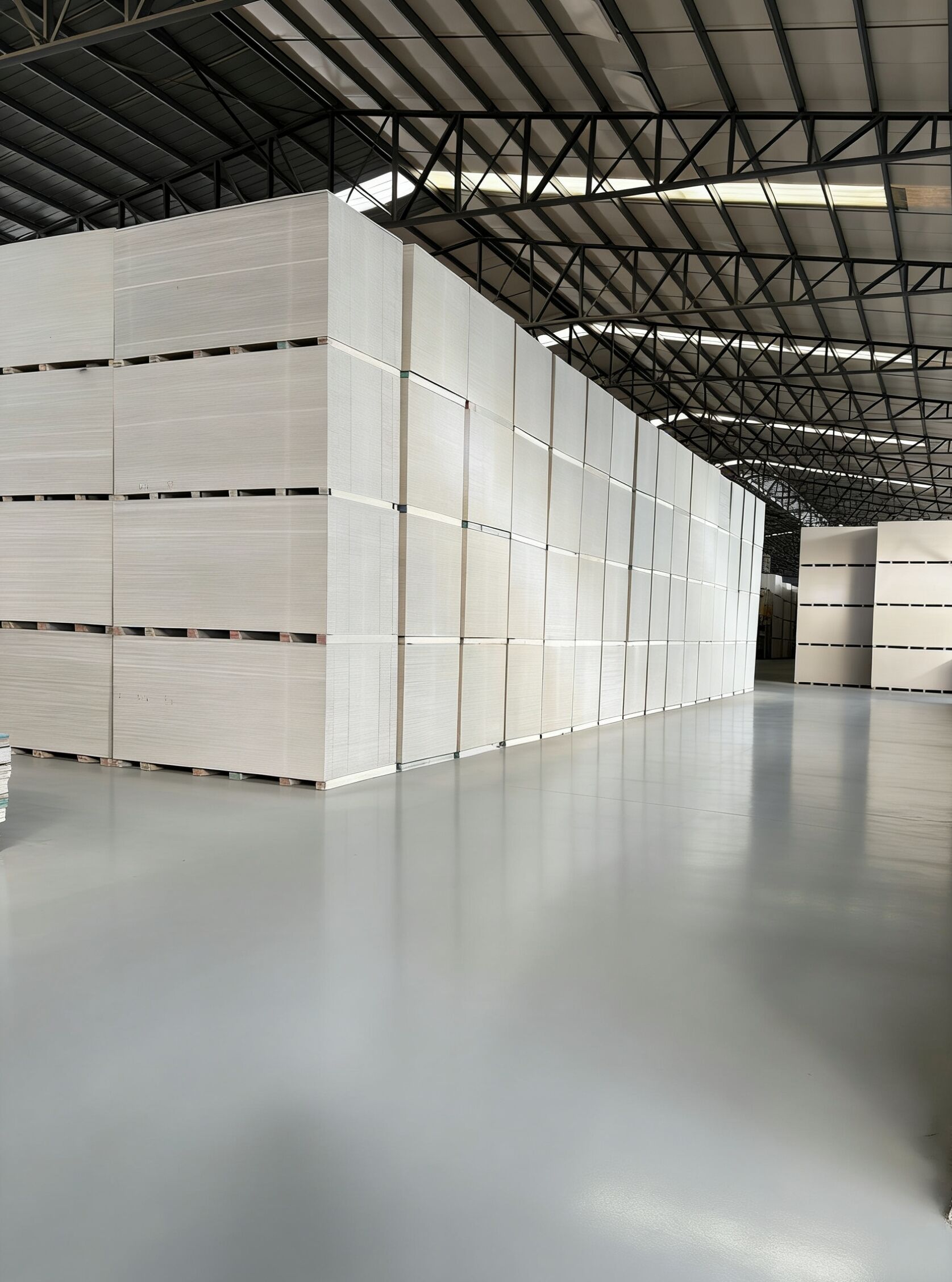
Modern construction projects demand materials that combine performance, versatility, and cost-effectiveness, making gypsum board the preferred choice for interior walls and ceilings across residential and commercial applications. This engineered material offers superior fire resistance, sound insulation, and workability compared to traditional building materials, addressing the complex requirements of contemporary architectural design. Understanding why gypsum board has become the industry standard reveals the strategic advantages that drive its widespread adoption in modern construction projects.
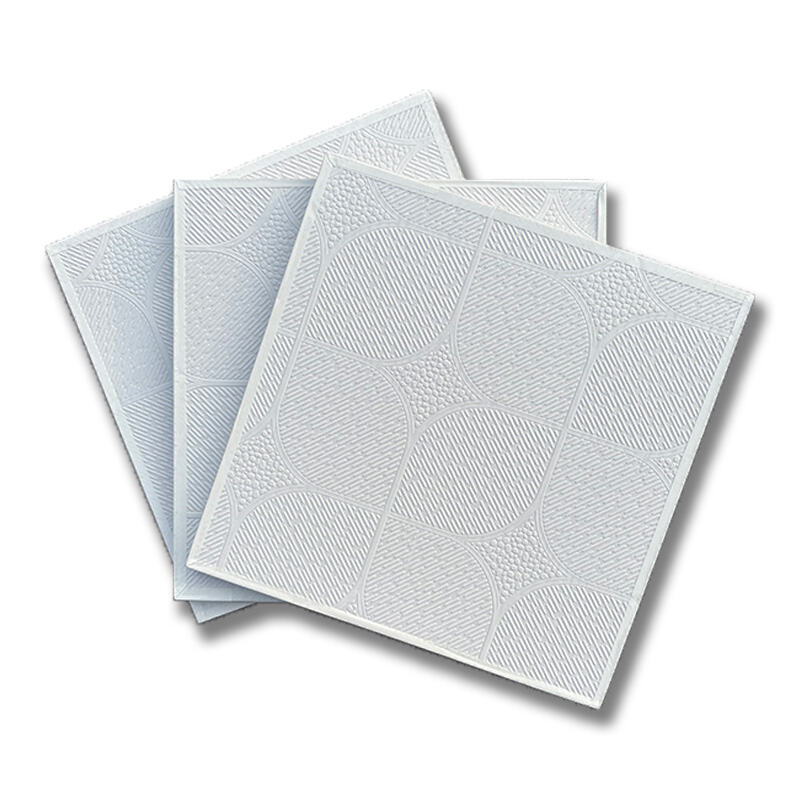
The decision to select gypsum board for interior construction stems from its unique combination of practical benefits that directly address modern building challenges. From enhanced safety features to simplified installation processes, gypsum board delivers measurable value that justifies its position as the material of choice for architects, contractors, and building owners seeking reliable performance in diverse interior environments.
Superior Fire Safety Performance
Inherent Fire Resistance Properties
Gypsum board provides exceptional fire resistance due to its unique chemical composition, containing approximately 20% chemically bound water that releases as steam when exposed to high temperatures. This natural fire-retardant property creates a protective barrier that slows fire spread and maintains structural integrity during critical evacuation periods. The calcium sulfate dihydrate core effectively absorbs heat energy, preventing rapid temperature rise on the unexposed side of walls and ceilings.
Professional fire testing demonstrates that gypsum board assemblies can achieve fire ratings from 30 minutes to several hours, depending on thickness and construction details. These tested assemblies meet or exceed building code requirements across various occupancy classifications, providing documented safety performance that insurance providers and regulatory authorities recognize. The consistent fire performance of gypsum board eliminates guesswork in fire-rated construction design.
Compliance with Building Safety Standards
Modern building codes specifically reference gypsum board assemblies for fire-rated construction, simplifying the approval process for architects and contractors. The extensive testing database for gypsum board systems provides pre-approved solutions that eliminate the need for custom fire testing in most applications. This regulatory acceptance reduces project risk and accelerates permitting timelines.
The predictable fire performance of gypsum board enables architects to design fire-rated assemblies with confidence, knowing that the material will perform as specified under emergency conditions. This reliability factor becomes particularly important in high-occupancy buildings where fire safety directly impacts life safety and property protection objectives.
Exceptional Acoustic Control Benefits
Sound Transmission Reduction
Gypsum board significantly reduces sound transmission between spaces through its dense core material and ability to dampen vibrations effectively. The calcium sulfate structure absorbs sound energy while preventing noise transfer through wall and ceiling assemblies, creating quieter interior environments. Professional acoustic testing shows that gypsum board assemblies can achieve Sound Transmission Class ratings ranging from STC 35 to over STC 60, depending on system design.
The acoustic performance of gypsum board becomes particularly valuable in commercial applications where privacy and noise control directly impact productivity and occupant satisfaction. Multi-family residential projects benefit from the sound isolation that gypsum board provides between units, meeting building code requirements for acoustic separation while maintaining cost-effective construction methods.
Impact Sound Insulation
Beyond airborne sound control, gypsum board contributes to impact sound insulation when used in ceiling assemblies beneath occupied floors. The material's vibration-damping properties reduce the transmission of footsteps, dropped objects, and other impact sounds that can disturb occupants below. This dual acoustic function makes gypsum board an essential component in comprehensive noise control strategies.
The combination of airborne and impact sound control in a single material simplifies acoustic design while delivering measurable performance improvements. Building owners appreciate the enhanced tenant satisfaction that results from effective sound control, leading to higher occupancy rates and reduced tenant complaints in both residential and commercial properties.
Installation Efficiency and Versatility
Streamlined Construction Process
Gypsum board installation requires fewer specialized tools and skills compared to alternative wall and ceiling materials, enabling faster project completion with standard construction crews. The standardized 4-foot by 8-foot, 10-foot, and 12-foot panel sizes allow efficient coverage of large areas while minimizing waste and reducing material handling time. Professional installers can achieve consistent quality results using conventional fastening methods and joint treatment systems.
The lightweight nature of gypsum board reduces structural loading requirements while simplifying manual handling during installation. Standard panels weigh approximately 2.2 pounds per square foot, allowing workers to manage installation efficiently without heavy lifting equipment. This weight advantage translates to reduced labor costs and faster project schedules.
Adaptability to Design Requirements
Modern gypsum board products accommodate diverse architectural requirements through specialized formulations and surface treatments. Moisture-resistant variants perform reliably in high-humidity environments, while impact-resistant types withstand heavy use in commercial and institutional applications. The availability of different thicknesses allows designers to optimize performance characteristics for specific project requirements.
The smooth, uniform surface of gypsum board accepts virtually any interior finish, from paint and wallpaper to textured coatings and decorative treatments. This finish flexibility enables architects to achieve desired aesthetic outcomes without compromising the underlying performance benefits that gypsum board provides. The consistent surface quality eliminates preparation steps required with many alternative materials.
Long-term Performance and Durability
Dimensional Stability
Gypsum board maintains dimensional stability under normal service conditions, preventing the warping, shrinking, or expansion that can compromise interior finishes over time. The calcium sulfate core resists moisture-induced dimensional changes when properly installed and protected from direct water exposure. This stability ensures that paint, wallpaper, and other finishes remain intact throughout the building's service life.
The consistent performance of gypsum board reduces maintenance requirements and extends the interval between major renovation cycles. Building owners benefit from reduced lifecycle costs as the stable substrate prevents finish failures that require costly repairs or replacements. Professional property managers recognize gypsum board as a low-maintenance solution that preserves interior appearance with minimal intervention.
Resistance to Environmental Factors
Properly selected gypsum board formulations resist common environmental challenges including temperature fluctuations, humidity variations, and normal building movement. Moisture-resistant gypsum board contains additives that repel water while maintaining structural integrity in high-humidity applications such as bathrooms and commercial kitchens. The material's resistance to mold and mildew growth contributes to healthy indoor air quality.
The chemical inertness of gypsum board prevents degradation from exposure to common cleaning chemicals and interior pollutants, maintaining performance characteristics throughout extended service periods. This environmental resistance ensures that fire ratings, acoustic properties, and structural performance remain consistent over decades of building operation.
Cost-Effectiveness and Economic Value
Initial Cost Advantages
Gypsum board delivers superior value through competitive material costs combined with efficient installation methods that reduce labor expenses. The standardized manufacturing process enables consistent quality control while maintaining affordable pricing that fits diverse project budgets. Bulk purchasing opportunities and widespread availability further reduce material costs for larger construction projects.
The speed of gypsum board installation translates directly to reduced construction schedules, allowing building owners to achieve earlier occupancy and revenue generation. Professional contractors appreciate the predictable installation rates that enable accurate project scheduling and resource allocation. The reduced construction time often offsets any material cost differences compared to alternative systems.
Lifecycle Cost Benefits
The durability and low maintenance requirements of gypsum board contribute to favorable lifecycle cost analysis compared to alternative interior materials. The material's resistance to normal wear and ability to accept refinishing without substrate replacement extends the useful life of interior spaces. Building owners avoid the expense of premature replacement that affects less durable materials.
The energy efficiency benefits of gypsum board assemblies, particularly when combined with insulation systems, contribute to reduced operating costs throughout the building's service life. The thermal mass effect of gypsum board helps moderate interior temperature fluctuations, reducing HVAC energy consumption while maintaining occupant comfort levels.
FAQ
How does gypsum board compare to traditional plaster for interior walls?
Gypsum board offers significant advantages over traditional plaster including faster installation, consistent quality, and lower labor costs. While plaster requires skilled craftsmen and extended curing time, gypsum board installation proceeds quickly with standard construction crews, reducing project schedules and minimizing weather-related delays. The factory-controlled manufacturing of gypsum board ensures uniform thickness and surface quality that eliminates the variability associated with field-applied plaster systems.
Can gypsum board be used in high-moisture environments like bathrooms?
Moisture-resistant gypsum board formulations are specifically designed for high-humidity applications including bathrooms, kitchens, and laundry areas. These specialized products incorporate water-repellent additives and moisture-resistant core materials that maintain structural integrity under elevated humidity conditions. Proper installation with appropriate vapor barriers and ventilation systems ensures long-term performance in moisture-prone environments while maintaining fire resistance and acoustic properties.
What thickness of gypsum board should be used for commercial applications?
Commercial applications typically require 5/8-inch thick gypsum board to achieve necessary fire ratings and impact resistance for high-traffic environments. The increased thickness provides enhanced durability against normal wear while meeting building code requirements for fire-rated construction. Specialized high-impact formulations may be specified for areas subject to heavy use such as corridors, stairwells, and institutional facilities where durability is paramount.
How long does gypsum board maintain its performance characteristics?
Properly installed gypsum board maintains its fire resistance, acoustic properties, and structural performance for decades under normal service conditions. The calcium sulfate core does not degrade over time, ensuring that safety and performance characteristics remain consistent throughout the building's service life. Regular inspection and maintenance of joint sealants and finishes help preserve the long-term integrity of gypsum board assemblies while protecting the underlying performance benefits.