 EN
EN


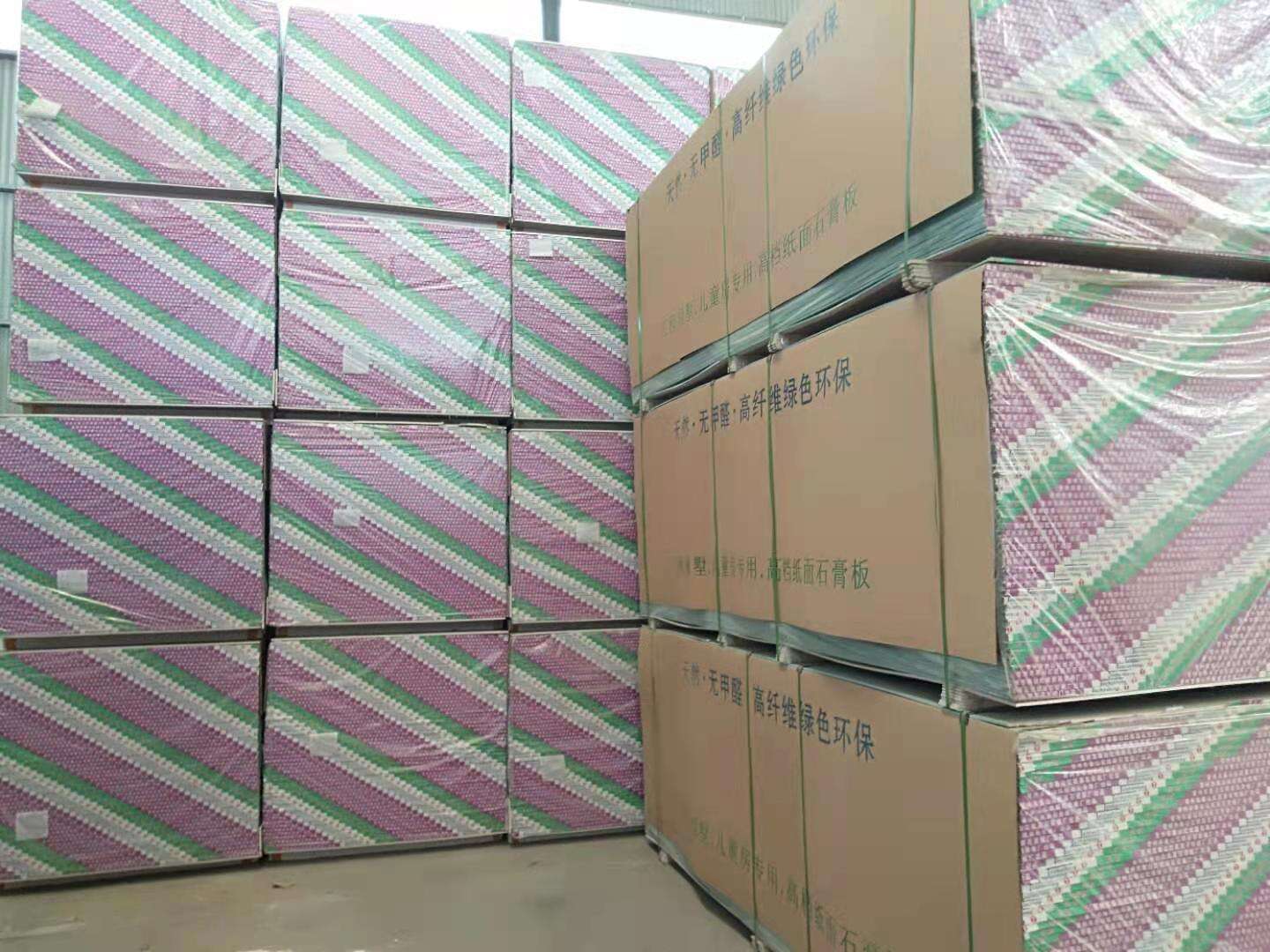
Selecting the right thickness of gypsum board for your construction project is a critical decision that directly impacts performance, durability, and cost-effectiveness. The thickness of gypsum board determines its structural integrity, fire resistance, sound insulation properties, and suitability for specific applications. Whether you're working on residential walls, commercial ceilings, or specialized installations, understanding how different thicknesses perform in various scenarios will ensure optimal project outcomes and long-term satisfaction.
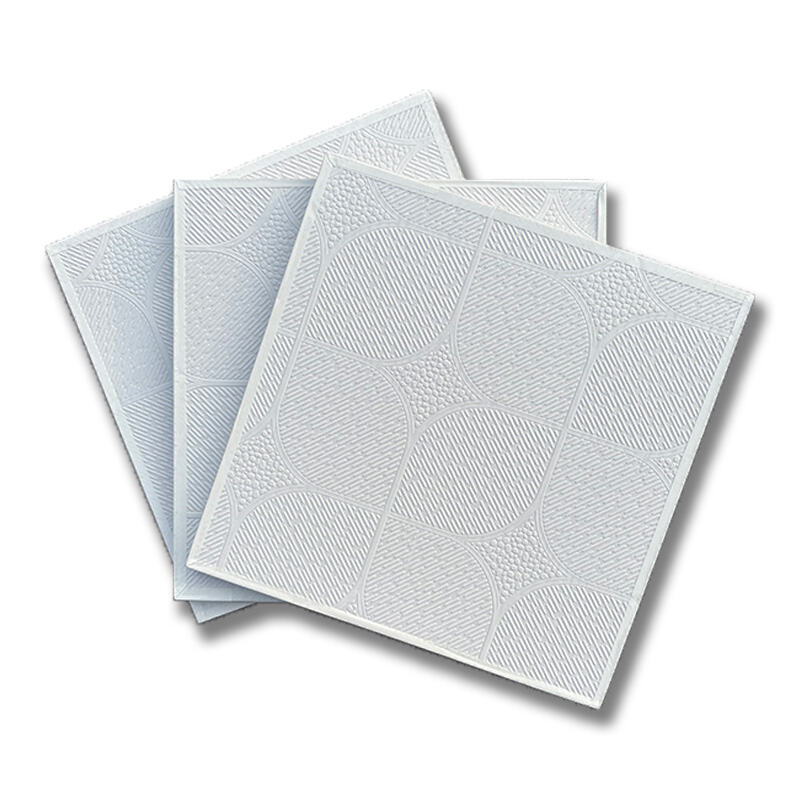
The process of choosing appropriate gypsum board thickness involves evaluating multiple factors including load requirements, environmental conditions, building codes, and aesthetic goals. Different thicknesses offer distinct advantages and limitations that must be carefully matched to your specific application requirements. This comprehensive guide will walk you through the systematic approach to making informed thickness selections that balance performance needs with budget considerations while ensuring compliance with industry standards and building regulations.
Understanding Gypsum Board Thickness Standards and Applications
Common Thickness Options and Their Characteristics
Standard gypsum board thickness options typically range from 1/4 inch to 5/8 inch, with each thickness designed for specific applications and performance requirements. The 1/4 inch thickness is primarily used for curved surfaces and repair applications where minimal weight addition is crucial. This ultra-thin gypsum board offers flexibility for creating smooth curves but provides limited structural support and sound insulation properties.
The 3/8 inch gypsum board serves as an economical solution for standard wall applications where moderate durability is sufficient. This thickness provides adequate support for typical residential and light commercial installations while maintaining cost-effectiveness. However, it may not meet requirements for high-traffic areas or applications demanding superior fire resistance and sound control.
Half-inch gypsum board represents the most commonly used thickness in residential construction, offering an optimal balance between performance and cost. This thickness provides good structural integrity, reasonable fire resistance, and acceptable sound dampening properties for most standard wall and ceiling applications. The 5/8 inch option delivers enhanced performance characteristics including superior fire resistance, improved sound insulation, and greater structural strength for demanding commercial applications.
Performance Characteristics by Thickness
Thicker gypsum board generally provides better structural performance, with increased resistance to sagging, cracking, and impact damage. The relationship between thickness and structural integrity follows predictable patterns, where each thickness increase significantly enhances the board's ability to maintain dimensional stability under various loading conditions. This improved structural performance translates to longer service life and reduced maintenance requirements.
Fire resistance ratings improve substantially with increased gypsum board thickness, as the additional material provides longer protection periods during fire exposure. Thicker boards contain more gypsum, which releases water vapor when heated, effectively cooling the protected surface and slowing fire spread. Building codes often specify minimum thickness requirements based on desired fire resistance ratings and occupancy classifications.
Sound transmission control also improves with thickness, as denser gypsum board provides better sound dampening properties. The mass law principle dictates that heavier materials typically provide superior sound insulation, making thicker gypsum board more effective at reducing noise transmission between spaces. This acoustic performance consideration becomes particularly important in multi-family residential buildings, offices, and healthcare facilities where sound privacy is essential.
Project-Specific Requirements and Evaluation Criteria
Structural Load and Support Considerations
Evaluating the structural requirements of your gypsum board installation begins with understanding the expected loads and support conditions. Wall applications typically require different thickness considerations than ceiling installations, as gravity loads and spanning requirements vary significantly. Ceiling applications generally demand thicker gypsum board to prevent sagging between framing members, especially in installations with wider stud or joist spacing.
The spacing of structural framing members directly influences appropriate gypsum board thickness selection. Standard 16-inch on-center framing can typically support 1/2 inch gypsum board effectively, while 24-inch spacing may require 5/8 inch thickness to prevent deflection and maintain long-term stability. Understanding these relationships helps ensure proper performance and prevents issues such as joint cracking, nail pops, and surface irregularities.
Impact resistance requirements also influence thickness selection, particularly in high-traffic areas, commercial applications, and locations prone to mechanical damage. Thicker gypsum board provides better resistance to dents, holes, and other damage from normal use and accidental impact. This durability consideration becomes especially important in schools, hospitals, retail spaces, and other environments where wall protection is a priority.
Environmental and Code Requirements
Building code requirements often specify minimum gypsum board thickness based on occupancy type, fire resistance ratings, and structural applications. These codes establish baseline thickness requirements that cannot be compromised regardless of other project considerations. Understanding applicable codes early in the selection process prevents costly changes and ensures compliance with local regulations and safety standards.
Environmental conditions including humidity, temperature fluctuations, and exposure to moisture influence appropriate thickness selection for optimal performance. High-humidity environments may benefit from thicker gypsum board that provides better dimensional stability and resistance to warping or deterioration. Similarly, locations subject to temperature cycling may require increased thickness to accommodate expansion and contraction stresses without cracking or joint failure.
Fire resistance requirements often drive thickness selection in commercial and institutional applications where specific fire ratings must be achieved. Different gypsum board thicknesses contribute to different fire resistance assemblies, with thicker boards generally providing longer protection periods. Understanding the relationship between thickness and fire performance helps ensure appropriate selection for meeting required fire ratings while avoiding over-specification and unnecessary costs.
Cost-Benefit Analysis and Selection Strategy
Material and Installation Cost Considerations
The relationship between gypsum board thickness and total project cost involves both material costs and installation considerations that affect overall budget planning. While thicker boards typically cost more per square foot, the difference in material cost may be offset by improved performance, reduced maintenance, and longer service life. Conducting a comprehensive cost analysis helps identify the most economical thickness selection for long-term project success.
Installation costs can vary with thickness selection, as heavier boards may require additional labor, specialized handling equipment, or modified installation techniques. Thicker gypsum board may also require longer screws, different adhesives, or reinforced support systems that add to overall installation costs. However, these additional costs must be weighed against the benefits of improved performance and reduced callback potential.
Long-term maintenance and replacement considerations favor thicker gypsum board in many applications, as improved durability reduces repair frequency and extends service life. The initial cost premium for thicker boards often proves economical when evaluated over the complete building lifecycle, particularly in high-use applications where damage repair costs can be significant.
Performance Optimization and Value Engineering
Value engineering principles applied to gypsum board thickness selection involve optimizing performance characteristics against project requirements and budget constraints. This systematic approach identifies the minimum thickness that meets all performance requirements while avoiding over-specification that adds unnecessary cost. The goal is achieving required performance at the lowest total cost of ownership.
Different areas within the same project may benefit from varied thickness selection based on specific performance requirements and usage patterns. High-traffic corridors might require thicker gypsum board for impact resistance, while low-use storage areas could utilize standard thickness without compromising performance. This selective approach optimizes material usage while maintaining appropriate performance levels throughout the facility.
Future modification and renovation considerations also influence optimal thickness selection, as thicker gypsum board provides better substrate for future finish changes, fixture mounting, and system modifications. The additional thickness provides more material for screw retention and better support for heavy fixtures or equipment that might be added during building renovations or tenant improvements.
Installation and Quality Control Factors
Handling and Installation Techniques
Different gypsum board thicknesses require specific handling and installation techniques to achieve optimal results and prevent damage during construction. Thicker boards are heavier and may require mechanical lifting equipment or additional personnel for safe and efficient installation. Understanding these requirements during planning prevents delays and ensures worker safety during the installation process.
Fastener selection and spacing requirements vary with gypsum board thickness, as proper attachment is crucial for long-term performance and code compliance. Thicker boards may require longer screws, different screw types, or modified fastening patterns to achieve adequate holding power and prevent fastener failure. Following manufacturer recommendations for fastener selection ensures proper attachment and prevents issues such as screw pop-out or inadequate support.
Joint treatment techniques may also vary with thickness selection, as thicker boards can affect joint compound application, tape embedding, and finishing procedures. Proper joint treatment becomes more critical with thicker gypsum board, as increased board thickness can create more pronounced joint ridges if not properly finished. Understanding these finishing requirements helps ensure smooth, professional-quality results regardless of thickness selection.
Quality Assurance and Performance Monitoring
Quality control procedures should verify that selected gypsum board thickness meets project specifications and performance requirements throughout the installation process. This includes verifying actual board thickness, checking for damage or defects, and ensuring proper installation techniques are followed. Consistent quality control prevents performance issues and ensures the selected thickness delivers expected benefits.
Post-installation monitoring of gypsum board performance helps validate thickness selection and identify any issues that might indicate inadequate specification. Observing the installation for signs of deflection, cracking, or other performance problems provides valuable feedback for future thickness selection decisions and helps optimize specifications for similar applications.
Documentation of thickness selection rationale and performance outcomes creates valuable reference information for future projects and helps refine selection criteria based on real-world experience. This documentation process supports continuous improvement in gypsum board specification and helps develop project-specific selection guidelines that improve efficiency and performance consistency.
FAQ
What is the most common gypsum board thickness for residential walls?
Half-inch gypsum board is the most commonly used thickness for residential wall applications, providing an optimal balance of structural performance, cost-effectiveness, and ease of installation. This thickness offers adequate strength for standard residential loads, reasonable fire resistance, and good workability for most home construction projects while maintaining competitive pricing.
How does gypsum board thickness affect fire resistance ratings?
Thicker gypsum board generally provides better fire resistance due to increased mass of fire-retardant gypsum material. The 5/8 inch thickness typically achieves higher fire resistance ratings than 1/2 inch boards when used in identical wall assemblies. Building codes often specify minimum thickness requirements based on desired fire resistance ratings and occupancy classifications.
Can I use thinner gypsum board to reduce project costs?
While thinner gypsum board costs less initially, reducing thickness below recommended levels can result in performance problems, code violations, and higher long-term costs due to repairs and maintenance. The key is selecting the minimum thickness that meets all performance requirements rather than simply choosing the cheapest option available.
What thickness should I choose for ceiling applications?
Ceiling applications typically require 5/8 inch gypsum board to prevent sagging between framing members, especially with standard 24-inch joist spacing. The increased thickness provides necessary structural support against gravity loads and helps maintain flat, stable ceiling surfaces over time. Some applications with closer framing spacing may accommodate 1/2 inch thickness, but 5/8 inch offers superior long-term performance.