 EN
EN


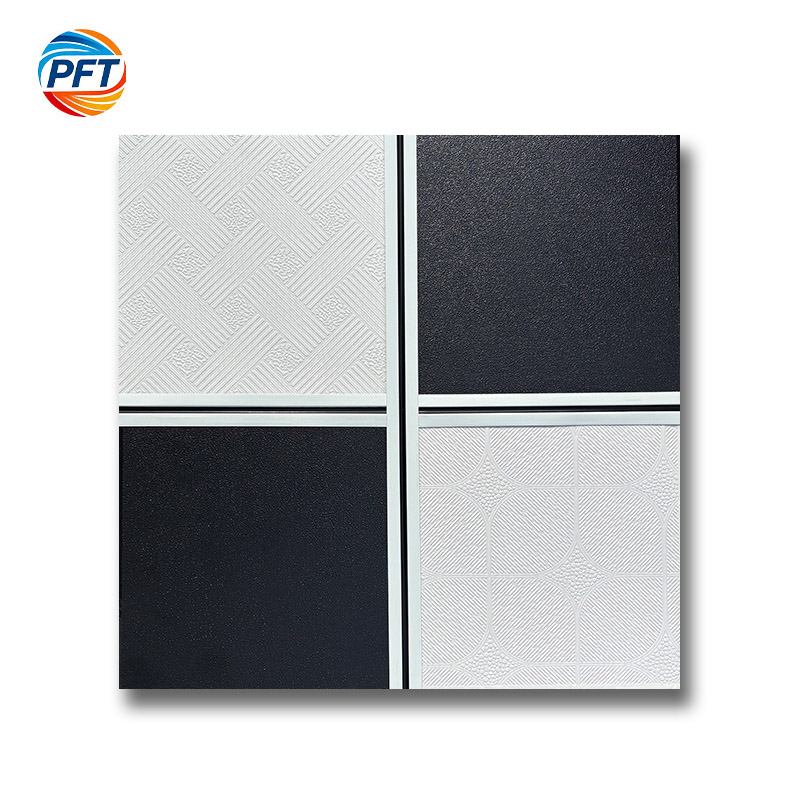
Sound control in commercial and residential spaces has become increasingly critical as open-plan designs and multi-use environments create acoustic challenges that traditional building materials cannot address effectively. The selection of appropriate acoustic ceiling materials represents one of the most impactful decisions property owners and designers can make to transform noisy, echo-prone spaces into comfortable, functional environments where occupants can work, learn, and relax without auditory distractions.

Modern ceiling materials designed specifically for acoustic control offer sophisticated solutions that combine sound absorption, noise reduction, and aesthetic appeal in ways that conventional drywall or plaster surfaces simply cannot match. These specialized materials work by controlling reverberation times, reducing sound transmission between spaces, and creating more pleasant acoustic environments that enhance productivity, concentration, and overall occupant satisfaction across various building types and applications.
Understanding Acoustic Performance in Ceiling Materials
Sound Absorption Principles
Acoustic ceiling materials achieve superior sound control through their ability to absorb sound waves rather than reflecting them back into the occupied space. This absorption occurs when sound energy enters the porous structure of the material and is converted to small amounts of heat through friction as air molecules move through the material's internal pathways. The effectiveness of this process depends heavily on the material's porosity, fiber density, and surface texture characteristics.
The Noise Reduction Coefficient (NRC) serves as the primary measurement for evaluating how well ceiling materials absorb sound across different frequency ranges. Materials with higher NRC ratings, typically ranging from 0.50 to 0.95, provide significantly better acoustic performance than standard building materials, which often have NRC ratings below 0.10. Professional acoustic engineers specify ceiling materials based on these ratings to ensure optimal performance for specific applications and space requirements.
Frequency Response Characteristics
Different ceiling materials exhibit varying absorption capabilities across the audible frequency spectrum, making material selection critical for addressing specific acoustic challenges. Low-frequency sounds, such as HVAC noise and traffic rumble, require materials with different absorption characteristics than high-frequency sounds like speech and equipment operation. Understanding these frequency-dependent properties helps designers select ceiling materials that target the most problematic sound issues in each unique environment.
Mineral wool and fiberglass-based ceiling materials typically provide excellent absorption across mid to high frequencies while offering moderate performance in lower frequency ranges. This frequency response profile makes these materials particularly effective for controlling speech intelligibility issues and reducing the harsh reflective qualities that make spaces feel acoustically uncomfortable or fatiguing for occupants.
Types of Acoustic Ceiling Materials and Their Applications
Mineral Wool Ceiling Systems
Mineral wool ceiling materials represent one of the most widely specified acoustic solutions due to their exceptional sound absorption properties, fire resistance, and dimensional stability. These materials are manufactured from recycled slag or rock that is melted and spun into fine fibers, creating a dense, porous structure that effectively traps sound waves while maintaining structural integrity over extended periods of use.
The manufacturing process for mineral wool ceiling materials allows for precise control over fiber density and porosity, enabling manufacturers to optimize acoustic performance for specific applications. These materials typically achieve NRC ratings between 0.70 and 0.85, making them suitable for demanding acoustic environments such as open offices, educational facilities, healthcare settings, and conference rooms where speech clarity and noise control are paramount.
Fiberglass Acoustic Panels
Fiberglass-based ceiling materials offer excellent acoustic performance combined with lightweight characteristics that simplify installation and reduce structural load requirements. The fibrous structure of these materials creates numerous air pockets that effectively absorb sound energy while providing consistent performance across varying environmental conditions. Advanced manufacturing techniques allow for the production of fiberglass ceiling materials with specialized surface treatments that enhance both acoustic and aesthetic properties.
Modern fiberglass ceiling materials often incorporate recycled content and low-emission manufacturing processes, making them suitable for projects pursuing green building certifications. The combination of acoustic performance, environmental responsibility, and cost-effectiveness has made fiberglass-based solutions increasingly popular for large-scale commercial installations where budget considerations must be balanced with performance requirements.
Installation Considerations for Optimal Acoustic Performance
Grid System Selection and Layout
The suspended ceiling grid system plays a crucial role in maximizing the acoustic benefits of specialized ceiling materials. Heavy-duty grid systems with vibration-dampening properties help prevent sound transmission through the ceiling structure while providing secure support for acoustic panels. The grid layout must account for lighting fixtures, HVAC components, and other penetrations to maintain continuous acoustic coverage across the entire ceiling surface.
Proper grid installation requires attention to connection details, hanger spacing, and edge conditions to prevent acoustic flanking paths that can compromise the performance of even the highest-quality ceiling materials. Professional installers understand the importance of sealing penetrations and maintaining consistent panel contact with the grid system to ensure optimal acoustic performance throughout the completed installation.
Integration with Building Systems
Successful acoustic ceiling installations require careful coordination with lighting, HVAC, and fire protection systems to maintain both acoustic performance and building functionality. Ceiling materials must accommodate necessary penetrations while minimizing disruption to the continuous acoustic surface. Specialized acoustic panels with pre-cut openings or removable sections allow for system integration without compromising sound absorption capabilities.
The plenum space above acoustic ceiling materials requires consideration of sound transmission paths and potential noise sources. HVAC ductwork, electrical conduits, and plumbing systems in the plenum can generate noise that undermines the benefits of high-performance ceiling materials if not properly addressed during design and installation phases.
Performance Benefits and Space Transformation
Speech Intelligibility Enhancement
High-quality acoustic ceiling materials dramatically improve speech intelligibility by reducing reverberation times and controlling background noise levels that interfere with clear communication. In educational environments, this improvement in acoustic conditions has been directly linked to enhanced learning outcomes and reduced teacher fatigue. Similarly, office environments with properly specified ceiling materials experience improved collaboration effectiveness and reduced stress levels among occupants.
The transformation in speech clarity achieved through acoustic ceiling materials becomes particularly noticeable in large, hard-surfaced spaces where traditional materials create excessive reverberation. By controlling these acoustic reflections, specialized ceiling materials create more intimate acoustic environments that support natural conversation levels and reduce the need for occupants to raise their voices to be understood clearly.
Productivity and Comfort Improvements
Research consistently demonstrates that improved acoustic environments created through appropriate ceiling materials selection lead to measurable increases in occupant productivity, concentration, and overall satisfaction. The reduction in distracting noise reflections and improved sound quality create environments where occupants can focus more effectively on tasks requiring mental concentration while experiencing less fatigue throughout the workday.
Healthcare facilities particularly benefit from acoustic ceiling materials that create calming environments conducive to patient recovery while supporting effective communication between medical staff. The sound control provided by these specialized materials contributes to reduced stress levels for both patients and healthcare workers, supporting better health outcomes and improved workplace satisfaction.
Maintenance and Long-Term Performance
Durability and Lifecycle Considerations
Modern acoustic ceiling materials are engineered for long-term performance with minimal maintenance requirements over their intended service life. High-quality materials resist sagging, discoloration, and acoustic degradation even in challenging environmental conditions. The initial investment in premium ceiling materials typically provides superior value over time compared to lower-cost alternatives that may require frequent replacement or maintenance.
Proper material selection based on specific environmental conditions ensures optimal long-term performance. Humidity-resistant ceiling materials perform reliably in high-moisture environments, while materials with enhanced cleanability characteristics maintain acoustic performance and appearance in healthcare or food service applications where hygiene requirements are stringent.
Replacement and Upgrade Considerations
Suspended ceiling systems using acoustic panels allow for selective replacement or upgrade of individual components without disrupting entire installations. This flexibility enables facility managers to address localized damage or performance issues while maintaining overall acoustic performance. Additionally, technological advances in ceiling materials can be incorporated through partial upgrades rather than complete system replacement.
The modular nature of most acoustic ceiling materials facilitates access to above-ceiling building systems for maintenance or modifications while preserving acoustic performance. Individual panels can be removed and reinstalled without compromising the acoustic properties of adjacent areas, making these systems particularly suitable for facilities with evolving technology or infrastructure requirements.
FAQ
What NRC rating should I look for in acoustic ceiling materials?
For most commercial applications, ceiling materials with NRC ratings between 0.70 and 0.85 provide excellent acoustic performance. Educational facilities and conference rooms often benefit from materials at the higher end of this range, while general office spaces may perform well with materials in the 0.65 to 0.75 range. Higher NRC ratings indicate better sound absorption, but the specific rating needed depends on the space's intended use and existing acoustic conditions.
How do acoustic ceiling materials compare to traditional drywall ceilings in terms of cost?
While acoustic ceiling materials typically have higher initial material costs than traditional drywall, the total installed cost is often comparable when considering the simplified installation process and elimination of painting requirements. Additionally, the long-term benefits of improved occupant comfort, productivity, and reduced facility complaints often justify the investment through enhanced space utilization and reduced tenant turnover costs.
Can acoustic ceiling materials be used in high-humidity environments?
Yes, many modern acoustic ceiling materials are specifically designed for high-humidity applications such as natatoriums, kitchens, and humid climates. These materials feature moisture-resistant facings and specialized core materials that maintain acoustic performance and dimensional stability under challenging environmental conditions. Always verify the manufacturer's humidity rating specifications for your specific application requirements.
Do acoustic ceiling materials require special ventilation considerations?
Acoustic ceiling materials do not require special ventilation beyond standard building codes, but proper plenum design remains important for overall system performance. Adequate air circulation in the plenum space helps prevent moisture accumulation and ensures proper HVAC system operation. The porous nature of acoustic materials may actually improve air circulation compared to solid ceiling surfaces, though this should not be considered a substitute for properly designed mechanical ventilation systems.
Table of Contents
- Understanding Acoustic Performance in Ceiling Materials
- Types of Acoustic Ceiling Materials and Their Applications
- Installation Considerations for Optimal Acoustic Performance
- Performance Benefits and Space Transformation
- Maintenance and Long-Term Performance
-
FAQ
- What NRC rating should I look for in acoustic ceiling materials?
- How do acoustic ceiling materials compare to traditional drywall ceilings in terms of cost?
- Can acoustic ceiling materials be used in high-humidity environments?
- Do acoustic ceiling materials require special ventilation considerations?