 EN
EN


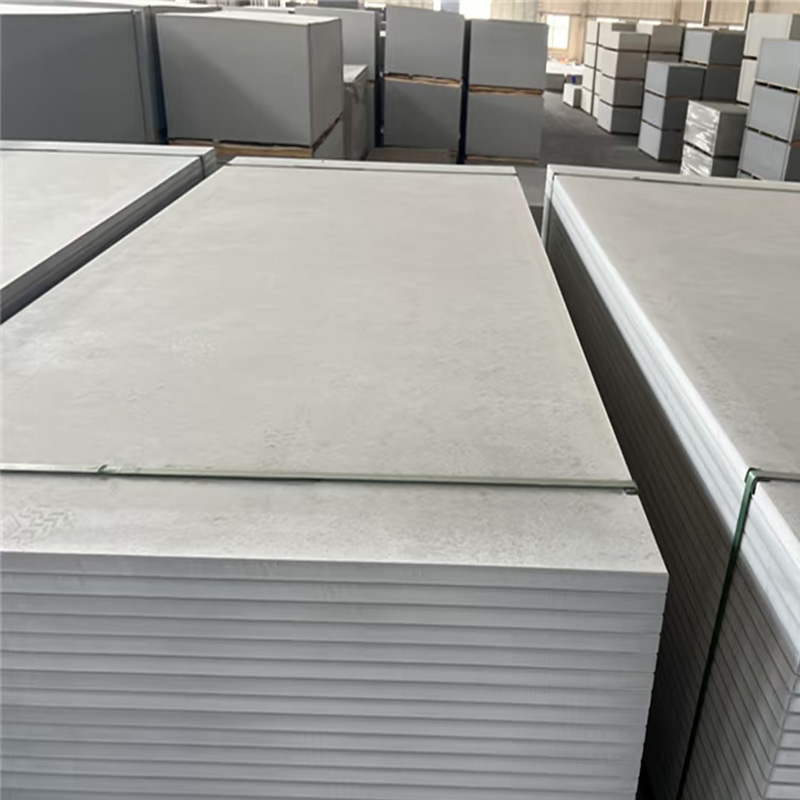
The building industry is undergoing a profound transformation as environmental concerns drive demand for sustainable solutions. Modern construction materials are evolving to meet both performance standards and ecological responsibility, reshaping how projects are designed and executed. Eco-friendly construction materials represent far more than a trend; they embody a strategic shift toward long-term viability and reduced environmental footprints. Organizations investing in sustainable construction materials today gain competitive advantages, regulatory compliance, and enhanced brand reputation. Understanding the trajectory of construction materials helps stakeholders make informed decisions about materials that balance durability, cost-effectiveness, and environmental stewardship.

Leading-edge construction materials are now engineered to minimize waste, reduce carbon emissions, and optimize resource efficiency throughout their lifecycle. The shift toward sustainable construction materials reflects both regulatory pressures and market recognition that high-performance building solutions require environmental accountability. Architects, contractors, and facility managers increasingly specify construction materials based on lifecycle impact assessments, energy performance ratings, and material sourcing transparency. This evolution in construction materials selection criteria creates opportunities for innovation while addressing climate commitments and building code requirements.
Emerging Trends in Sustainable Construction Materials
Biomass and Renewable Construction Materials
Renewable construction materials derived from biomass sources are gaining significant traction in commercial and residential applications. Cross-laminated timber, mycelium-based composites, and agricultural waste panels represent innovative construction materials that sequester carbon while providing structural or acoustic performance. These biological construction materials reduce reliance on energy-intensive extraction processes while offering farmers and forestry operators additional revenue streams. Advanced treatment processes make these construction materials resistant to moisture, fire, and degradation, matching or exceeding performance benchmarks of conventional options. The scalability of renewable construction materials depends on establishing sustainable harvesting practices and certified supply chains that verify environmental claims.
Recycled and Upcycled Construction Materials
Construction materials incorporating recycled content address waste management while reducing virgin material extraction. Recycled plastic lumber, reclaimed brick, recovered metal framing, and reclaimed wood represent construction materials that divert waste from landfills while delivering comparable structural properties. Industrial construction materials now include recycled concrete aggregates, recycled asphalt pavement, and reclaimed ceramic products that maintain engineering specifications. The economics of construction materials incorporating recycled content improve as collection infrastructure matures and material sorting technologies advance. Forward-thinking projects specify construction materials with verified recycled content to demonstrate commitment to circular economy principles and waste reduction targets.
Performance Enhancement and Lifecycle Benefits
Energy Efficiency and Thermal Performance
Next-generation construction materials incorporate advanced insulation technologies, phase-change materials, and reflective coatings that significantly reduce heating and cooling energy demands. Aerogel-based construction materials, vacuum insulation panels, and bio-based foam products deliver superior thermal resistance compared to conventional construction materials. Green roofing systems, cool-roof construction materials, and integrated solar-responsive surfaces enable buildings to manage temperature passively and reduce mechanical system load. Construction materials engineered for energy performance reduce operational carbon emissions over 20- to 50-year building lifespans, often offsetting higher initial material costs through utility savings. Building performance simulation increasingly informs construction materials selection, allowing designers to optimize envelope performance and reduce lifecycle environmental burden.
Indoor Environmental Quality and Health
Construction materials that enhance indoor environmental quality—through low off-gassing, improved air quality, and reduced chemical exposure—address growing occupant health concerns. Low-volatile-organic-compound construction materials, formaldehyde-free insulation, and non-toxic finish systems represent construction materials prioritizing human health alongside environmental protection. Biophilic construction materials, including living walls and sustainably harvested cork or bamboo, create healthier indoor environments while maintaining aesthetic appeal. Construction materials certifications such as Cradle-to-Cradle, Health Product Declaration, and Living Building Challenge verify material safety and environmental responsibility. Organizations adopting health-focused construction materials realize improved employee productivity, reduced sick-building syndrome complaints, and stronger tenant satisfaction scores.
Industry Adoption and Implementation Challenges
Supply Chain Development and Material Availability
Scaling sustainable construction materials requires robust supply chains, manufacturing capacity, and distribution networks currently underdeveloped in many regions. Construction materials producers are investing in recycling infrastructure, sustainable forestry partnerships, and biomass processing facilities to meet rising demand. Material standardization for eco-friendly construction materials remains inconsistent, requiring designers and contractors to navigate varying specifications and certifications. Cost premiums for sustainable construction materials persist in many categories, though price convergence occurs as production volumes increase and market competition intensifies. Strategic procurement approaches help organizations navigate construction materials sourcing complexity, including long-term supplier relationships, volume commitments, and performance guarantees.
Building Code Integration and Regulatory Alignment
Building codes and construction standards are slowly incorporating environmental criteria alongside traditional safety and performance requirements for construction materials. Many jurisdictions now recognize green building certifications and environmental product declarations as valid bases for construction materials approval and specification. Construction materials manufacturers must demonstrate compliance with evolving regulations regarding embodied carbon, recycled content percentages, and material disclosure requirements. Industry collaboration through standards organizations helps align construction materials performance criteria with sustainability objectives, reducing ambiguity for specifiers. Forward-looking organizations partner with material suppliers to track regulatory trends and ensure construction materials specifications remain compliant and competitive as standards evolve.
Business and Strategic Impact
Risk Mitigation and Long-Term Asset Value
Sustainable construction materials reduce exposure to resource scarcity, commodity price volatility, and supply chain disruptions affecting conventional building products. Organizations specifying durable, environmentally responsible construction materials protect asset value against future regulatory restrictions, material bans, and evolving market preferences. Construction materials with superior durability and lower maintenance requirements deliver long-term cost advantages despite higher upfront investment. Green building certifications and construction materials transparency enhance property marketability, tenant appeal, and resale or refinancing prospects. Climate-aware investors increasingly scrutinize construction materials specifications and embodied carbon accounting, making sustainability-focused construction materials a strategic advantage in capital markets.
Innovation Opportunities and Competitive Positioning
Organizations leading adoption of advanced sustainable construction materials strengthen brand differentiation and market positioning within environmentally conscious customer segments. Construction materials innovation partnerships create first-mover advantages in emerging product categories and market segments. Early specification of proven eco-friendly construction materials demonstrates environmental leadership while gathering performance data that informs future project decisions. Supply chain transparency and material traceability for construction materials build trust and enable marketing claims that resonate with stakeholders prioritizing sustainability. Companies integrating construction materials sustainability into core business strategy attract talent, partnerships, and investor interest aligned with long-term value creation.
FAQ
What makes construction materials sustainable and eco-friendly?
Eco-friendly construction materials minimize environmental impact across extraction, manufacturing, transportation, use, and end-of-life phases through renewable sourcing, reduced embodied carbon, recyclability, and non-toxic composition. Sustainable construction materials prioritize resource efficiency, waste reduction, and alignment with circular economy principles while maintaining structural and performance integrity. Third-party certifications and environmental product declarations verify that construction materials meet specific sustainability criteria and transparent reporting standards. The definition of sustainable construction materials continues evolving as assessment methodologies improve and stakeholder priorities expand beyond carbon metrics to include water use, biodiversity impact, and supply chain equity.
How do eco-friendly construction materials affect project costs and timelines?
Upfront material costs for sustainable construction materials may exceed conventional options by 10–30% depending on product category, market maturity, and local supply availability. However, lifecycle cost analysis often favors construction materials with superior durability, reduced maintenance requirements, and lower operational energy consumption that offset higher initial investment. Project timelines may be affected by construction materials sourcing complexity, longer lead times, or contractor unfamiliarity with installation procedures, though experience and planning mitigate these challenges. Building performance improvements and reduced lifecycle costs make sustainable construction materials economically competitive over 20- to 50-year project lifespans. Forward-thinking budget development incorporates lifecycle costing rather than first-cost procurement, revealing total-cost-of-ownership advantages of environmentally responsible construction materials.
Are there performance compromises when using eco-friendly construction materials?
Modern sustainable construction materials meet or exceed performance requirements established for conventional building products across structural strength, fire resistance, thermal performance, and acoustic properties. Eco-friendly construction materials undergo rigorous testing and certification against industry standards, ensuring reliability and compliance with building codes. Performance advantages of advanced construction materials often exceed conventional options; for example, high-performance aerogel insulation delivers superior thermal resistance in thinner profiles. Selection of appropriate construction materials requires matching specific product capabilities to project requirements rather than assuming generic eco-friendly construction materials fit all applications. Reputable construction materials manufacturers provide comprehensive technical documentation, performance warranties, and reference projects demonstrating proven reliability in diverse applications.