 EN
EN


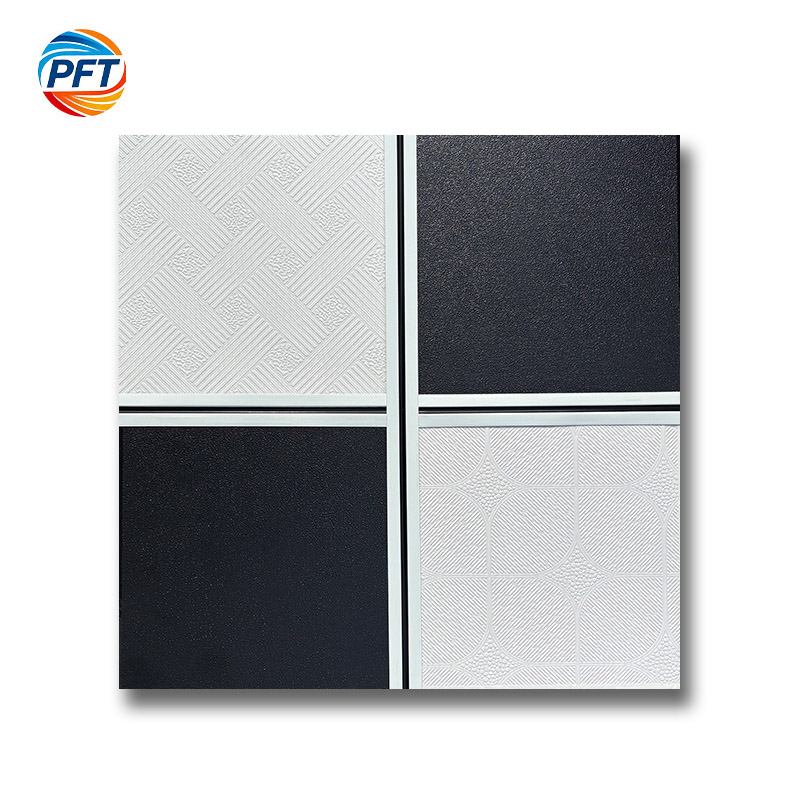
Selecting the right ceiling materials is a critical decision for architects, builders, and facility managers working on commercial and residential projects. The choice of ceiling materials directly impacts aesthetics, acoustics, durability, maintenance requirements, and overall project costs. Understanding the characteristics, benefits, and limitations of different ceiling materials enables you to make informed decisions aligned with your building's specific needs and long-term performance goals. This comprehensive guide explores the most popular ceiling materials available today, helping you navigate the selection process with confidence.

The ceiling materials market has evolved significantly, offering solutions for virtually every architectural style, budget, and performance requirement. From traditional plaster to modern suspended systems, each type of ceiling material brings distinct advantages to different applications. Whether you are renovating an office, designing a retail space, or constructing a residential property, understanding the properties of popular ceiling materials will help you optimize your investment and ensure long-term satisfaction with your choice.
Gypsum and Drywall Ceiling Materials
Characteristics of Gypsum Ceiling Materials
Gypsum ceiling materials, commonly known as drywall or plasterboard, represent one of the most widely used ceiling materials in both commercial and residential construction. These ceiling materials consist of a gypsum core sandwiched between layers of paper, creating a smooth, seamless surface ideal for painted finishes. The versatility of gypsum ceiling materials makes them suitable for various applications, from standard office spaces to specialized environments requiring fire or moisture resistance. When properly installed, gypsum ceiling materials provide excellent coverage and can be finished with paint, texture, or integrated lighting systems.
Installation and Maintenance Benefits
Installing gypsum ceiling materials is straightforward and cost-effective for many projects, making these ceiling materials a popular choice among contractors and builders. The materials can be easily cut and shaped to accommodate structural elements, ventilation systems, and architectural details. Maintenance of gypsum ceiling materials remains minimal when installed in standard dry environments, though moisture-resistant variants exist for areas prone to humidity. Over time, gypsum ceiling materials may require repainting or minor repairs, but their durability ensures they remain an economical choice for long-term use.
Suspended and Acoustic Ceiling Materials
Understanding Suspended Ceiling Systems
Suspended ceiling materials have become increasingly popular in commercial environments due to their flexibility and practical benefits. These ceiling materials consist of a grid framework that suspends lightweight tiles or panels below the structural ceiling, creating a concealed cavity space ideal for mechanical systems, electrical wiring, and HVAC distribution. The accessibility of suspended ceiling materials makes them particularly valuable in offices, retail stores, and industrial facilities where regular maintenance access is essential. Unlike rigid ceiling materials, suspended systems allow for straightforward installation and removal of individual tiles without disrupting the entire ceiling surface.
Acoustic Performance and Sound Control
Acoustic ceiling materials, a specialized subset of suspended ceiling materials, incorporate porous surfaces designed to absorb sound and reduce noise transmission between spaces. These ceiling materials significantly improve workplace comfort and productivity by minimizing distracting sounds from adjacent areas, mechanical systems, and office activity. The sound-absorption properties of acoustic ceiling materials make them ideal for open-plan offices, call centers, and hospitality environments where acoustic comfort directly impacts user experience. Many modern acoustic ceiling materials combine noise reduction with fire resistance and moisture tolerance, addressing multiple performance requirements simultaneously.
Specialized and Decorative Ceiling Materials
PVC and Plastic-Based Ceiling Materials
PVC ceiling materials offer superior moisture resistance and durability compared to traditional gypsum or mineral-based options, making them ideal for kitchens, bathrooms, and industrial facilities. These innovative ceiling materials resist mold and mildew growth, withstand humidity fluctuations, and maintain their appearance with minimal maintenance. ceiling materials incorporating PVC lamination provide enhanced waterproofing capabilities essential for commercial kitchens, swimming facilities, and medical environments. The aesthetic versatility of PVC ceiling materials allows designers to integrate decorative elements while maintaining the practical benefits of moisture-resistant surfaces.
Mineral Fiber and Composite Ceiling Materials
Mineral fiber ceiling materials combine excellent acoustic properties with fire resistance and moisture tolerance, making them highly effective for diverse applications. These ceiling materials are manufactured from mineral wool and other non-combustible materials, providing inherent fire protection without additional coatings. The durability of mineral fiber ceiling materials ensures they maintain their performance characteristics throughout extended service life in demanding environments. Commercial spaces, educational facilities, and healthcare settings benefit significantly from the comprehensive performance profile of mineral fiber ceiling materials, which address acoustic, fire safety, and maintenance requirements simultaneously.
Factors for Selecting Among Ceiling Materials
Environmental and Durability Considerations
Choosing appropriate ceiling materials requires careful evaluation of environmental conditions, including moisture levels, temperature fluctuations, and exposure to chemicals or contaminants. High-moisture environments demand ceiling materials with proven water resistance and mold prevention properties, while spaces with temperature variations need materials that resist warping or deterioration. Durability considerations should extend beyond initial installation to encompass long-term performance, maintenance requirements, and replacement costs. Evaluating the environmental resilience of potential ceiling materials ensures your investment delivers consistent performance and appearance throughout the service life of your building.
Aesthetic and Functional Integration
The visual appearance of ceiling materials significantly influences the overall aesthetic character of interior spaces, from corporate offices to retail environments. Modern ceiling materials offer extensive design options, including varied textures, colors, patterns, and integrated lighting capabilities that enable seamless integration with architectural vision. Functional requirements such as acoustic performance, thermal properties, and accessibility for system maintenance must be balanced against aesthetic preferences when selecting ceiling materials. The best ceiling materials choices align both visual objectives and practical performance requirements, creating spaces that are simultaneously beautiful and functionally optimal.
Installation Techniques and Professional Guidance
Professional Installation Best Practices
Proper installation of ceiling materials by qualified professionals ensures optimal performance and longevity of your ceiling system. Different ceiling materials require specific installation techniques, tools, and expertise to achieve seamless results and prevent premature failure or aesthetic problems. Professional installers understand how to properly prepare structural substrates, account for environmental conditions, and address transitions between different ceiling material types. Investing in qualified installation of your selected ceiling materials protects your investment and ensures the ceiling system performs as designed throughout its intended service life.
FAQ
What are the most common ceiling materials used in commercial buildings?
The most common ceiling materials in commercial buildings include suspended ceiling tiles, acoustic panels, and gypsum drywall systems. Suspended ceiling materials dominate office environments due to their accessibility for mechanical systems and ease of maintenance. Acoustic ceiling materials are frequently selected for their sound-absorption benefits, while gypsum ceiling materials serve as reliable options for spaces requiring seamless, paintable surfaces. The choice among these ceiling materials depends on specific project requirements for aesthetics, acoustics, and system accessibility.
How do I choose the right ceiling materials for a moisture-prone environment?
For moisture-prone areas such as bathrooms, kitchens, and indoor pools, select ceiling materials with proven water resistance and mold prevention properties. PVC ceiling materials and moisture-resistant gypsum products provide excellent protection against humidity and moisture damage. Mineral fiber ceiling materials also resist moisture absorption while maintaining structural integrity. Avoid standard acoustic tiles in high-moisture areas, as they readily absorb water and deteriorate rapidly. Proper ventilation combined with moisture-resistant ceiling materials creates optimal performance in challenging environments.
What factors affect the cost of different ceiling materials?
The cost of ceiling materials varies based on material composition, specialized properties, installation complexity, and project scope. Basic gypsum and standard suspended ceiling materials typically represent the most economical options, while specialized materials such as fire-rated or moisture-resistant ceiling materials command premium pricing. Installation costs vary depending on ceiling height, structural complexity, and the quantity of mechanical system coordination required. Long-term value should consider maintenance requirements and expected service life, as durable ceiling materials often justify higher initial investment through reduced replacement and maintenance costs over time.