 EN
EN


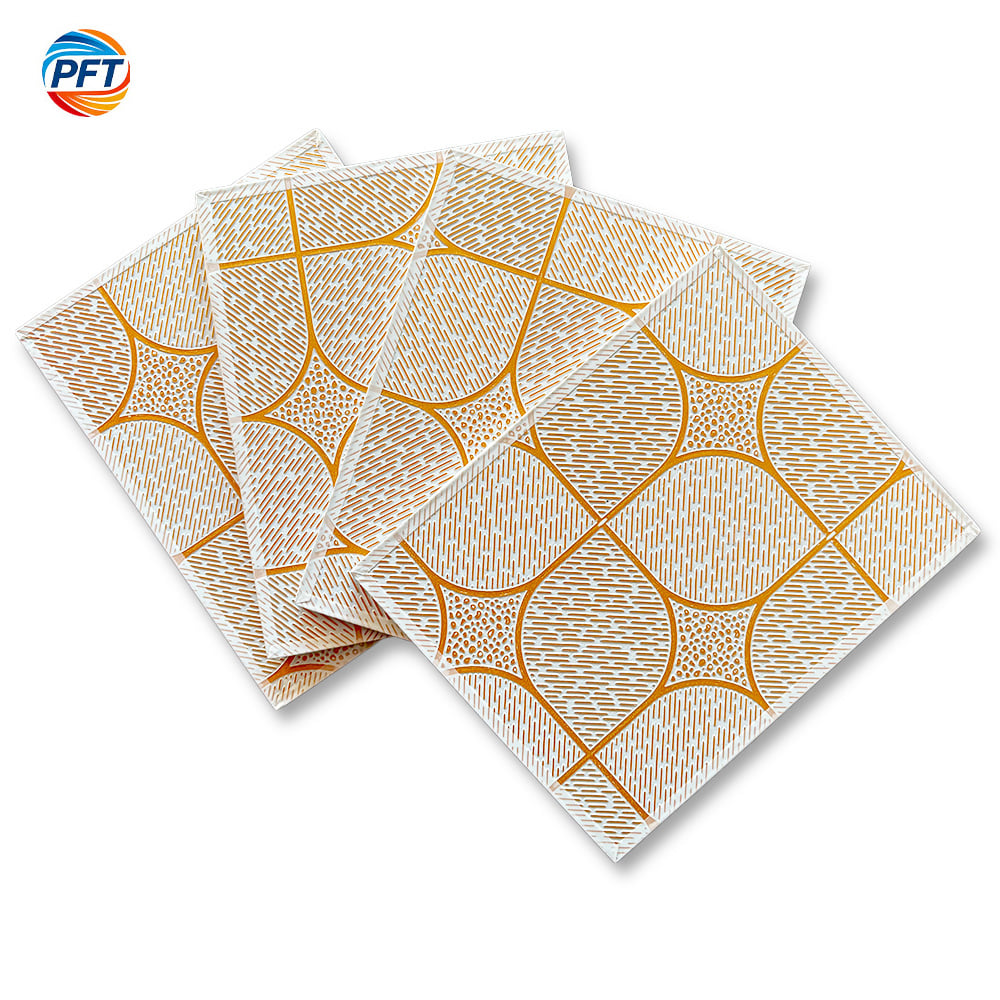
Choosing the right ceiling materials is one of the most important decisions you'll make when designing or renovating any space. The ceiling materials you select will directly impact the room's acoustics, thermal efficiency, aesthetic appeal, and long-term maintenance requirements. Whether you're working on a commercial office, retail environment, hospital, school, or residential area, understanding the characteristics of different ceiling materials will help you make an informed choice that aligns with your specific needs and budget constraints.
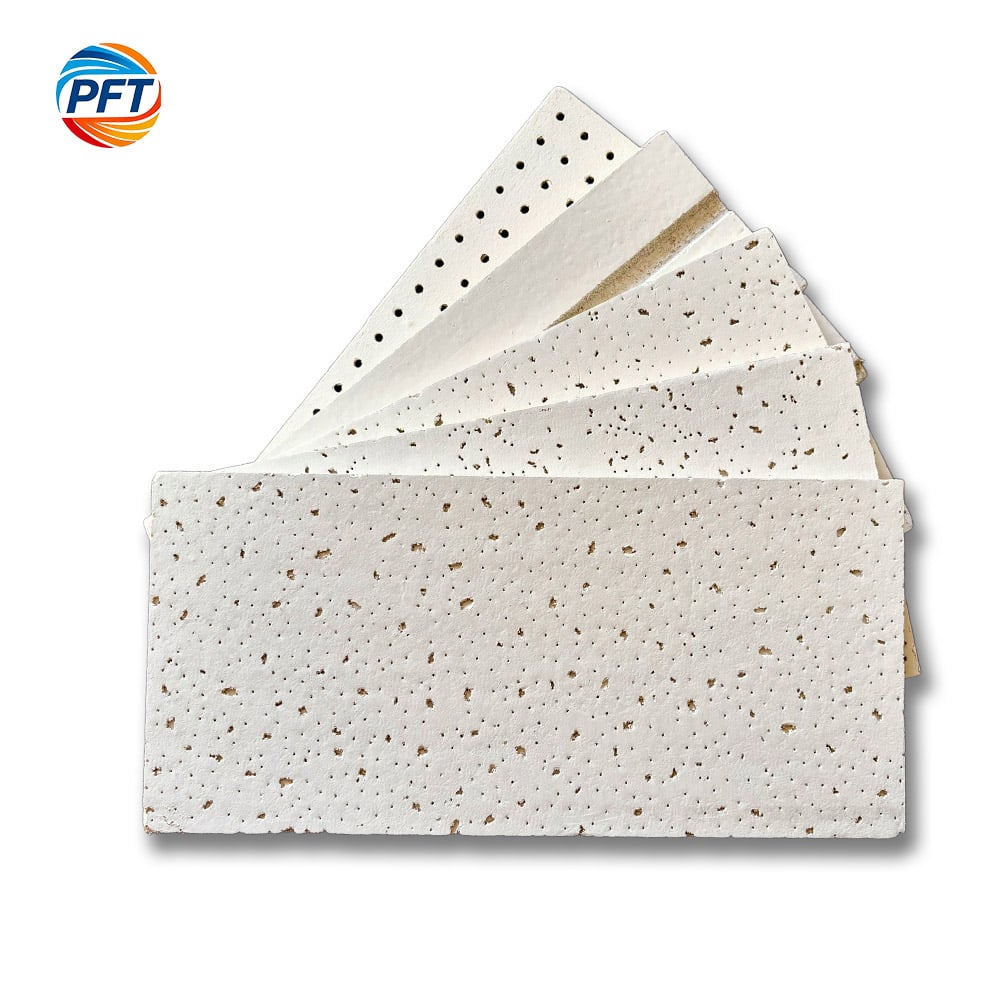
The ceiling materials you choose will serve as both a functional and visual element in your space. Different ceiling materials offer varying levels of fire resistance, moisture resistance, sound absorption, and durability. This guide will walk you through the key factors to consider when selecting ceiling materials, the main types available in the market today, and how to evaluate which ceiling materials are best suited for your particular application and environment.
Understanding Key Performance Factors for Ceiling Materials
Fire Safety and Building Code Compliance
Fire safety is a critical consideration when selecting ceiling materials for any commercial or public space. Most building codes require ceiling materials to meet specific fire ratings, and choosing non-compliant ceiling materials can result in legal liability and safety hazards. The fire rating of ceiling materials is typically measured using the Flame Spread Index and Smoke Development Index, with lower numbers indicating better fire performance. When evaluating ceiling materials, always verify that they meet the fire safety standards required by your local building codes and insurance providers. Fireproof ceiling materials are especially important in high-traffic areas, schools, hospitals, and industrial facilities where safety regulations are strictly enforced.
Moisture and Environmental Resistance
Environmental conditions play a significant role in determining which ceiling materials will perform best in your space. Moisture-resistant ceiling materials are essential in bathrooms, kitchens, basements, and areas prone to humidity or water exposure. Standard ceiling materials can absorb moisture, leading to sagging, staining, and mold growth over time. Waterproof ceiling materials such as PVC-based options or specialized composite ceiling materials resist moisture infiltration and maintain their structural integrity even in wet environments. Additionally, consider whether your space experiences temperature fluctuations, UV exposure, or chemical contact, as these factors will influence which ceiling materials are appropriate for long-term performance.
Main Types of Ceiling Materials and Their Applications
Suspended Ceiling Tiles and Lay-In Systems
Suspended ceiling materials, commonly known as drop ceilings or lay-in systems, are among the most widely used ceiling materials in commercial spaces. These ceiling materials consist of individual tiles that rest on a metal grid framework, making them easy to install, replace, and access for maintenance. Most suspended ceiling materials are manufactured from mineral fiber, fiberglass, or composite materials that offer excellent acoustic properties and cost-effectiveness. The flexibility of suspended ceiling materials makes them popular in office buildings, retail stores, and institutional facilities where flexibility and accessibility are priorities. When selecting suspended ceiling materials, consider the Noise Reduction Coefficient (NRC) rating, which indicates how effectively the ceiling materials absorb sound.
PVC and Composite Ceiling Materials
Modern ceiling materials increasingly include PVC laminated and composite options that provide superior durability and moisture resistance compared to traditional options. These advanced ceiling materials are particularly valuable in challenging environments such as hospitals, food processing facilities, and industrial spaces where hygiene and durability are paramount. PVC-based ceiling materials offer excellent fire ratings, superior moisture resistance, and ease of cleaning, which makes them ideal for healthcare and food service applications. Composite ceiling materials often combine multiple materials to achieve specific performance characteristics, allowing designers to select ceiling materials that meet precise environmental and aesthetic requirements. The investment in premium ceiling materials like PVC composites often pays off through reduced maintenance costs and extended service life.
Gypsum and Traditional Ceiling Materials
Gypsum-based ceiling materials remain a popular choice for many applications due to their acoustic properties, affordability, and ease of installation. Standard gypsum ceiling materials work well in dry indoor environments but may not perform adequately in high-moisture areas. Many manufacturers now offer enhanced gypsum ceiling materials with added additives that improve moisture resistance and fire performance. When comparing ceiling materials options, gypsum ceiling materials provide a good balance of cost-effectiveness and performance for standard commercial and residential applications. However, evaluating your specific environmental conditions will help determine whether gypsum ceiling materials or more advanced alternatives better suit your needs.
Practical Selection Criteria for Your Specific Space
Assessing Room Function and Usage Patterns
The intended use of your space should be the primary driver when selecting ceiling materials. Office environments typically benefit from ceiling materials that offer good sound absorption and light reflection to create productive work spaces. Healthcare facilities require ceiling materials that meet strict hygiene standards and can withstand frequent cleaning with disinfectants. Educational institutions need durable ceiling materials that can handle wear and tear while providing good acoustic isolation between classrooms. Retail and hospitality spaces often prioritize aesthetic ceiling materials that enhance brand perception while maintaining functionality. By matching ceiling materials selection to your space's specific functional requirements, you'll achieve better performance and greater satisfaction with your investment.
Budget and Life-Cycle Cost Analysis
While initial cost is always a consideration, evaluating the total life-cycle cost of different ceiling materials provides a clearer picture of true value. Budget-friendly ceiling materials may require frequent replacement or maintenance, increasing long-term expenses. Premium ceiling materials with superior durability and resistance characteristics often deliver better value when analyzed over ten to twenty years of use. Consider factors such as replacement frequency, maintenance requirements, cleaning costs, and energy efficiency benefits when comparing ceiling materials across different price points. Investing in appropriate ceiling materials that match your environmental conditions will minimize unexpected repairs and extend the time between replacements.
Aesthetic Considerations and Design Integration
Modern ceiling materials come in diverse colors, textures, and finishes that allow designers to integrate ceilings as design elements rather than afterthoughts. Contemporary ceiling materials options include clean minimalist tiles, textured surfaces that enhance visual interest, and even suspended ceiling materials with integrated lighting or acoustic enhancements. The aesthetic qualities of your ceiling materials should complement the overall design strategy and brand identity of your space. Many architects and designers now specify custom ceiling materials that balance functional requirements with visual objectives. When selecting ceiling materials, request samples and view them in your actual lighting conditions to ensure the aesthetic matches your vision.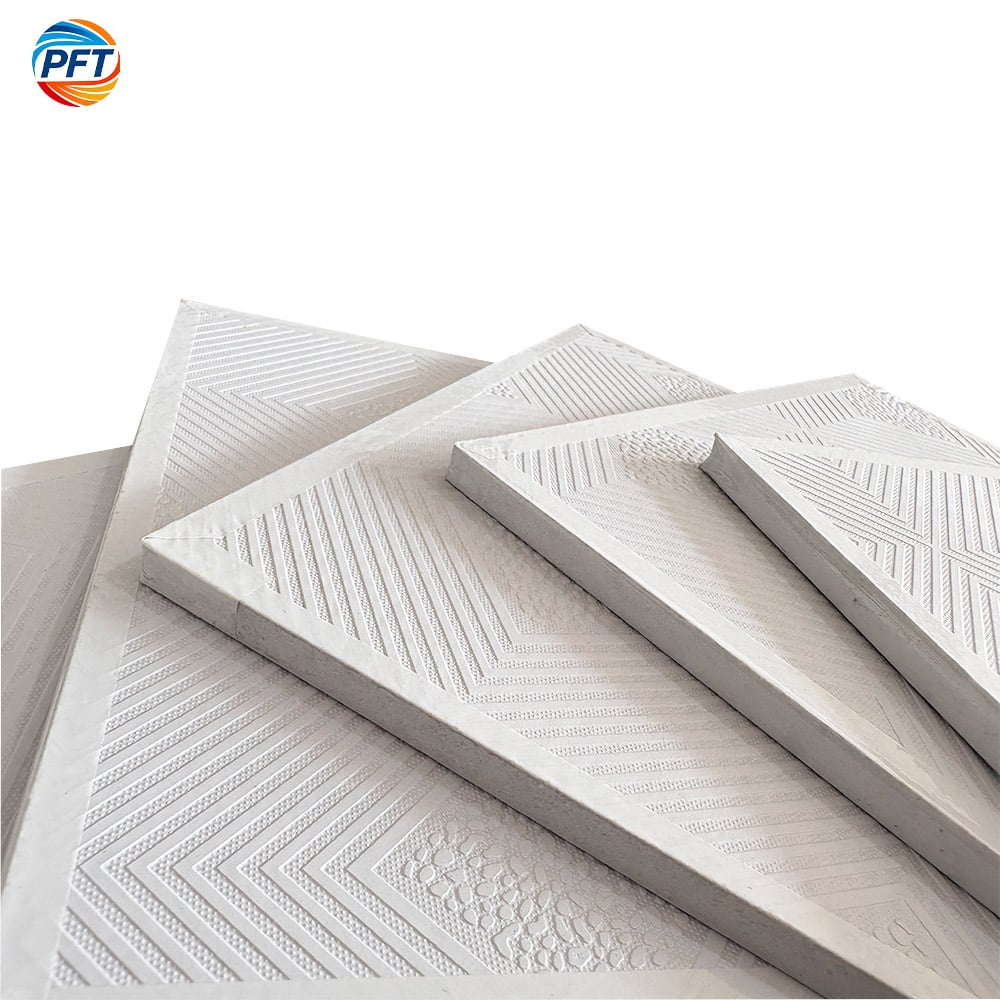
FAQ
What are the most durable ceiling materials for commercial applications?
For commercial applications requiring maximum durability, PVC laminated ceiling materials and specialized composite ceiling materials offer superior performance characteristics. These ceiling materials resist moisture, maintain their structural integrity under stress, and withstand frequent cleaning with harsh disinfectants. Suspended ceiling materials made from fiberglass with waterproof coatings also perform well in demanding commercial environments. The specific choice of ceiling materials depends on your room's exposure to moisture, temperature fluctuations, and maintenance protocols, but PVC and composite ceiling materials consistently deliver excellent long-term durability for high-traffic commercial spaces.
How do I determine the right fire rating for my ceiling materials?
Your local building codes and fire safety regulations will dictate the required fire ratings for ceiling materials in your specific application. Most commercial and public buildings require ceiling materials with a Flame Spread Index of 75 or lower, while some facilities like hospitals and schools may have stricter requirements. Consult with your local building department or fire marshal to confirm the fire rating requirements for ceiling materials before making your selection. When evaluating ceiling materials options, verify that the manufacturer's specifications clearly document fire ratings and provide third-party test results. Never assume that any ceiling materials meet fire codes without explicit verification from current testing documentation.
What maintenance requirements should I consider when selecting ceiling materials?
Different ceiling materials require different maintenance approaches to preserve their appearance and performance over time. Standard mineral fiber ceiling materials typically need vacuuming or careful dusting, while PVC ceiling materials can be wiped clean with mild disinfectant solutions. Composite ceiling materials may require specialized cleaning products to maintain their finish without damage. When selecting ceiling materials, consider whether your facility has the cleaning resources and expertise to maintain them properly. High-moisture environments benefit from ceiling materials specifically designed for regular cleaning with water and disinfectants, while standard office spaces may work well with lower-maintenance traditional ceiling materials options.