 EN
EN


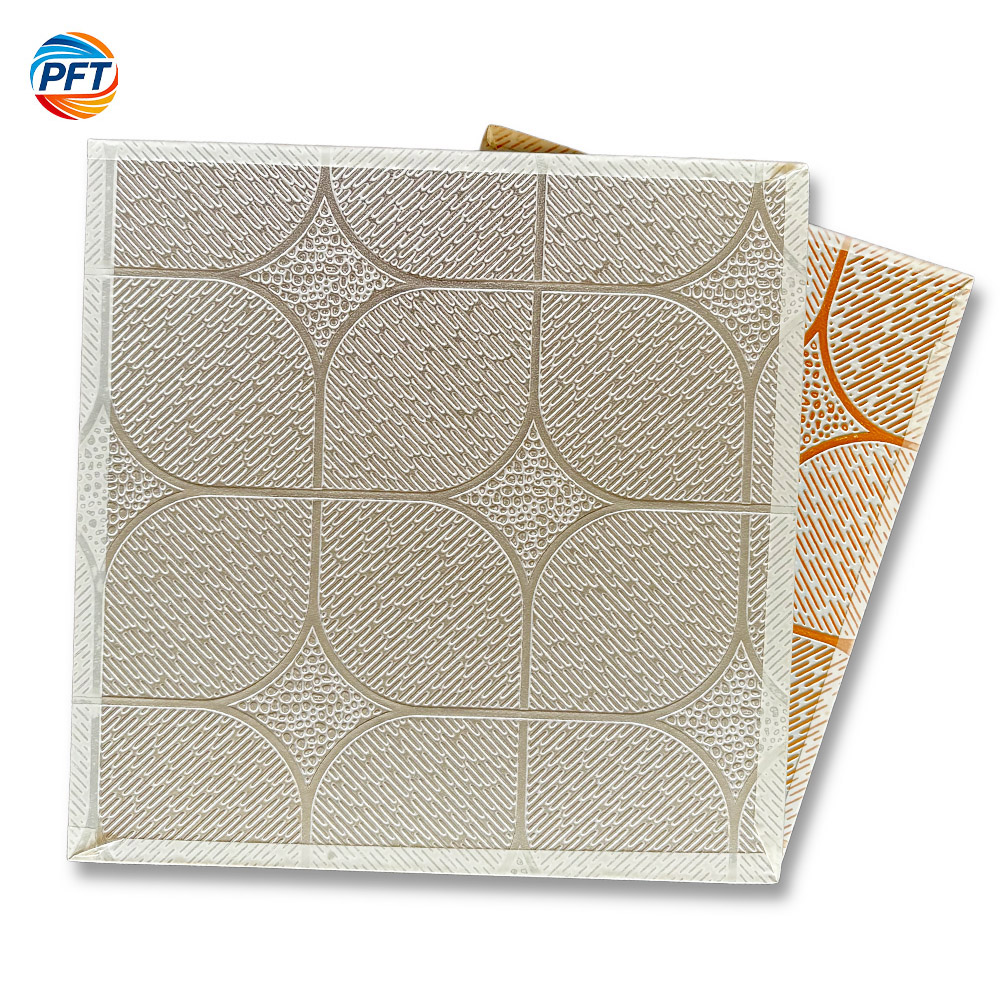
Selecting the right ceiling and wall material is fundamental to any construction or renovation project. The decision between a pvc laminated gypsum board and plain gypsum presents contractors, architects, and facility managers with distinct trade-offs that directly impact project cost, durability, and long-term maintenance requirements. Understanding these differences is essential for making an informed choice that aligns with your specific building environment and performance expectations.

A pvc laminated gypsum board combines the structural benefits of traditional gypsum with a protective plastic veneer, creating a hybrid material that addresses many limitations of uncoated gypsum. Plain gypsum, by contrast, remains a conventional choice valued for its simplicity, affordability, and proven performance in dry environments. Both materials have legitimate applications, but their suitability depends heavily on moisture exposure, humidity levels, traffic patterns, and maintenance capacity.
Moisture Resistance and Environmental Performance
Water and Humidity Protection
The most significant advantage of pvc laminated gypsum board lies in its moisture resistance. The PVC laminate layer acts as a vapor barrier and waterproof shield, preventing water penetration that would otherwise compromise plain gypsum's structural integrity. In kitchens, bathrooms, laundries, and other high-humidity areas, plain gypsum absorbs moisture, leading to mold growth, delamination, and eventual material failure. A pvc laminated gypsum board resists these conditions, maintaining dimensional stability and hygiene standards even in demanding wet environments.
Longevity in Humid Climates
Plain gypsum deteriorates rapidly when exposed to sustained humidity levels above 60 percent. Once water enters the gypsum core, it triggers biological growth and structural degradation that cannot be reversed. Conversely, pvc laminated gypsum board maintains performance across a much wider humidity range, making it the preferred choice for tropical climates, coastal regions, and industrial facilities with steam or spray environments. The laminated surface also resists staining and discoloration from moisture exposure, preserving aesthetic appeal over extended service life.
Cost Analysis and Economic Trade-offs
Initial Investment Comparison
Plain gypsum board carries a significantly lower upfront cost than pvc laminated gypsum board, typically ranging from 40 to 60 percent less per unit depending on market conditions and regional suppliers. For large-scale projects in dry, climate-controlled environments with minimal moisture risk, this cost advantage can represent substantial savings. However, the true economic picture requires analyzing total cost of ownership, not just purchase price. Pvc laminated gypsum board eliminates expensive interventions like remediation, replacement, and mold remediation that often follow plain gypsum failure in problematic environments.
Maintenance and Lifecycle Costs
Plain gypsum requires protective measures and repair budgets that compound over time in humid settings. Paint sealing, periodic inspection, moisture monitoring, and emergency replacement cycles add operational burden and unpredictable expense. A pvc laminated gypsum board installation in wet areas reduces maintenance complexity and extends replacement intervals by 50 percent or more, delivering superior return on investment despite higher initial cost. The PVC laminate also simplifies cleaning and disinfection protocols, an increasingly important factor in healthcare and food service facilities.
Installation, Aesthetics, and Versatility
Installation Workflow and Compatibility
Plain gypsum board integrates seamlessly with conventional drywall fastening systems, joint compound finishing, and standard acoustic treatments. Installers familiar with traditional gypsum require no specialized training or equipment. Pvc laminated gypsum board follows the same fastening protocols but demands greater care during cutting and handling to avoid laminate damage and delamination. The PVC surface also requires different finishing approaches; joint taping and mudding must use compatible compounds designed for laminated substrates to ensure adhesion and durability.
Surface Finish and Design Options
Modern pvc laminated gypsum board products offer diverse color palettes, textures, and patterns that mimic high-end finishes including wood grain, stone, and custom graphics. The laminate surface accepts direct printing and specialized coatings, enabling sophisticated interior design applications. Plain gypsum limits aesthetic expression to paint and wallpaper treatments, which may not suit contemporary commercial or hospitality environments seeking distinctive visual identity. For projects prioritizing both performance and design differentiation, pvc laminated gypsum board delivers practical advantages beyond mere functionality.
Sound, Fire Performance, and Regulatory Compliance
Acoustic and Fire Rating Considerations
Plain gypsum retains acoustic dampening properties and inherent fire resistance that have made it a regulatory staple for decades. Many building codes reference plain gypsum Type X variants for fire-rated assemblies, and third-party testing protocols favor this conventional material. Pvc laminated gypsum board fire ratings depend on the specific PVC formulation and core gypsum thickness; some products meet or exceed fire standards, while others do not. Architects and specifiers must verify fire classification for each pvc laminated gypsum board product rather than assuming equivalence with plain gypsum ratings.
Regulatory Documentation and Approval
Plain gypsum carries extensive historical approval and simplified compliance documentation across most jurisdictions. Pvc laminated gypsum board requires manufacturer certifications, material safety data, and fire-test documentation to satisfy building department reviews in many regions. Projects operating under strict code compliance timelines may find plain gypsum expedites permitting and inspection sign-off. Conversely, healthcare facilities and food processing plants often specify pvc laminated gypsum board explicitly because fire and hygiene requirements align with laminated board capabilities.
FAQ
When should I choose pvc laminated gypsum board over plain gypsum?
Choose pvc laminated gypsum board for bathrooms, kitchens, laundries, pools, commercial kitchens, healthcare facilities, food processing plants, or any environment where humidity consistently exceeds 60 percent or moisture splash and spray are routine. High-traffic commercial areas also benefit from the durability and cleanability of the laminated surface. If your project operates in a dry, climate-controlled space with minimal moisture exposure, plain gypsum delivers cost savings without performance compromise.
Is pvc laminated gypsum board more difficult to install?
Pvc laminated gypsum board uses the same fastening methods as plain gypsum, but installation teams must handle the material more carefully to avoid edge damage and laminate separation. Cutting and edge-working require sharper tools and slower feed rates than plain gypsum. Training and workflow adjustments are minimal for experienced drywall crews, but the learning curve extends slightly for less specialized teams. Once installed and sealed properly, maintenance and adjustments are actually simpler because no joint compound taping or mud finishing is necessary.
Can plain gypsum be treated to match pvc laminated gypsum board performance?
Moisture-resistant paint systems and vapor barriers can improve plain gypsum durability in moderately humid environments, but these treatments cannot reliably match the comprehensive moisture protection of factory-laminated pvc laminated gypsum board. Field-applied coatings deteriorate over time, require periodic reapplication, and often fail at seams and fastener penetrations where water ingress occurs. For permanent installations in consistently wet environments, pvc laminated gypsum board remains the more reliable and cost-effective long-term choice compared to attempting to retrofit plain gypsum with protective treatments.