 EN
EN


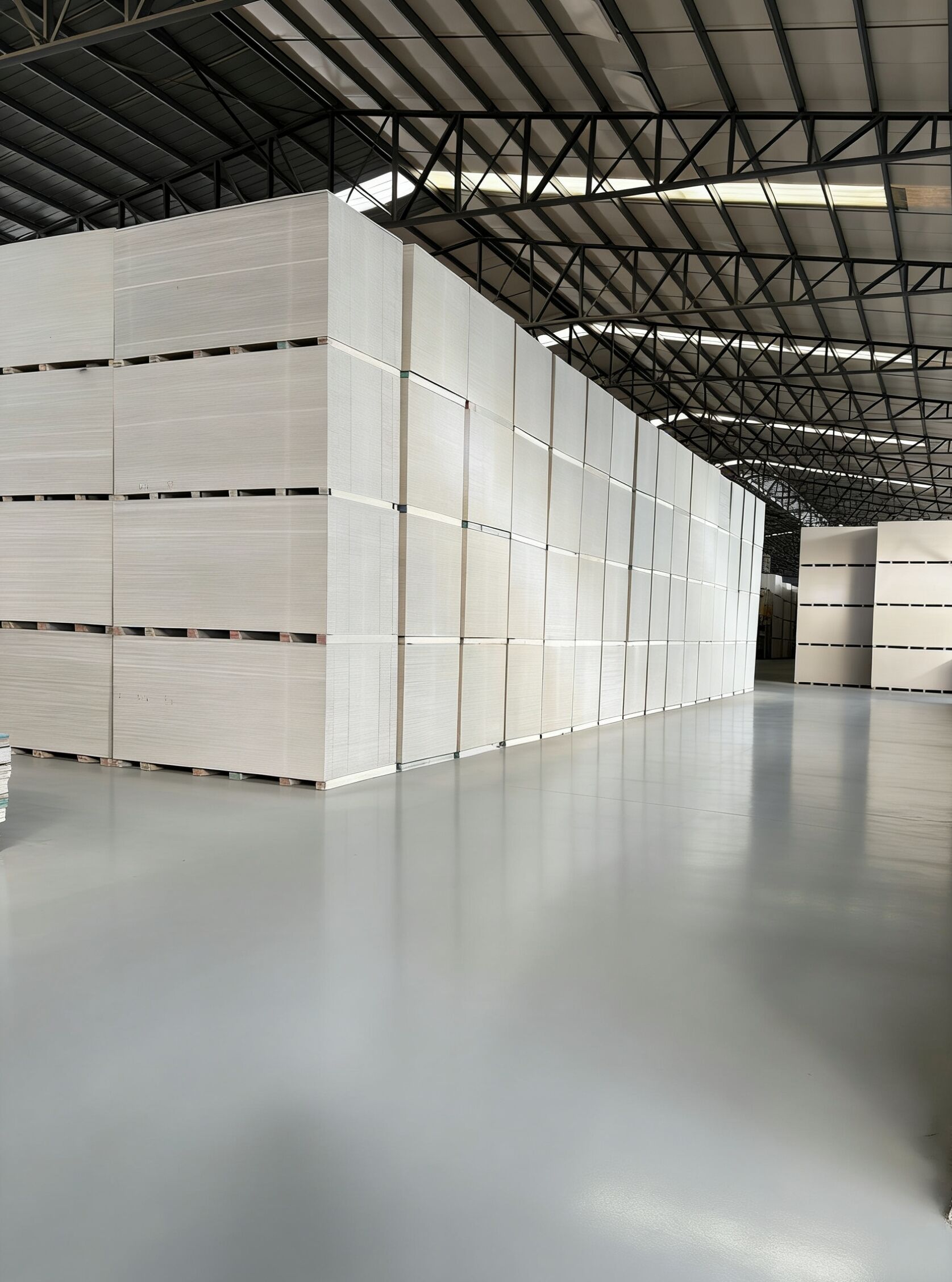
Understanding the differences between gypsum board and traditional drywall becomes crucial when selecting materials for construction and renovation projects. While many professionals use these terms interchangeably, gypsum board represents a superior evolution of standard drywall technology, offering enhanced performance characteristics that make it the preferred choice for modern building applications. The advantages of gypsum board extend beyond basic wall coverage, encompassing fire resistance, moisture management, and installation efficiency that traditional drywall simply cannot match.
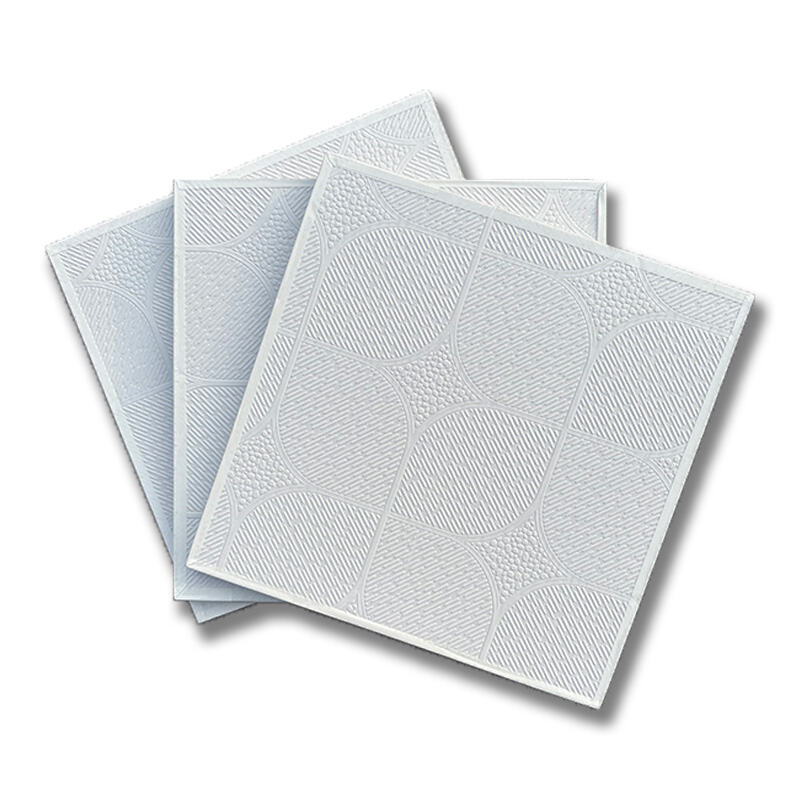
The construction industry has witnessed significant advancements in building materials, with gypsum board emerging as a game-changing solution that addresses the limitations of conventional drywall systems. Modern gypsum board incorporates advanced manufacturing techniques and specialized additives that create a more robust, versatile, and reliable building material. These improvements translate into tangible benefits for contractors, architects, and property owners who demand superior performance from their wall and ceiling systems.
Enhanced Fire Resistance and Safety Performance
Superior Fire Rating Capabilities
Gypsum board demonstrates exceptional fire resistance properties that significantly exceed those of standard drywall materials. The crystalline water content within gypsum board creates a natural fire barrier, as this water is released as steam when exposed to heat, effectively cooling the material and slowing fire spread. This inherent fire resistance allows gypsum board to maintain structural integrity for extended periods during fire exposure, providing crucial evacuation time and protecting building occupants.
The fire rating of gypsum board typically ranges from 30 minutes to several hours, depending on thickness and specific formulation. This performance makes gypsum board an ideal choice for commercial buildings, hospitals, schools, and residential applications where fire safety codes demand stringent compliance. Unlike traditional drywall, which may contain organic additives that can fuel fires, gypsum board maintains its protective barrier properties even under extreme heat conditions.
Reduced Smoke Generation
Another critical advantage of gypsum board over conventional drywall lies in its minimal smoke production during fire exposure. Standard drywall materials often contain paper facings and organic binders that generate toxic smoke when burned, creating dangerous conditions for building occupants during emergencies. Gypsum board formulations minimize these combustible components, resulting in cleaner burning characteristics that improve visibility and air quality during fire events.
The reduced smoke generation of gypsum board contributes to safer evacuation conditions and reduces property damage from smoke infiltration. This characteristic proves particularly valuable in enclosed spaces like office buildings, retail facilities, and multi-family housing where smoke containment directly impacts occupant safety and property preservation.
Superior Moisture Resistance and Durability
Advanced Moisture Management
Gypsum board incorporates specialized moisture-resistant additives and surface treatments that provide superior protection against humidity and water exposure compared to traditional drywall. These enhancements allow gypsum board to maintain dimensional stability and structural integrity even in high-moisture environments like bathrooms, kitchens, and basement applications. The moisture resistance prevents the warping, sagging, and deterioration commonly associated with standard drywall in humid conditions.
The moisture management capabilities of gypsum board extend beyond basic water resistance to include vapor permeability control. This balanced approach allows the material to resist liquid water penetration while permitting controlled moisture vapor transmission, preventing the buildup of condensation that can lead to mold growth and structural damage. This sophisticated moisture handling makes gypsum board particularly suitable for climate-controlled commercial environments and residential applications in humid regions.
Extended Service Life
The durability advantages of gypsum board translate into significantly extended service life compared to conventional drywall systems. The enhanced core composition and surface treatments of gypsum board resist common failure modes including edge cracking, surface deterioration, and joint separation that frequently affect traditional drywall installations. This improved longevity reduces maintenance costs and extends renovation cycles, providing substantial economic benefits over the building's operational lifetime.
Laboratory testing and field performance data demonstrate that gypsum board maintains its structural and aesthetic properties for decades under normal building conditions. The material's resistance to thermal cycling, humidity variations, and mechanical stress ensures consistent performance that meets or exceeds design expectations throughout the building's service life.
Installation Efficiency and Construction Benefits
Improved Workability and Handling
Gypsum board offers significant installation advantages over traditional drywall through improved workability characteristics that streamline construction processes. The material's consistent density and enhanced edge stability reduce the occurrence of breakage and damage during handling and installation, minimizing waste and rework costs. Professional contractors report that gypsum board cuts more cleanly and accurately than standard drywall, resulting in tighter joints and superior finished appearance.
The dimensional stability of gypsum board throughout temperature and humidity variations ensures that installations maintain proper alignment and joint integrity during construction and building occupancy. This stability reduces callback rates and warranty claims, contributing to improved project profitability and customer satisfaction for construction professionals.
Faster Project Completion
The installation characteristics of gypsum board enable faster project completion compared to traditional drywall systems. The material's superior edge quality and consistent thickness reduce the time required for joint treatment and finishing operations. Professional installers can achieve smooth, uniform surfaces with fewer finishing coats, accelerating project schedules and reducing labor costs.
The reduced shrinkage and movement of gypsum board during curing and seasonal changes minimize the need for touch-up work and maintenance visits. This stability allows contractors to complete finishing operations more efficiently and with greater confidence in long-term performance results.
Acoustic Performance and Indoor Environment
Enhanced Sound Control Properties
Gypsum board delivers superior acoustic performance compared to standard drywall through optimized density and internal structure that effectively absorb and block sound transmission. The material's consistent composition eliminates the air pockets and density variations that can compromise the sound control effectiveness of traditional drywall systems. This improved acoustic performance proves essential in office environments, multi-family housing, and commercial spaces where noise control directly impacts occupant comfort and productivity.
The sound transmission class ratings of gypsum board typically exceed those of comparable thickness drywall by measurable amounts, allowing architects and designers to meet stringent acoustic requirements with thinner wall assemblies. This acoustic efficiency creates opportunities for space optimization and cost savings in construction projects where sound control represents a critical performance parameter.
Indoor Air Quality Benefits
The composition and manufacturing processes used in gypsum board production result in materials with lower volatile organic compound emissions compared to many traditional drywall products. This reduced off-gassing contributes to healthier indoor environments and supports green building certification requirements including LEED and other sustainable construction standards. The low-emission characteristics of gypsum board prove particularly valuable in healthcare facilities, schools, and residential applications where indoor air quality directly affects occupant health and well-being.
Additionally, the moisture resistance properties of gypsum board help prevent mold and mildew growth that can compromise indoor air quality in traditional drywall systems. The material's ability to maintain dry conditions and resist biological growth creates healthier building environments while reducing maintenance and remediation costs associated with moisture-related problems.
Economic and Environmental Advantages
Long-Term Cost Effectiveness
While gypsum board may require higher initial material costs compared to basic drywall, the total cost of ownership demonstrates clear economic advantages through reduced maintenance, extended service life, and improved performance characteristics. The durability and stability of gypsum board minimize repair and replacement expenses over the building's operational lifetime, creating substantial savings that offset the initial investment premium.
The installation efficiency and reduced callback rates associated with gypsum board contribute additional economic benefits through lower labor costs and improved project schedules. Contractors report reduced warranty claims and maintenance visits when using gypsum board compared to traditional drywall systems, improving project profitability and customer relationships.
Sustainable Construction Benefits
Modern gypsum board manufacturing incorporates recycled materials and sustainable production practices that support environmental construction goals. The extended service life and reduced maintenance requirements of gypsum board contribute to lower environmental impact through reduced material consumption and waste generation over the building's lifetime. These sustainability characteristics align with current green building trends and regulatory requirements that emphasize lifecycle environmental performance.
The recyclability of gypsum board at end-of-life further enhances its environmental profile compared to composite drywall materials that may contain components difficult to separate and reprocess. This circular economy approach supports sustainable construction practices while providing high-performance building materials that meet contemporary performance standards.
FAQ
Is gypsum board more expensive than regular drywall?
Gypsum board typically costs 15-30% more than standard drywall initially, but the total cost of ownership often favors gypsum board due to its superior durability, reduced maintenance requirements, and extended service life. The installation efficiency and reduced callback rates associated with gypsum board can offset the material cost premium through lower labor expenses and improved project schedules.
Can gypsum board be used in wet areas like bathrooms?
Yes, moisture-resistant gypsum board formulations are specifically designed for high-humidity applications including bathrooms, kitchens, and laundry areas. These specialized gypsum board products incorporate water-resistant additives and surface treatments that prevent deterioration in wet conditions while maintaining structural integrity and dimensional stability.
How does gypsum board compare to drywall in terms of fire safety?
Gypsum board provides superior fire resistance compared to standard drywall through its crystalline water content that releases steam when heated, creating a natural fire barrier. Fire-rated gypsum board can achieve ratings from 30 minutes to several hours, significantly exceeding the fire performance of conventional drywall materials while producing less toxic smoke during fire exposure.
Does gypsum board require special installation techniques?
Gypsum board uses standard drywall installation methods and tools, but its improved edge stability and consistent density make it easier to work with than traditional drywall. Professional installers often find that gypsum board cuts more cleanly, handles better during installation, and requires fewer finishing coats to achieve smooth, uniform surfaces compared to conventional drywall products.