Colored Fiber Cement Siding: Durable, Fire-Resistant Exterior Cladding Solutions

Get a Free Quote

Our representative will contact you soon.
Email
Name
Company Name
Message
0/1000

colored fiber cement siding

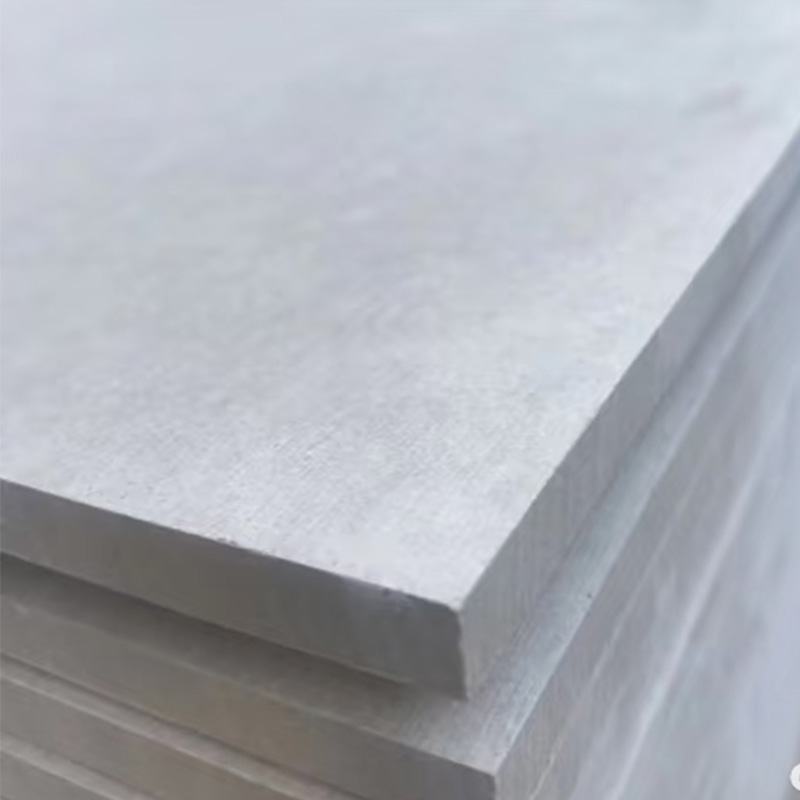
Colored fiber cement siding represents a revolutionary advancement in exterior building materials, combining the strength of cement with the flexibility of organic and inorganic fibers to create a durable, aesthetically pleasing exterior cladding solution. This innovative material consists of Portland cement, cellulose fibers, silica sand, and water, which are compressed and cured under high pressure to form dense, resilient panels. The manufacturing process incorporates advanced color technology that integrates pigments throughout the material, ensuring consistent coloration that penetrates beyond the surface layer. The primary function of colored fiber cement siding is to provide superior weather protection while enhancing the visual appeal of residential and commercial structures. Its technological features include exceptional dimensional stability, resistance to moisture infiltration, and immunity to insect damage and rot. The material undergoes autoclave curing, which creates a crystalline structure that bonds all components into a unified, strong matrix. This process results in siding that maintains its structural integrity across extreme temperature variations and harsh environmental conditions. The coloring system utilizes mineral-based pigments that resist fading from ultraviolet radiation, ensuring long-lasting aesthetic appeal. Applications for colored fiber cement siding span across various building types, including single-family homes, multi-unit residential complexes, commercial buildings, and institutional facilities. The versatility of this material makes it suitable for both new construction projects and renovation work, where it can be installed over existing substrates with proper preparation. Architectural applications range from traditional lap siding styles to contemporary vertical and horizontal panel systems. The material accommodates diverse design preferences through its availability in multiple textures, profiles, and an extensive color palette that mimics natural materials like wood grain or smooth contemporary finishes.

New Products

Colored fiber cement siding delivers exceptional durability that surpasses traditional siding materials, providing property owners with long-term value and reduced maintenance requirements. This advanced material resists cracking, warping, and splitting that commonly affect wood siding, while remaining unaffected by moisture-related issues such as swelling or shrinking. The integrated color system eliminates the need for frequent repainting, as the pigments are distributed throughout the material rather than applied as a surface coating. This characteristic translates to significant cost savings over the lifespan of the building, as property owners avoid recurring expenses associated with exterior maintenance. The fire-resistant properties of colored fiber cement siding provide enhanced safety protection for buildings and occupants. Unlike vinyl or wood alternatives, this material does not contribute fuel to fires and maintains its structural integrity when exposed to high temperatures. Insurance companies often recognize this benefit through reduced premiums for properties clad with fire-resistant materials. The pest resistance of colored fiber cement siding protects buildings from damage caused by termites, carpenter ants, and other wood-destroying insects. This immunity stems from the inorganic composition of the material, which provides no nutritional value to pests. Property owners enjoy peace of mind knowing their exterior investment remains protected from costly pest-related damage. Weather resistance capabilities ensure colored fiber cement siding performs reliably across diverse climatic conditions. The material withstands freeze-thaw cycles without cracking, resists hail damage better than many alternatives, and maintains its appearance despite prolonged exposure to intense sunlight. Coastal properties benefit from the material's resistance to salt spray and humidity. Installation versatility allows colored fiber cement siding to accommodate various architectural styles and construction methods. Professional contractors appreciate the material's workability, which enables precise cutting, drilling, and fastening using standard construction tools. The consistent dimensions and straight edges facilitate efficient installation processes that reduce labor costs and project timelines.

Tips And Tricks

The Development Of New Building Materials And Products Is A Requirement Of The Sustainable Development Strategy

04

Mar

The Development Of New Building Materials And Products Is A Requirement Of The Sustainable Development Strategy

View More
Industry Rising Star: PVC Gypsum Ceiling Tile Leads Prefabricated Interior Decoration Into the Era of

04

Mar

Industry Rising Star: PVC Gypsum Ceiling Tile Leads Prefabricated Interior Decoration Into the Era of "Move-In Ready"

View More
PVC Gypsum Ceiling Tile: The

04

Mar

PVC Gypsum Ceiling Tile: The "Industrial Revolution" of the Renovation Industry Reshapes the Landscape of a Hundred-Billion-Dollar Wall Market

View More

Get a Free Quote

Our representative will contact you soon.
Email
Name
Company Name
Message
0/1000

colored fiber cement siding

Superior Weather Protection and Longevity

Superior Weather Protection and Longevity

Colored fiber cement siding excels in providing unmatched weather protection that ensures buildings remain safeguarded against the harshest environmental conditions while maintaining their structural integrity for decades. The advanced composition of this material creates a barrier that effectively repels moisture infiltration, preventing the development of mold, mildew, and rot that can compromise building envelope performance. Unlike traditional wood siding that absorbs water and experiences dimensional changes, colored fiber cement siding maintains stable dimensions regardless of humidity levels or precipitation exposure. This stability prevents gaps from forming between panels that could allow water penetration into wall systems. The material's resistance to freeze-thaw cycles makes it particularly valuable in regions experiencing significant temperature fluctuations throughout the year. When water freezes within porous materials, it expands and creates internal pressure that leads to cracking and structural damage. Colored fiber cement siding's dense composition and low porosity prevent water absorption, eliminating the risk of freeze-thaw damage. The UV resistance built into the coloring system ensures that the aesthetic appeal remains consistent over time, preventing the fading and discoloration that affect other siding materials. Property owners benefit from this longevity through reduced replacement costs and maintained property values. The warranty coverage typically provided with colored fiber cement siding reflects manufacturer confidence in the material's durability, often extending 30 years or more for color retention and 50 years for material integrity. This extended protection period provides financial security for property investments and demonstrates the superior performance characteristics that distinguish colored fiber cement siding from alternatives. Maintenance requirements remain minimal throughout the material's lifespan, requiring only periodic cleaning with water and mild detergent to maintain optimal appearance and performance.
Comprehensive Fire Safety and Security Features

Comprehensive Fire Safety and Security Features

The fire safety characteristics of colored fiber cement siding provide property owners with exceptional protection that goes far beyond basic building code requirements, creating a defensive barrier that actively contributes to fire prevention and containment strategies. This non-combustible material receives Class A fire ratings from recognized testing organizations, indicating the highest level of fire resistance available in exterior cladding materials. When exposed to flames or extreme heat, colored fiber cement siding does not ignite, burn, or contribute fuel to fire spread, making it an ideal choice for properties in wildfire-prone areas or urban environments where fire safety is paramount. The material's performance during fire exposure includes resistance to flame penetration, minimal smoke generation, and maintained structural integrity that prevents collapse or breach of the building envelope. These characteristics provide occupants with additional escape time during fire emergencies while limiting property damage. Insurance industry recognition of these safety benefits often translates to reduced premiums for properties featuring colored fiber cement siding, creating ongoing financial advantages for property owners. The material's contribution to fire-resistant construction assemblies helps builders meet increasingly stringent fire codes in high-risk areas. Building officials and fire marshals frequently recommend colored fiber cement siding for projects requiring enhanced fire protection, including residential developments in wildland-urban interface zones. The peace of mind that comes with superior fire protection extends to neighboring properties, as fire-resistant siding helps prevent fire spread between structures. This community benefit makes colored fiber cement siding particularly valuable in dense residential developments where fire safety affects multiple property owners. The long-term reliability of these fire-resistant properties ensures that protection levels remain consistent throughout the material's service life, providing sustained safety benefits that do not degrade over time like some fire-retardant treatments applied to other materials.
Versatile Design Options and Architectural Flexibility

Versatile Design Options and Architectural Flexibility

Colored fiber cement siding offers unprecedented design versatility that enables architects and property owners to achieve virtually any aesthetic vision while maintaining the practical benefits of advanced building materials technology. The extensive color palette available includes traditional earth tones, contemporary neutrals, and bold accent colors that complement diverse architectural styles from classic colonial to modern minimalist designs. The color integration process ensures consistent appearance across all pieces, eliminating the variations that can occur with field-applied finishes. Texture options range from smooth contemporary surfaces to realistic wood grain patterns that capture the natural beauty of cedar, oak, or pine without the maintenance requirements of actual wood. These textural variations are achieved through sophisticated molding processes that create authentic-looking surfaces indistinguishable from natural materials at typical viewing distances. Profile diversity accommodates traditional horizontal lap siding, vertical board and batten configurations, and contemporary panel systems that create clean, uninterrupted surfaces. Trim and accessory pieces complete the system, providing seamless integration around windows, doors, corners, and roof lines. The dimensional stability of colored fiber cement siding ensures that these design elements maintain proper alignment and appearance over time, preventing the gaps and misalignments that can develop with materials that expand and contract significantly. Custom color matching capabilities allow property owners to specify unique colors that coordinate with existing architectural elements or landscape features. This flexibility proves particularly valuable for renovation projects where new siding must complement retained building components. The material accepts paint readily when color changes are desired in the future, providing long-term design adaptability that accommodates evolving aesthetic preferences. Installation methods accommodate both traditional construction techniques and modern building systems, including rainscreen applications that enhance moisture management and energy efficiency. This compatibility ensures that colored fiber cement siding integrates seamlessly with contemporary building science practices while supporting sustainable construction goals.