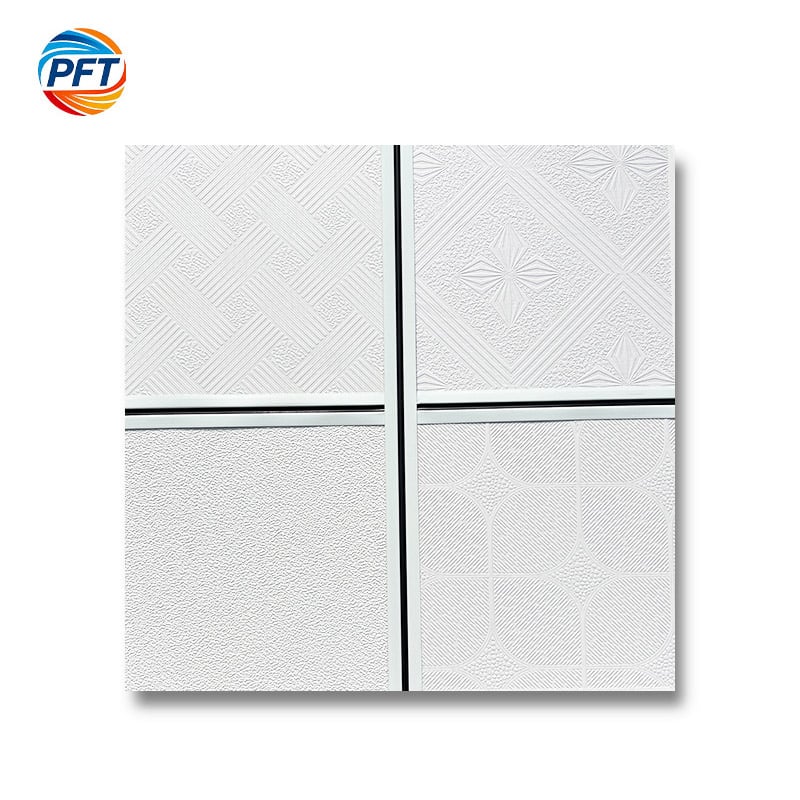
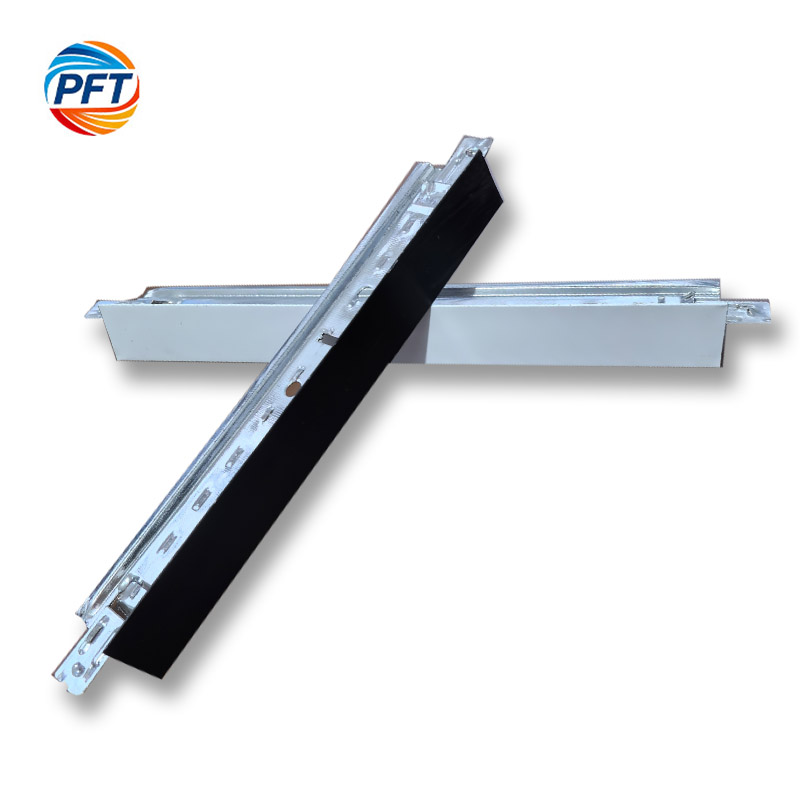
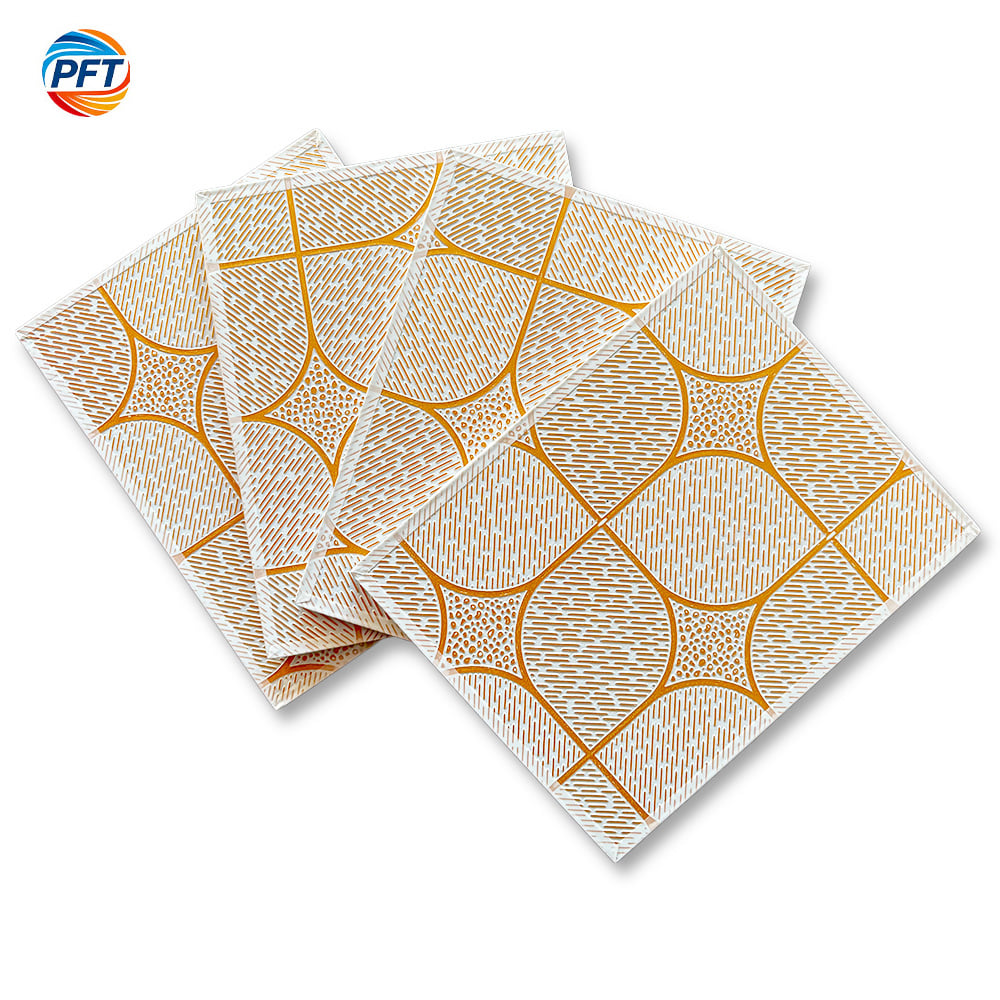
coffered ceiling tiles
Coffered ceiling tiles represent a sophisticated architectural solution designed to enhance both aesthetic appeal and functional performance in residential and commercial spaces. These specialized ceiling tiles feature a distinctive recessed geometric pattern that creates visual depth and architectural interest while serving multiple practical purposes.
Coffered ceiling tiles function primarily as acoustic regulators, sound dampeners, and thermal insulators. The geometric coffers—recessed rectangular or square sections—trap sound waves and reduce noise transmission, making these tiles ideal for offices, conference rooms, and educational facilities. The layered structure of coffered ceiling tiles also provides excellent thermal insulation, helping maintain consistent temperature control and reducing energy consumption.
Technologically, modern coffered ceiling tiles incorporate advanced materials including mineral fiber composites and fiberglass reinforced panels. These materials offer superior durability, fire resistance, and moisture management capabilities. The manufacturing process ensures consistent depth and alignment of the coffered pattern, creating uniform aesthetic presentation across installations.
Applications for coffered ceiling tiles span diverse environments. Corporate offices utilize them for improved acoustic performance and professional appearance. Educational institutions implement coffered ceiling tiles to enhance learning environments by reducing ambient noise. Healthcare facilities benefit from their hygienic properties and easy maintenance. Hospitality venues choose coffered ceiling tiles for their elegant visual impact and acoustic qualities. The versatility of coffered ceiling tiles makes them a preferred choice for renovation projects and new construction requiring both beauty and performance.
 EN
EN