 EN


Light steel keel systems have become increasingly popular in modern construction and building design due to their exceptional combination of strength, flexibility, and cost efficiency. Whether you are planning a commercial retrofit, residential renovation, or new construction project, understanding the advantages of light steel keel technology can significantly impact your project outcomes. These systems offer a reliable foundation for suspended ceiling installations, interior partitions, and structural framing applications across diverse industries.
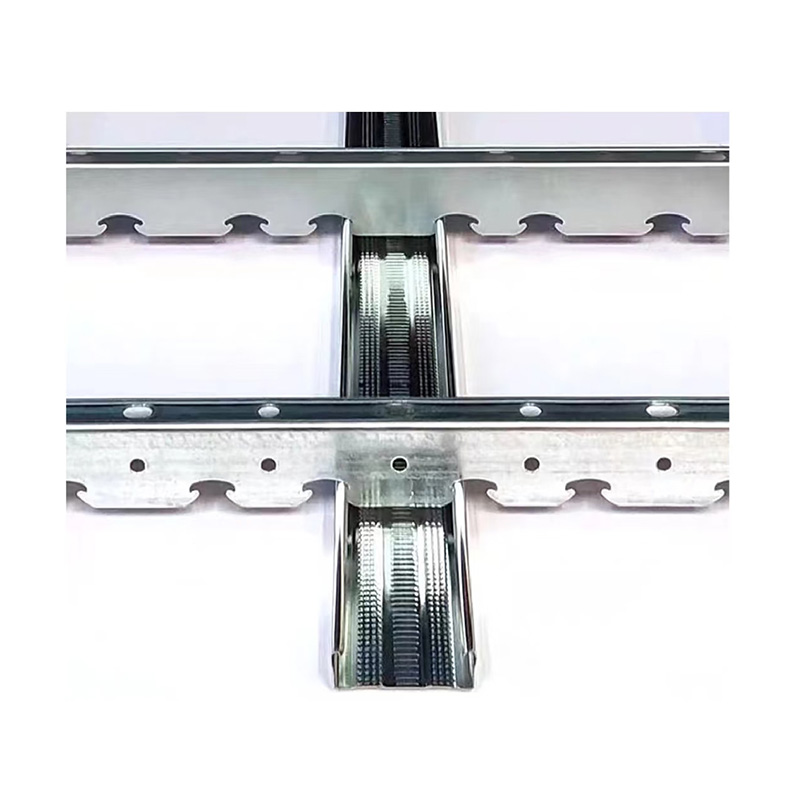
The adoption of light steel keel solutions has transformed how construction professionals approach interior systems. By leveraging advanced material science and engineering principles, light steel keel installations deliver measurable improvements in structural performance, installation speed, and long-term value. This article explores the compelling reasons why light steel keel systems continue to gain traction in both established and emerging markets.
Superior Durability and Structural Integrity
Exceptional Load-Bearing Capacity
Light steel keel frameworks provide outstanding load-bearing performance while maintaining a relatively lightweight profile. The inherent properties of light steel keel materials allow engineers to design systems that support substantial ceiling loads, acoustic panels, lighting fixtures, and HVAC components without compromising structural integrity. Unlike traditional wooden or basic metal alternatives, light steel keel systems resist warping, sagging, and deformation over extended periods. This reliability ensures that your ceiling infrastructure remains level and functional throughout decades of use, reducing maintenance demands and unexpected repair costs. The consistent performance of light steel keel under varying environmental conditions makes it an ideal choice for hospitals, data centers, laboratories, and other sensitive facilities.
Resistance to Environmental Factors
Light steel keel products exhibit superior resistance to moisture, temperature fluctuations, and corrosive agents compared to conventional framing materials. The galvanized or powder-coated surface treatments applied to light steel keel components protect against rust and oxidation, even in humid or chemically challenging environments. This environmental resilience means that light steel keel installations in kitchens, bathrooms, manufacturing facilities, and coastal areas maintain their structural properties without degradation. The longevity of light steel keel systems translates directly into reduced lifecycle costs and extended intervals between inspections or replacements. Building owners and facility managers appreciate how light steel keel requires minimal preventive maintenance while delivering consistent performance year after year.
Cost Efficiency and Installation Advantages
Reduced Material and Labor Expenses
The efficiency of light steel keel systems significantly reduces overall project costs through multiple mechanisms. First, light steel keel components are standardized and manufactured to precise specifications, which minimizes on-site fabrication work and associated labor overhead. Second, the lightweight nature of light steel keel materials simplifies handling, transport, and installation compared to heavier alternatives. Installation crews can position light steel keel framing more quickly using standard tools and techniques, accelerating project timelines. Third, light steel keel systems generate minimal waste during installation, as most components are reusable or recyclable. These cost advantages make light steel keel an attractive option for budget-conscious projects without sacrificing quality or performance.
Streamlined Installation Process
Light steel keel frameworks follow modular design principles that enable rapid assembly and precise alignment. Construction teams can pre-plan light steel keel layouts using digital models, ensuring accurate measurements and optimal spacing before installation begins. The flexibility of light steel keel systems allows for easy modification if design changes occur during construction. Additionally, light steel keel installations require fewer specialized tools and skills compared to traditional framing methods, making projects more accessible to a broader range of contractors. Reduced installation time means lower labor costs, faster project completion, and quicker return on investment for building owners. These operational efficiencies have made light steel keel a preferred solution in fast-track construction environments.
Versatility and Design Flexibility
Adaptability Across Building Types
Light steel keel systems accommodate an exceptionally broad range of architectural and functional requirements. Whether you need support for drop ceilings in office towers, cleanrooms in pharmaceutical facilities, retail spaces, educational institutions, or hospitality venues, light steel keel framing delivers consistent performance. The modular nature of light steel keel allows architects and designers to create custom configurations that match specific aesthetic preferences and technical requirements. Light steel keel systems integrate seamlessly with existing building infrastructure and can be retrofitted into older structures undergoing renovation. This adaptability means that light steel keel solutions work effectively across diverse climate zones, occupancy types, and regulatory environments worldwide.
Integration with Modern Building Systems
Contemporary buildings incorporate complex networks of electrical conduit, plumbing, HVAC ducts, and fire suppression systems within ceiling cavities. Light steel keel framing provides an ideal platform for routing and securing these mechanical, electrical, and plumbing components. The light steel keel geometry facilitates easy access to building systems for maintenance, upgrades, and troubleshooting. Designers can specify light steel keel configurations that optimize space utilization while maintaining necessary clearances for system operation. Many modern buildings rely on light steel keel infrastructure to support smart building technologies, sensor networks, and energy-efficient environmental control systems. The compatibility of light steel keel with contemporary construction methodologies positions it as essential infrastructure for future-ready buildings.
Performance Metrics and Comparative Advantages
Fire Safety and Code Compliance
Light steel keel systems meet or exceed stringent fire safety codes and building regulations in most jurisdictions. The non-combustible properties of light steel keel materials ensure that ceiling systems contribute minimally to fire risk or smoke generation in emergency scenarios. Light steel keel installations support fire-rated ceiling assemblies that protect building occupants and property. Engineers and building officials recognize light steel keel as a code-compliant solution that simplifies regulatory compliance processes. The documented fire performance of light steel keel gives facility managers confidence that their buildings meet contemporary safety standards. This reliability has made light steel keel particularly attractive for healthcare facilities, educational institutions, and public assembly spaces where fire safety requirements are rigorous.
Acoustic and Environmental Benefits
Light steel keel framing systems support acoustic ceiling tiles and sound-dampening materials that control noise transmission between spaces. The structural stability of light steel keel prevents vibration transmission that can compromise acoustic performance over time. Many light steel keel installations contribute to improved indoor air quality by supporting advanced filtration and air handling systems. The lightweight and recyclable nature of light steel keel components supports sustainability objectives and green building certifications. Organizations pursuing LEED accreditation or similar environmental standards benefit from light steel keel's minimal embodied carbon and recycling potential. These combined benefits demonstrate that light steel keel delivers value beyond immediate structural requirements.
FAQ
What is the typical lifespan of light steel keel systems?
Light steel keel systems typically provide 30 to 50 years or more of reliable service under normal building conditions. The longevity depends on environmental factors, maintenance practices, and installation quality. Properly galvanized light steel keel in well-maintained facilities often exceeds initial performance expectations. Regular inspections ensure that light steel keel components remain in optimal condition throughout their operational life. Most building owners find that light steel keel investments pay dividends through decades of trouble-free operation.
Can light steel keel systems be installed in existing buildings?
Yes, light steel keel systems work effectively for retrofit applications in existing buildings. The lightweight nature and modular design of light steel keel make it easier to install in structures not originally designed for suspended ceiling systems. Light steel keel retrofits typically require less structural reinforcement compared to heavier alternatives. Contractors can install light steel keel around existing building elements with minimal disruption to daily operations. Many older buildings have successfully integrated light steel keel systems to upgrade interior spaces and accommodate modern mechanical systems.
How does light steel keel compare to traditional framing materials?
Light steel keel outperforms traditional wood framing through superior durability, resistance to environmental degradation, and consistent dimensional stability. Unlike wood, light steel keel does not warp, split, or attract insects. Light steel keel typically costs less than solid steel construction while delivering comparable structural performance. The installation process for light steel keel is faster and requires less specialized equipment than traditional methods. Most modern construction standards recognize light steel keel as the superior choice for interior framing and ceiling systems.