 EN
EN


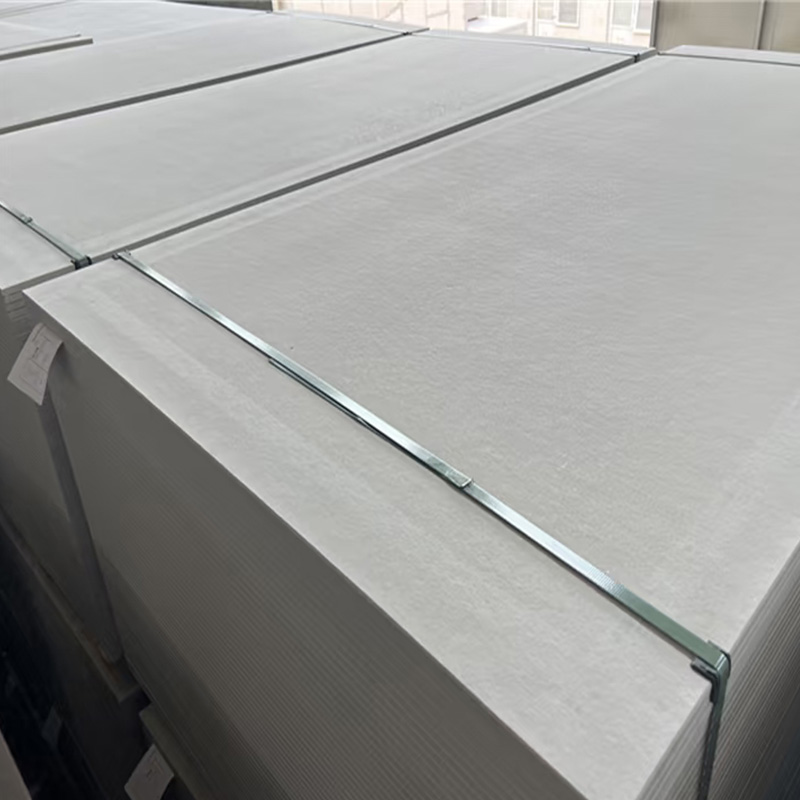
Fiber cement board has become a cornerstone material in modern construction, valued for its exceptional durability, fire resistance, and versatility across residential and commercial applications. As building standards evolve and project demands increase, understanding the complete profile of fiber cement board—including its advantages, limitations, and ideal use cases—has become essential for architects, contractors, and property owners making material selection decisions. This comprehensive guide explores what fiber cement board offers, where it excels, and the practical considerations that shape its deployment in real-world projects.
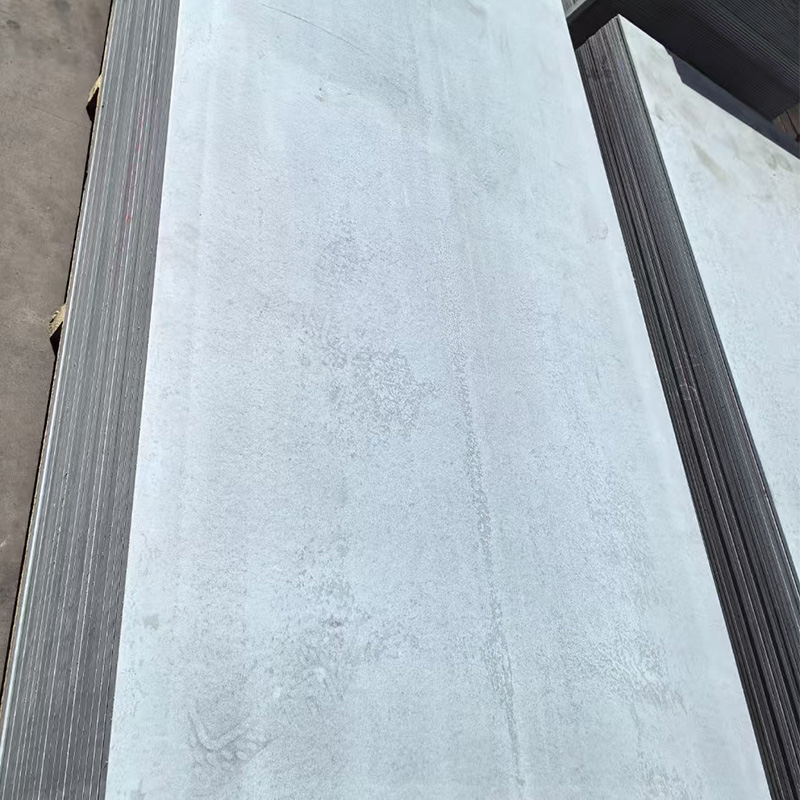
Fiber cement board represents a engineered composite material that combines Portland cement, cellulose fibers, and silica to create a panel product that resists moisture, decay, and environmental stress far better than traditional wood-based alternatives. The manufacturing process creates a non-combustible material that meets or exceeds fire safety codes across jurisdictions, making fiber cement board a preferred choice for building envelopes, exterior cladding, soffit panels, and interior partitions where fire rating requirements are critical.
Key Advantages of Fiber Cement Board
Exceptional Durability and Moisture Resistance
Fiber cement board outperforms many competing materials in harsh environmental conditions because its composition resists water infiltration, rot, and fungal growth that plague wood-based products. Unlike oriented strand board, plywood, or medium-density fiberboard, fiber cement board maintains structural integrity when exposed to rain, humidity, and temperature cycling without swelling, warping, or delamination. This moisture resistance makes fiber cement board particularly valuable in coastal regions, humid climates, and areas prone to heavy precipitation where material lifespan directly impacts maintenance costs and building reliability.
Fire Safety and Non-Combustibility
Fiber cement board achieves Class A fire ratings and non-combustible classification, providing a critical safety advantage in residential subdivisions, multi-family housing, commercial offices, and industrial facilities where building codes mandate fire-resistant materials. The non-organic composition of fiber cement board eliminates the fuel load that wood products contribute, reducing smoke development and flame spread to levels that satisfy stringent fire safety standards. Architects and building officials specify fiber cement board in applications where fire performance creates competitive advantage or regulatory compliance necessity.
Important Limitations and Considerations
Higher Installation Costs and Labor Requirements
Fiber cement board typically commands a premium price compared to conventional wood sheathing and requires specialized cutting equipment, fastening techniques, and installation practices that increase labor complexity and project timelines. The material's density and composition demand carbide-tipped saw blades, dust collection systems, and respiratory protection for workers, driving up installation costs significantly compared to standard framing materials. Contractors must budget for these additional labor and equipment expenses when evaluating fiber cement board for budget-sensitive projects, and fiber cement board cost considerations become especially important in large-scale residential developments where material and labor efficiency directly impact project economics.
Susceptibility to Impact Damage and Brittleness
While fiber cement board resists moisture and fire exceptionally well, it exhibits brittleness and vulnerability to point-load impacts and drop damage that wood-based materials tolerate more gracefully. The rigid composite structure of fiber cement board can fracture or crack when struck with concentrated force, creating repair challenges and aesthetic defects that require panel replacement rather than simple patching. Storage, handling, and transport of fiber cement board require careful attention to prevent edge damage and breakage that compromises material value and project scheduling.
Real-World Applications for Fiber Cement Board
Exterior Cladding and Weather-Exposed Surfaces
Fiber cement board serves as a premier exterior cladding material for residential and commercial buildings requiring durability, visual appeal, and minimal maintenance over extended building lifecycles. Available in varied textures, patterns, and colors, fiber cement board delivers architectural flexibility while maintaining weather-proof performance and structural stability that protects underlying sheathing and framing. Multi-family residential projects, hospitality properties, office buildings, and industrial facilities increasingly specify fiber cement board to reduce long-term maintenance obligations and preserve façade integrity despite climate stress and UV exposure.
Interior Partitions and Fire-Rated Assemblies
Fiber cement board integrates into interior wall assemblies, chase construction, and ceiling soffit designs where fire rating requirements and moisture resistance prove critical for code compliance and operational resilience. Healthcare facilities, educational institutions, and commercial buildings utilize fiber cement board within rated partition assemblies that protect mechanical systems, electrical distribution, and plumbing infrastructure while maintaining fire safety performance. The non-combustible classification of fiber cement board enables architects to design efficient, code-compliant building envelopes without over-reliance on spray foam insulation or other combustible materials.
Soffit, Fascia, and Trim Applications
Fiber cement board performs exceptionally in soffit panels, fascia boards, and trim installations where paint-grade finished surfaces and long maintenance intervals justify premium material costs compared to wood alternatives. Residential properties in humid or coastal environments frequently specify fiber cement board for trim packages because the material eliminates periodic repainting, caulking repair, and rot remediation cycles that drive ongoing maintenance budgets. Commercial and institutional properties achieve operational cost savings through fiber cement board selection, reducing facilities management labor and material expenses over typical 20 to 30 year building lifecycles.
Practical Selection Criteria for Fiber Cement Board Projects
Environmental and Climate Factors
Projects in high-moisture environments, coastal regions, or areas experiencing significant temperature and humidity fluctuations benefit most from fiber cement board because competitive materials cannot match its resistance to environmental stress and material degradation. Building owners in these climates derive measurable lifecycle cost advantages from fiber cement board investment because maintenance burdens and material replacement cycles decrease dramatically compared to wood-based alternatives. Conversely, dry climates and moderate-humidity regions may not generate sufficient cost justification for fiber cement board premium pricing if wood-based options meet performance requirements and budget constraints.
Building Code and Fire Safety Requirements
Fire-rated construction, multi-family housing, and commercial buildings frequently encounter code mandates that make fiber cement board a specification necessity rather than an optional premium upgrade. Architects and building officials evaluate fiber cement board cost against non-combustible material alternatives and often determine that fiber cement board delivers superior balance between fire performance, workability, aesthetics, and economic feasibility. Understanding local building codes and fire safety classifications enables project teams to align fiber cement board selection with regulatory requirements while optimizing material costs across project scope.
Aesthetic and Finish Requirements
Fiber cement board availability in varied textures, profiles, and factory-applied finishes enables designers to achieve specific architectural visions while maintaining performance and durability characteristics that justify material investment. Premium aesthetic applications, heritage renovation projects, and high-profile commercial properties often specify fiber cement board for façade consistency and visual quality that standard materials cannot deliver. Coordinating fiber cement board appearance with surrounding materials and design intent ensures that material selection enhances project value and architectural coherence.
FAQ
Is fiber cement board waterproof?
Fiber cement board demonstrates exceptional water resistance and resists moisture infiltration better than wood-based alternatives, but it is not absolutely waterproof in the sense of remaining completely impervious indefinitely. The material requires proper installation with flashing, sealing, and paint finishes that work together to exclude water from penetrating the panel structure. Building professionals must integrate fiber cement board within complete weather-resistant assemblies that include air sealing, drainage planes, and protective finishes rather than relying solely on the inherent properties of fiber cement board material.
How long does fiber cement board last?
Fiber cement board typically delivers 25 to 40 year service life in exterior applications when properly installed and maintained, significantly exceeding performance durations of wood-based sheathing and cladding materials. Interior applications with controlled moisture and temperature conditions often extend fiber cement board lifespan beyond 50 years because environmental stress factors that degrade exterior applications remain absent. The actual longevity of fiber cement board depends on climate severity, installation quality, maintenance protocols, and specific product formulations supplied by different manufacturers.
Can fiber cement board be cut and fastened with standard tools?
Fiber cement board requires specialized cutting equipment including carbide-tipped saw blades and dust collection systems that standard wood-cutting tools cannot safely or effectively accommodate. The density and composition of fiber cement board demand different fastening techniques, screw types, and spacing requirements compared to conventional framing lumber and wood-based sheathing materials. Installation crews unfamiliar with fiber cement board procedures must receive training and equipment orientation to execute fiber cement board installation safely and according to manufacturer specifications and building code requirements.