 EN
EN


A commercial building ceiling represents one of the most visible and functionally critical components of any office, retail, or institutional environment. The choice of commercial building ceiling material directly impacts not only the visual appeal of your space but also operational efficiency, maintenance costs, and long-term property value. For facility managers and business owners operating within budget constraints, selecting a cost-effective commercial building ceiling solution requires balancing upfront investment against durability, acoustic performance, and aesthetic compatibility with brand image.
Modern commercial environments demand a commercial building ceiling that meets multiple performance criteria simultaneously: fire safety compliance, moisture resistance, acoustic control, and visual consistency across large areas. Budget-conscious decision-makers often perceive ceiling investment as a secondary priority, yet poor commercial building ceiling choices lead to higher maintenance, earlier replacement cycles, and diminished occupant satisfaction. Understanding the range of cost-effective options available today allows businesses to make strategic investments that protect their facilities while managing capital expenditure responsibly.
Key Factors in Selecting Cost-Effective Commercial Building Ceiling Options
Understanding Total Cost of Ownership for Commercial Building Ceiling
Cost-effectiveness in commercial building ceiling selection extends beyond the initial purchase price per square meter. True cost-effectiveness measures total cost of ownership over 15 to 20 years, including installation labor, maintenance, replacement frequency, energy efficiency contributions, and acoustic benefits. A commercial building ceiling material priced 15 percent lower initially but requiring replacement every eight years ultimately costs more than a durable option lasting fifteen years with minimal maintenance. Facility managers evaluating commercial building ceiling options should request lifecycle cost analyses from suppliers, comparing price-per-year across comparable product lifespans to identify genuine value propositions.
Performance Standards and Commercial Building Ceiling Material Selection
Every commercial building ceiling must satisfy local building codes, fire safety ratings, and environmental standards. Class A fire ratings, moisture resistance certifications, and acoustic performance coefficients are not optional features but regulatory requirements that affect material selection. Cost-effective commercial building ceiling materials meet these standards without premium pricing; many manufacturers produce compliant products at competitive rates because economies of scale and standardized production methods have matured across the industry. When evaluating commercial building ceiling quotes, verify that all options meet your jurisdiction's specific building code requirements—the cheapest option that fails to comply creates false savings and exposes your organization to liability.
Material Options for Budget-Conscious Commercial Building Ceiling Installations
Mineral Fiber and Fiberglass Tiles for Commercial Building Ceiling
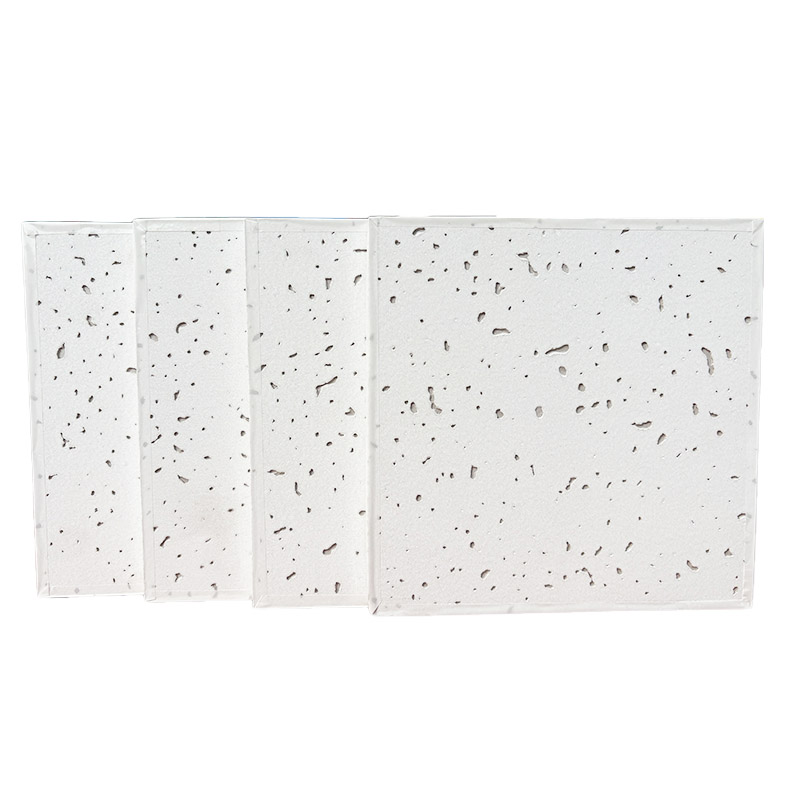
Mineral fiber ceiling tiles remain the most widely deployed commercial building ceiling solution in offices and institutional settings globally. These tiles offer exceptional acoustic absorption, fire resistance, and cost efficiency in both material and installation phases. A commercial building ceiling built from standard mineral fiber tiles costs approximately 30 to 50 percent less than premium alternatives while delivering adequate performance for typical office environments. Mineral fiber commercial building ceiling tiles resist moisture reasonably well in normal office conditions but may not suit high-humidity spaces such as kitchens, bathrooms, or data centers without additional protective measures. Their lightweight construction simplifies installation, reducing labor costs and timeline for commercial building ceiling projects of any scale.
PVC and Gypsum-Based Commercial Building Ceiling Systems
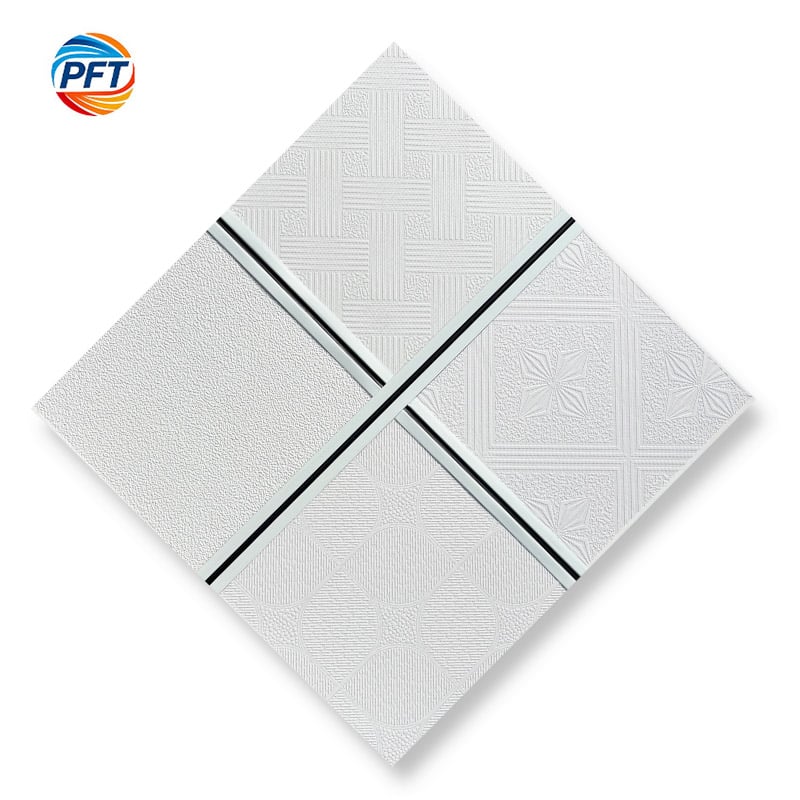
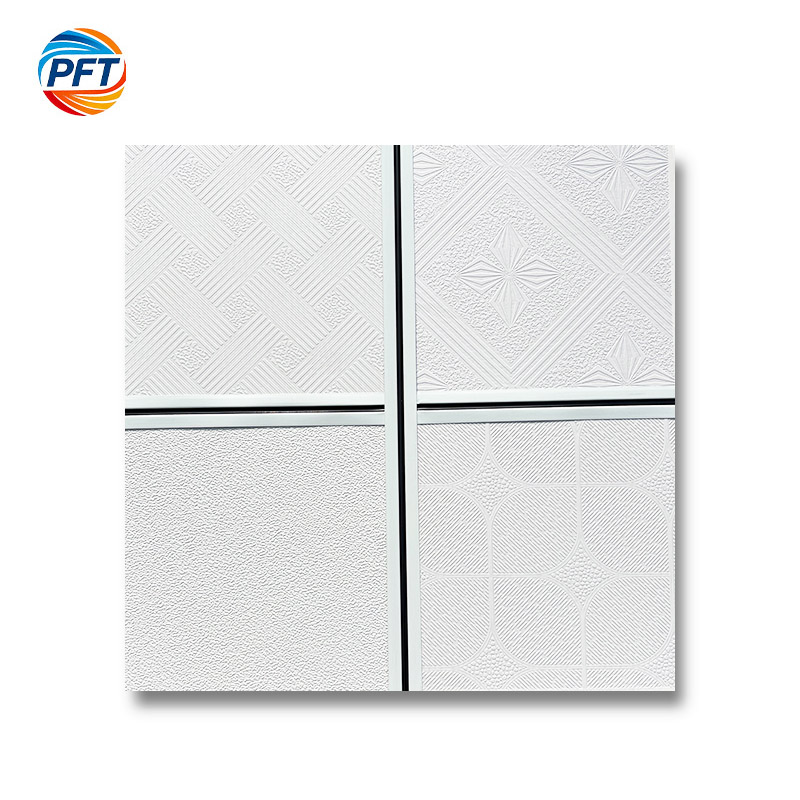
Polyvinyl chloride laminated gypsum commercial building ceiling tiles represent a modern, cost-effective alternative combining the structural benefits of gypsum with moisture-resistant PVC facing. This hybrid commercial building ceiling material excels in environments requiring enhanced water resistance—retail spaces with high humidity, basement facilities, or commercial building ceiling areas near mechanical systems. PVC-laminated gypsum commercial building ceiling tiles cost 40 to 60 percent more than basic mineral fiber but remain significantly cheaper than full metal or specialty commercial building ceiling systems. The superior durability of this commercial building ceiling material justifies higher upfront investment through extended service life and reduced replacement frequency. For facility managers prioritizing performance across mixed-use commercial environments, a PVC-laminated gypsum commercial building ceiling offers compelling cost-effectiveness through reliability and reduced downtime.
Strategic Implementation and Budget Optimization for Commercial Building Ceiling Projects
Phased Installation Approaches to Reduce Commercial Building Ceiling Project Costs
Organizations with limited capital budgets can deploy phased commercial building ceiling replacement strategies, beginning with high-traffic areas and public-facing spaces. A phased commercial building ceiling upgrade spreads costs across multiple fiscal years, maintaining budget flexibility while progressively improving facility aesthetics and performance. Facility managers can prioritize commercial building ceiling replacement in conference rooms and client-facing areas first, deferring replacement in storage or back-office zones where visual presentation carries lower priority. This strategic commercial building ceiling phasing approach maintains business continuity, reduces installation disruption, and allows organizations to adjust specifications based on performance experience gained from earlier phases. When negotiating commercial building ceiling contracts with suppliers, volume commitments across multiple phases often generate additional discounts beyond single-project pricing.
Material and Installation Labor Optimization for Commercial Building Ceiling Work
Labor costs frequently exceed material expenses in commercial building ceiling projects, particularly for complex suspended systems or specialized finishes. Selecting standardized, widely available commercial building ceiling materials reduces installation complexity and accelerates timelines, directly lowering labor expense. Commercial building ceiling systems designed for straightforward grid installation require fewer specialized tools and training than proprietary or custom systems. Obtaining competitive bids from multiple experienced contractors ensures commercial building ceiling labor rates reflect fair market pricing for your geographic region and project scope. Many contractors offer volume discounts for large commercial building ceiling installations or provide reduced rates for projects using standardized materials where training and specialized expertise requirements are minimal.
Maximizing Durability and Long-Term Value in Commercial Building Ceiling Investment
Maintenance Protocols That Extend Commercial Building Ceiling Lifespan
Strategic maintenance significantly extends commercial building ceiling service life and protects cost-effectiveness over time. Regular cleaning prevents dust and debris accumulation that degrades commercial building ceiling materials and reduces acoustic performance. Prompt repair of water damage—a critical concern for any commercial building ceiling—prevents secondary damage and mold growth that can compromise entire sections. Simple measures such as managing humidity levels, addressing roof leaks immediately, and maintaining HVAC system performance protect commercial building ceiling integrity. A formal commercial building ceiling maintenance schedule, documented and assigned to responsible staff members, costs minimal resources but delivers substantial preservation benefits. Organizations implementing systematic commercial building ceiling maintenance realize 20 to 30 percent longer asset lifespan compared to those neglecting routine care.
Design Flexibility in Commercial Building Ceiling Systems
Cost-effective commercial building ceiling solutions need not compromise aesthetic appeal or design flexibility. Modern commercial building ceiling materials available at competitive price points offer diverse color palettes, textured finishes, and acoustic properties suitable for professional environments. Mixing commercial building ceiling material types—using enhanced performance materials in critical zones and standard options in secondary areas—optimizes cost-effectiveness while maintaining visual cohesion. A commercial building ceiling designed for future adaptability, such as systems accommodating easy access for mechanical upgrades or technology installations, reduces reconfiguration costs when organizational needs evolve. Strategic commercial building ceiling planning that balances initial cost with design longevity and flexibility creates spaces that remain functional and attractive for extended periods.
FAQ
What fire safety ratings should a commercial building ceiling meet?
A commercial building ceiling must typically achieve Class A fire ratings (or equivalent per local codes) to comply with building safety standards. Your architect or building official should specify exact ratings required for your jurisdiction and occupancy type. Verify that any commercial building ceiling material you select carries independent testing certifications confirming compliance before purchasing.
How often should a commercial building ceiling be replaced?
A well-maintained commercial building ceiling typically functions effectively for 15 to 20 years, though lifespan varies based on material type, environmental conditions, and maintenance quality. Standard mineral fiber systems may require replacement after 10 to 15 years, while higher-performance commercial building ceiling materials extend useful life to 20 years or beyond. Establishing a replacement timeline at project inception helps budget accurately for eventual upgrades.
Can budget commercial building ceiling materials handle humid environments?
Standard mineral fiber commercial building ceiling tiles perform adequately in normal office humidity but struggle in consistently wet environments. For kitchens, bathrooms, or mechanical rooms, specify moisture-resistant alternatives like PVC-laminated gypsum commercial building ceiling tiles designed specifically for humid conditions, even if material costs increase slightly.
Table of Contents
- Key Factors in Selecting Cost-Effective Commercial Building Ceiling Options
- Material Options for Budget-Conscious Commercial Building Ceiling Installations
- Strategic Implementation and Budget Optimization for Commercial Building Ceiling Projects
- Maximizing Durability and Long-Term Value in Commercial Building Ceiling Investment
- FAQ