 EN
EN


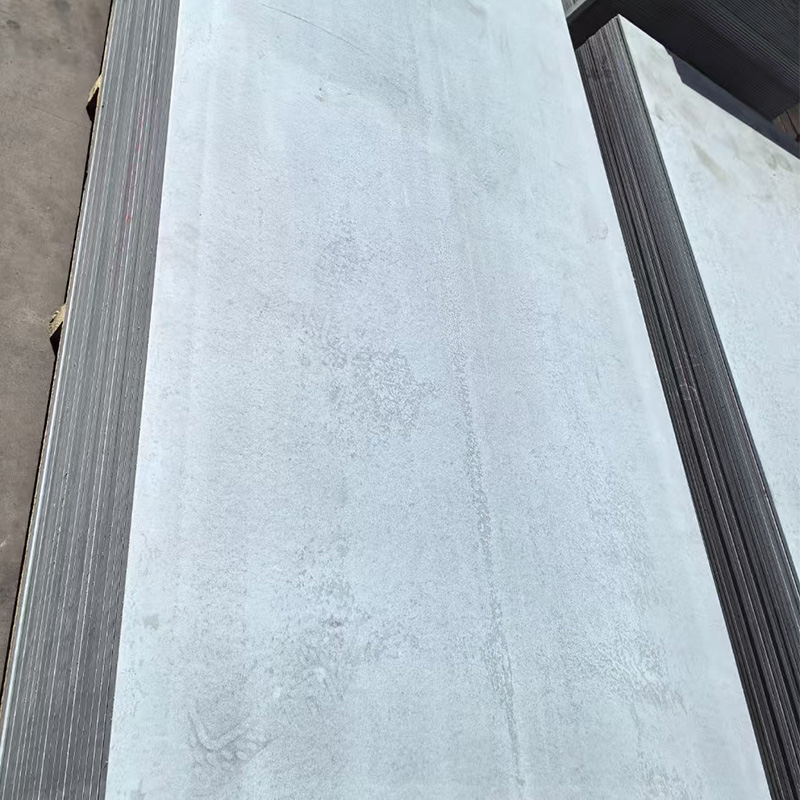
Working with fiber cement board requires careful planning and proper technique to ensure both safety and quality results. Fiber cement board is a durable, non-combustible material widely used in residential and commercial construction for siding, roofing, flooring, and interior applications. However, cutting and installing fiber cement board presents unique challenges that demand specific knowledge and equipment. Understanding the correct methods protects workers from silica dust exposure while ensuring a professional installation that lasts for decades. This guide covers the essential steps to handle fiber cement board safely and effectively.
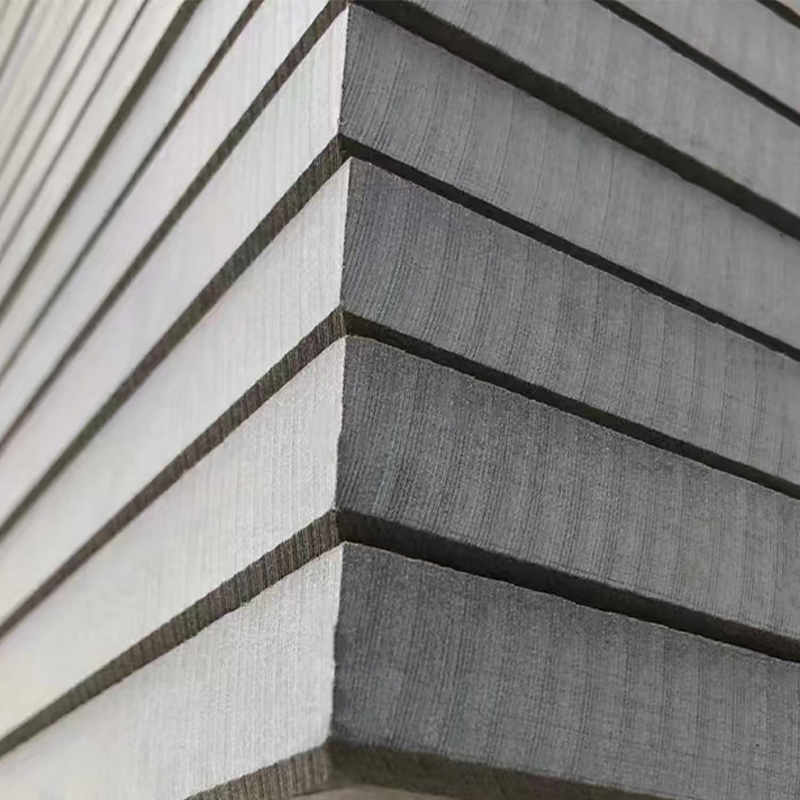
Fiber cement board combines cement, cellulose fibers, and silica materials into a dense, weather-resistant composite. When cut with standard power tools, the material releases crystalline silica dust, a known respiratory hazard. Therefore, proper respiratory protection, dust containment, and cutting techniques are not optional—they are mandatory safety measures. Installing fiber cement board correctly also depends on understanding fastening requirements, spacing considerations, and environmental factors that affect performance.
Essential Safety Equipment for Fiber Cement Board Work
Respiratory Protection and Dust Control
The primary health risk when cutting fiber cement board comes from inhaling crystalline silica dust. A properly rated respirator is the first line of defense. Use a respirator equipped with HEPA filters, specifically designed for silica dust particles. The mask must fit snugly against your face to prevent unfiltered air from bypassing the filter seal. For extended cutting sessions, choose a half-face or full-face respirator rather than a simple dust mask, as these provide superior protection.
Beyond personal respiratory gear, wet cutting methods significantly reduce airborne dust when working with fiber cement board. A wet saw fitted with a diamond blade creates a slurry rather than loose dust, containing particles at the source. If using a dry saw for fiber cement board cutting, attach a vacuum shroud with a HEPA filter to capture dust immediately as it exits the blade. The combination of respiratory protection and wet cutting offers the safest approach to handling fiber cement board materials.
Eye and Skin Protection
Fiber cement board dust irritates eyes and can embed particles in skin. Wear safety glasses with side shields when cutting or handling fiber cement board to protect against flying particles and airborne dust. Consider using a full-face shield for additional coverage, especially during overhead work. Long sleeves and gloves prevent skin contact with dust and minor cuts from sharp edges common on freshly cut fiber cement board pieces.
Hearing protection also matters when using power equipment to cut and install fiber cement board. Wet saws and pneumatic nailers produce noise levels that can exceed safe exposure limits over extended periods. Use earplugs or earmuffs rated for the specific equipment noise profile to prevent long-term hearing damage while working with fiber cement board.
Cutting Fiber Cement Board Correctly and Safely
Tool Selection for Fiber Cement Board Cutting
The right tools make cutting fiber cement board safer and produce cleaner results. A wet saw with a diamond blade is the preferred method for straight cuts in fiber cement board, as the water stream suppresses dust while cooling the blade. For portable work, cordless or corded circular saws fitted with a carbide or diamond blade can cut fiber cement board if equipped with a dust collection shroud. Never use standard wood-cutting blades on fiber cement board, as the abrasive material dulls them quickly and generates excessive heat and dust.
When cutting fiber cement board for curves, a jigsaw with a carbide or diamond grit blade provides control and precision. Handsaws designed for masonry materials also work for fiber cement board but require more physical effort. Grinder angle tools can cut fiber cement board for notches and detailed shapes, though they produce significant dust and require exceptional dust control. For any fiber cement board cutting method, always cut outdoors or in well-ventilated areas to prevent dust accumulation in enclosed spaces.
Cutting Techniques and Procedures
Measure twice and mark cut lines clearly before beginning work on fiber cement board. Use a pencil or marker to draw the cutting line on the surface of fiber cement board. If using a wet saw for fiber cement board, set the blade depth to cut just through the material without unnecessary depth, reducing vibration and dust. Feed the fiber cement board steadily through the blade without forcing it, as uneven pressure creates chatter marks and irregular cuts.
For dry cutting of fiber cement board with a shrouded saw, keep the shroud properly positioned to capture dust as it forms. Make multiple shallow passes rather than one deep cut when possible, which reduces strain on equipment and produces cleaner edges on fiber cement board. After cutting, inspect the edges of fiber cement board for sharpness or splintering. Sand rough edges lightly using fine-grit sandpaper to smooth them safely before handling or installing the fiber cement board piece.
Installation Methods for Fiber Cement Board Safety and Durability
Surface Preparation and Fastening Requirements
Before installing fiber cement board, ensure the substrate is clean, dry, and properly prepared. Any gaps, moisture, or debris beneath fiber cement board compromise the installation and reduce material lifespan. For fiber cement board used on exterior walls, ensure the framing is appropriate for your climate zone and that the fiber cement board has adequate sheathing and air circulation behind it. Interior fiber cement board applications, such as ceiling panels, require different fastening patterns and spacing than exterior applications.
Fastening pattern significantly impacts the performance of installed fiber cement board. Follow manufacturer specifications for nail or screw spacing, typically ranging from 6 to 8 inches on center for perimeter fastening and 12 inches for field fastening when installing fiber cement board. Use galvanized, stainless steel, or composite fasteners specifically rated for fiber cement board to prevent corrosion and material degradation. Overdriving fasteners through fiber cement board can crack or compress the material, so use a depth-control nailing gun or carefully hand-drive fasteners when installing fiber cement board.
Application-Specific Installation Considerations
Installing fiber cement board for exterior siding involves horizontal or vertical applications, each with unique requirements. Horizontal fiber cement board installations require head laps and proper flashing to shed water away from the material. Leave appropriate gaps around doors, windows, and penetrations when installing fiber cement board siding to allow for material expansion from moisture absorption. Vertical fiber cement board installations need edge-blocking at joints and sealed butt joints to prevent water infiltration and subsequent swelling.
Interior fiber cement board ceiling tiles and wall panels have different requirements than exterior applications. When installing fiber cement board ceiling panels, ensure the support structure provides adequate bearing and spacing according to product specifications. Temperature and humidity fluctuations affect fiber cement board dimensions slightly, so allow small expansion gaps around perimeter edges when installing fiber cement board indoors. These adjustments accommodate natural material movement and extend the lifespan of your fiber cement board installation significantly.
FAQ
What is the main health hazard when cutting fiber cement board?
Crystalline silica dust is the primary health hazard when cutting fiber cement board. Inhaling this dust can cause respiratory diseases over time. Using a HEPA-filtered respirator, wet cutting methods, and proper dust collection equipment when working with fiber cement board significantly reduces this risk and protects your long-term health.
Can I use regular wood-cutting tools to cut fiber cement board?
Regular wood-cutting blades are unsuitable for cutting fiber cement board because the abrasive material dulls them rapidly and generates excessive heat. Use carbide-tipped or diamond-blade tools specifically designed for cutting fiber cement board. Wet saws with diamond blades are preferred for straight cuts, while specialized masonry or fiber-specific blades work best with other power tools when cutting fiber cement board.
How do fastening patterns affect fiber cement board installation quality?
Fastening patterns directly influence how well fiber cement board resists movement, warping, and environmental stress. Properly spaced fasteners distribute loads evenly and prevent buckling or cracking of the fiber cement board. Using corrosion-resistant fasteners and following manufacturer spacing recommendations ensures your fiber cement board installation remains stable and durable for the designed service life of the material.