perforated ceiling panels
Perforated ceiling panels represent a modern solution for commercial and residential spaces, offering both aesthetic appeal and functional performance. These specialized panels feature strategically designed holes that create a distinctive visual pattern while serving multiple practical purposes. Perforated ceiling panels are engineered to enhance acoustic properties by absorbing sound waves, making them ideal for office environments, educational institutions, and healthcare facilities where noise control is essential.
The primary function of perforated ceiling panels involves sound absorption and acoustic management. The perforations allow sound energy to penetrate the panel's surface and dissipate through backing materials, significantly reducing noise levels and improving overall acoustic comfort. Beyond acoustics, perforated ceiling panels facilitate better air circulation and light diffusion throughout spaces, contributing to improved indoor air quality and visual comfort.
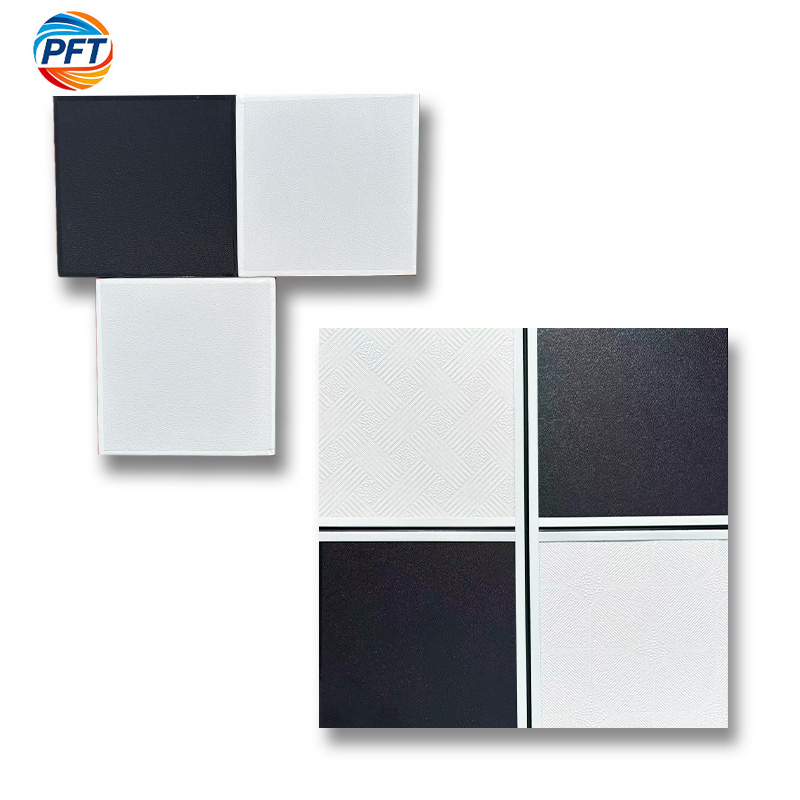
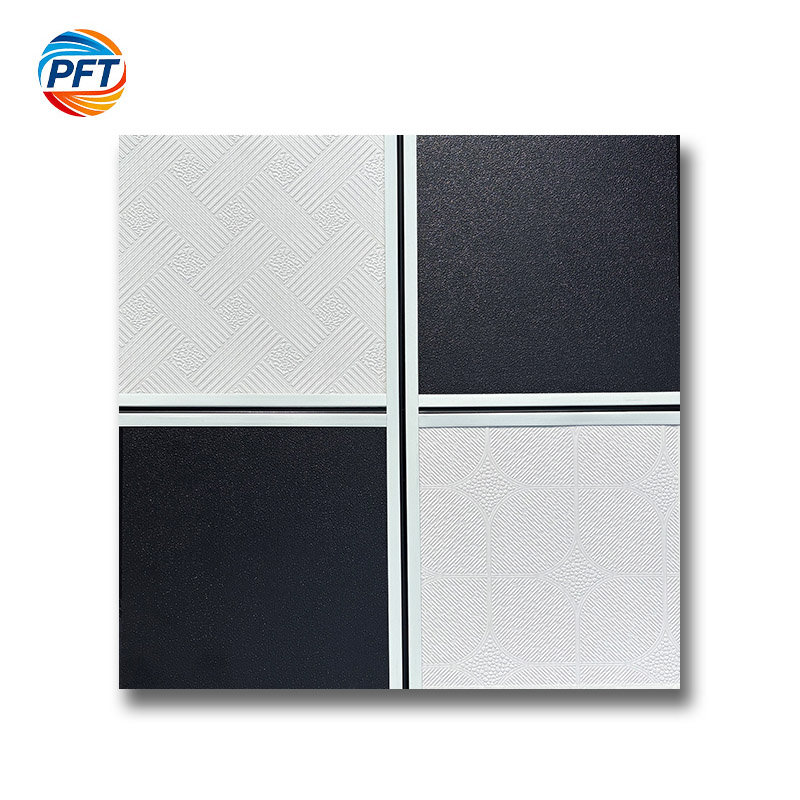
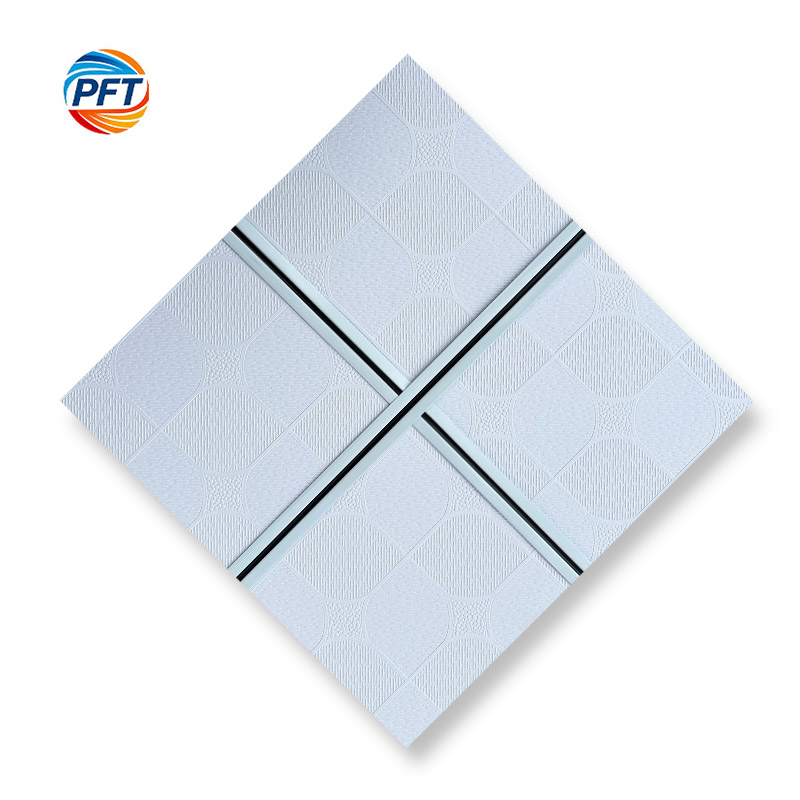
Technologically, perforated ceiling panels are manufactured using various materials, including mineral fiber, fiberglass, and metal, each offering distinct advantages. The perforation patterns are precisely calculated to optimize acoustic performance while maintaining structural integrity. Advanced manufacturing techniques ensure consistent hole sizes and spacing, delivering reliable performance across installations. Many perforated ceiling panels incorporate fire-resistant properties and meet stringent building codes and safety standards.
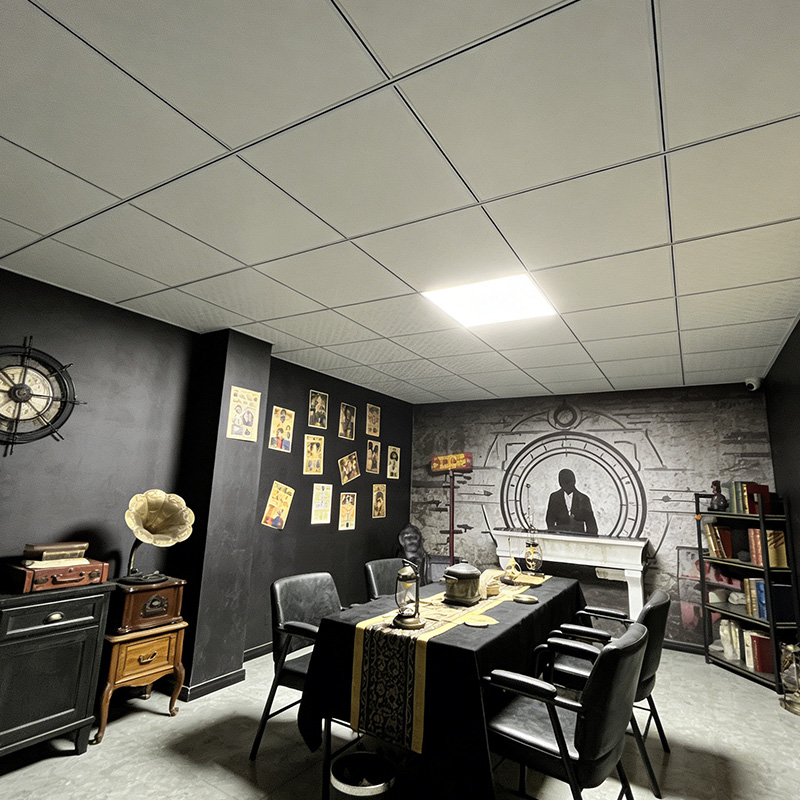
Applications for perforated ceiling panels span diverse sectors. They are widely used in corporate offices to create professional environments with superior sound management. Educational facilities benefit from reduced classroom noise, enhancing student concentration and learning outcomes. Healthcare settings utilize perforated ceiling panels to maintain quiet, healing environments. Retail spaces, restaurants, and hospitality venues employ these panels to create pleasant customer experiences while managing ambient noise effectively.
 EN
EN