 EN
EN



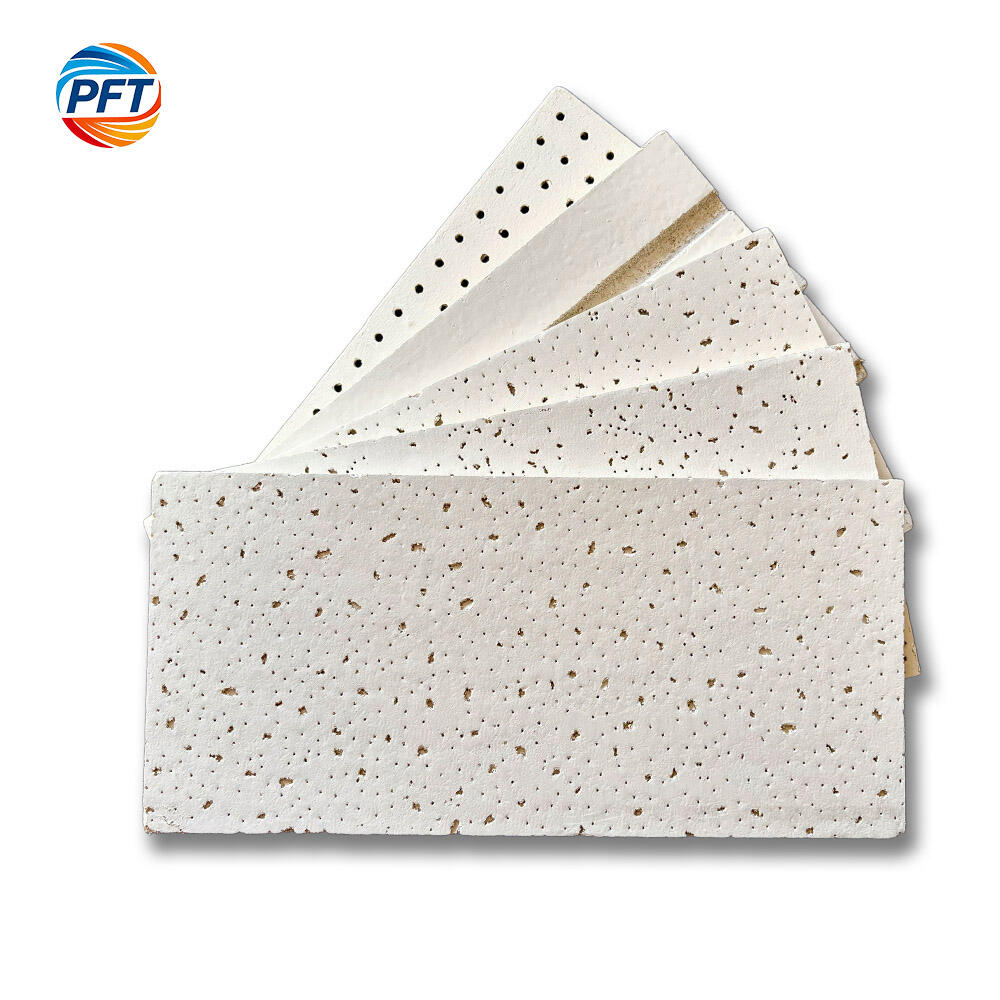
ایک اچھی طرح سے دیکھ بھال کی گئی کمرشل عمارت کی چھت آپ کے سرمایہ کی حفاظت اور قابضین کے لیے ایک پیشہ ورانہ ماحول کو یقینی بنانے کے لیے نہایت ضروری ہے۔ کمرشل عمارت کی چھت کے نظام کو مستقل طور پر اوپر سے پاؤں کے چلنے، ایچ وی اے سی کے عمل، درجہ حرارت کی تبدیلیوں اور مختلف ماحولیاتی عوامل کے باعث منفرد چیلنجز کا سامنا کرنا پڑتا ہے جو ان کی عمر اور کارکردگی کو وقت کے ساتھ خاص طور پر متاثر کر سکتے ہیں۔
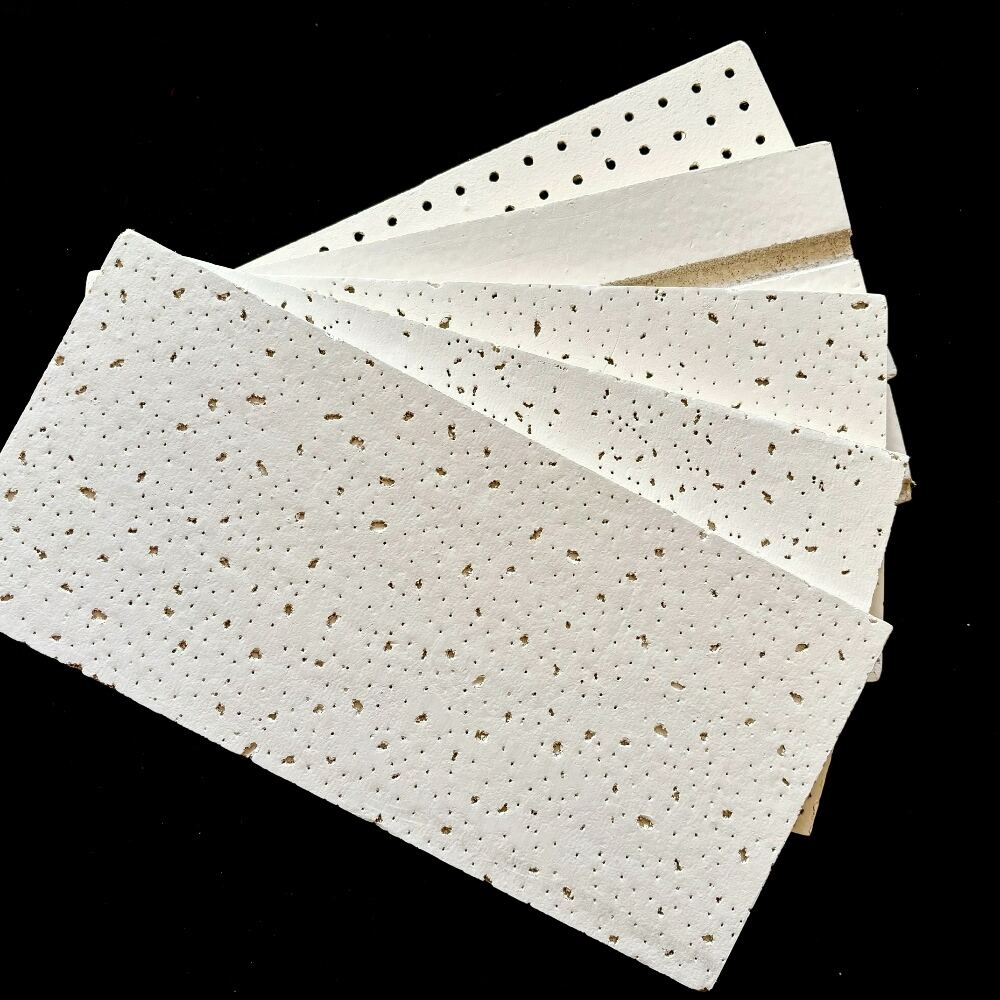
مناسب رکھ راستہ کے اصول آپ کی تجارتی عمارت کی چھت کی عملی عمر کو عام طور پر 10-15 سال سے بڑھا کر 20-25 سال یا اس سے زیادہ تک کر سکتے ہیں، جو استعمال ہونے والے مواد اور ماحولیاتی حالات پر منحصر ہے۔ مختلف قسم کی چھتوں کے لیے مخصوص رکھ راستہ کی ضروریات کو سمجھنا، وقایتی اقدامات نافذ کرنا، اور مسائل کو فوری طور پر دور کرنا وہ اہم عوامل ہیں جو یہ طے کرتے ہیں کہ آپ کی چھت کی سرمایہ کاری اس کے مقررہ مقصد کے دوران زیادہ سے زیادہ قدر فراہم کرتی ہے یا نہیں۔ سروس عمر بڑھاتا ہے۔
تجارتی عمارت کی چھت کی کمزوریوں کو سمجھنا
چھت کی عمر کو متاثر کرنے والے ماحولیاتی عوامل
کمرشل عمارت کے سقف کے نظام مسلسل ماحولیاتی تنگیوں کے عرض میں ہوتے ہیں جو اگر مناسب طریقے سے انتظام نہ کیا جائے تو تخریب کو تیز کر سکتے ہیں۔ دن اور رات کے درمیان درجہ حرارت کی تبدیلیاں سقف کے مواد اور پہنچانے والے آلات پر پھیلنے اور سِکنے کے عمل کو جنم دیتی ہیں۔ غیر مناسب وینٹی لیشن یا ایچ وی اے سی کی خرابی کی وجہ سے زیادہ نمی کی سطح نمی کے جمع ہونے کا باعث بنتی ہے، جس سے لٹکتے ہوئے سقف کے نظاموں میں فطری بوسیدگی اور کیڑوں کے پیدا ہونے کا امکان بڑھ جاتا ہے۔
کمرشل عمارت کی سیلنگ کی دیکھ بھال کی ضروریات پر اندرونی ہوا کی معیار کے مسائل بھی اہم اثر ڈالتے ہیں۔ صنعتی عمل، پکوان کے کام یا زیادہ آبادی کی وجہ سے ہوا میں موجود آلودگی کے ذرات سیلنگ کی سطحوں پر جمع ہو سکتے ہیں، جس کی وجہ سے زیادہ بار بار صفائی کی ضرورت ہوتی ہے اور ممکنہ طور پر مستقل داغ بھی بن سکتے ہیں۔ غیر مناسب تهویہ ان مسائل کو مزید بڑھا دیتی ہے کیونکہ آلودگی کے ذرات کو فلٹر کرنے کے بجائے ہوا کے نظام (HVAC) کے ذریعے مناسب طریقے سے فلٹر کیے جانے کے بجائے وہ جمع ہو کر کیمیائی طور پر کثیف ہو جاتے ہیں۔
سیلنگ سسٹم میں ساختی تناؤ کے نقاط
کمرشل عمارت کی چھت کو سہارا دینے والے گرڈ نظام پر ٹائلز، روشنی کے آلات اور دیگر اندراج شدہ اجزاء کے وزن کی وجہ سے مسلسل دباؤ پڑتا ہے۔ وقتاً فوقتاً، یہ مستقل بوجھ گرڈ کے اراکین کو جھکنے یا تناؤ کی دراڑیں بنانے کا باعث بنتا ہے، خاص طور پر ان وصلی کے نقاط پر جہاں متعدد اجزاء ایک دوسرے سے ملتے ہیں۔ ان اہم علاقوں کا باقاعدہ معائنہ ان ممکنہ ناکامی کے مقامات کو پہچاننے میں مدد دیتا ہے جو پورے چھت کے نظام کو متاثر کرنے سے پہلے ہی نشاندہی کیے جا سکتے ہیں۔
زلزلہ کی سرگرمیاں اور عمارت کا بسیط ہونا بھی کمرشل عمارت کی چھت کی نصب کاری میں منفرد تناؤ کے نمونوں کو پیدا کرتی ہیں۔ حتیٰ کہ عمارت کی معمولی حرکتوں کی وجہ سے بھی گرڈ نظام میں غیر ترتیب پیدا ہو سکتی ہے، جس کی وجہ سے ٹائلز کا مقام تبدیل ہونا، دراڑیں پیدا ہونا یا مکمل حصوں کی ناکامی واقع ہو سکتی ہے۔ ان ساختی حرکیات کو سمجھنا فیسیلیٹی مینیجرز کو علاقائی ماحولیاتی عوامل اور عمارت کی خصوصیات کو مدنظر رکھتے ہوئے مناسب برقراری کے شیڈول تیار کرنے میں مدد دیتا ہے۔
زیادہ سے زیادہ چھت کی عمر کے لیے وقفی برقراری کی حکمت عملیاں
معیاری معائنہ اور جانچ کے پروٹوکول
تجارتی عمارتوں کی چھت کی عمر بڑھانے کے لیے ایک منظم معائنہ کا طریقہ کار قائم کرنا بنیادی اہمیت کا حامل ہے۔ ماہانہ بصیرتی معائنے میں پانی کے داغ، سیلینگ ٹائلز کا رنگ بدل جانا، گرڈ کا جھکنا یا سیلینگ کے اجزاء کے درمیان نمایاں دراڑیں جیسے تباہی کے ابتدائی اشاروں کو شناخت کرنے پر توجہ دینی چاہیے۔ یہ باقاعدہ جانچیں فیسیلیٹی مینیجرز کو چھوٹے مسائل کو وقت رہتے حل کرنے کا موقع فراہم کرتی ہیں، جس سے وہ مہنگے، پورے سسٹم کو متاثر کرنے والے مسائل میں تبدیل ہونے سے روکی جا سکتی ہیں جن کے لیے مکمل سیلینگ کی تبدیلی کی ضرورت پڑ سکتی ہے۔
ماہر ٹیکنیشنز کے ذریعہ سالانہ پیشہ ورانہ جامع معائنے کا انعقاد کرنا چاہیے، جو گرڈ سسٹم کی ساختی مضبوطی کا جائزہ لے سکتے ہیں، ماؤنٹنگ ہارڈ ویئر کی حالت کا اندازہ لگا سکتے ہیں اور ممکنہ حفاظتی خطرات کو شناخت کر سکتے ہیں۔ ان تفصیلی معائنے کے دوران ماہر افراد نظر آنے والی سیلینگ کی سطح کے اوپر کے علاقوں کا معائنہ کرتے ہیں، اور ان مسائل کو چیک کرتے ہیں جو فرش کی سطح سے واضح نہیں ہو سکتے لیکن جو تجارتی عمارت کی سیلینگ کی کارکردگی اور عمر پر سنگین اثر انداز ہو سکتے ہیں۔
پیشگی صفائی اور سطح کی دیکھ بھال
اپنی تجارتی عمارت کی چھت کی قسم کے مطابق ایک باقاعدہ صفائی کا شیڈول نافذ کرنا آلودگی کے جمع ہونے کو روکتا ہے جو مستقل نقصان کا باعث بن سکتی ہے یا چھت کی جلدی ازسرنو تنصیب کی ضرورت پیدا کر سکتی ہے۔ معدنی ریشہ اور آواز کو جذب کرنے والی چھت کی ٹائلز کے لیے، مناسب ایٹیچمنٹس کے ساتھ ہلکا ویکیوم صاف کرنا سطح کے بافت کو متاثر کیے بغیر دھول اور ملبے کو دور کرتا ہے جو آواز کو جذب کرنے کی خصوصیات فراہم کرتا ہے۔
مختلف تجارتی عمارت کی سیلنگ مواد کو ان کی ظاہری شکل اور کارکردگی برقرار رکھنے کے لیے مخصوص صفائی کے طریقوں کی ضرورت ہوتی ہے۔ دھاتی چھتوں کو مناسب صاف کرنے والے محلولوں کے ساتھ باقاعدہ دھونے کی ضرورت ہو سکتی ہے، جبکہ جِپسِم پر مبنی نظاموں کو پانی کے نقصان سے بچانے کے لیے صفائی کے دوران نمی کے بارے میں احتیاط سے کام لینا ضروری ہے۔ ان مواد کے مخصوص تقاضوں کو سمجھنا یقینی بناتا ہے کہ دیکھ بھال کے اقدامات چھت کی کارکردگی کو بہتر بنائیں نہ کہ اس کے مقابلے میں کمزور کریں۔
عام چھت کی دیکھ بھال کے مسائل کا حل
نمی کا انتظام اور نمی کنٹرول
نمی کا داخل ہونا تجارتی عمارتوں کی چھت کی عمر کے لیے سب سے بڑے خطرات میں سے ایک ہے، جو اکثر چھت کے رساو، پلمبنگ کی ناکامی یا اندر کی زیادہ نمی کی سطح کی وجہ سے ہوتا ہے۔ جب نمی کا داخل ہونا ہوتا ہے تو فوری کارروائی ضروری ہوتی ہے تاکہ دیواروں پر کالے دھبوں (فنجائی گروتھ) کے پیدا ہونے، مواد کی خرابی اور عمارت کے رہنے والوں کے لیے ممکنہ صحت کے خطرات کو روکا جا سکے۔ مؤثر نمی کے انتظام کے لیے پانی کے داخل ہونے کے ذریعے کو شناخت کرنا اور فوری طور پر روک تھام کے اقدامات کے ساتھ ساتھ طویل المدتی روک تھام کی حکمت عملیوں کو نافذ کرنا ضروری ہے۔
تجارتی عمارت کے تمام حصوں میں موزوں نمی کی سطح برقرار رکھنا چھت کو نمی سے ہونے والے نقصان سے بچانے کے ساتھ ساتھ رہنے والوں کے آرام اور اندر کی ہوا کی معیار کو بھی بہتر بنانے میں مدد دیتا ہے۔ HVAC نظام کو نسبی نمی کو 30-50 فیصد کے درمیان برقرار رکھنے کے لیے مناسب طریقے سے کیلنڈر کیا جانا چاہیے، تاکہ زیادہ خشکی سے ہونے والی مواد کی دراڑیں اور زیادہ نمی سے ہونے والی فنجائی گروتھ اور تجارتی عمارت کی چھت کے نظام میں مواد کی خرابی دونوں کو روکا جا سکے۔
ٹائل کی تبدیلی اور گرڈ سسٹم کی دیکھ بھال
فردی سیلنگ ٹائل اکثر ٹائلز کی تبدیلی کی ضرورت ہوتی ہے کیونکہ زیادہ آمدورفت والے تجارتی ماحول میں نقصان، داغ یا عام استعمال کے نشانات پیدا ہو جاتے ہیں۔ مطابقت رکھنے والی ٹائلز کا ایک ذخیرہ برقرار رکھنا یقینی بناتا ہے کہ مرمت کو فوری طور پر مکمل کیا جا سکے بغیر تجارتی عمارت کی چھت کی یکسان ظاہری شکل کو متاثر کیے بغیر۔ ٹائلز کی تبدیلی کے دوران، اردگرد کے گرڈ سسٹم اور ملحقہ ٹائلز کا معائنہ کریں تاکہ نقصان یا پہننے کے نشانات کو پہچان سکیں جو وسیع تر دیکھ بھال کی ضرورت کی نشاندہی کر سکتے ہوں۔
گرڈ سسٹم کی دیکھ بھال میں سسپنشن تار کنکشنز کی جانچ اور مضبوطی کو یقینی بنانا، مرکزی رنرز اور کراس ٹیز کی مناسب ترتیب کو برقرار رکھنا، اور خراب یا زنگ لگے ہوئے گرڈ اجزاء کی تبدیلی شامل ہے۔ گرڈ سسٹم کی باقاعدہ دیکھ بھال تدریجی جھکاؤ کو روکتی ہے جو ٹائلز کی جگہ تبدیل ہونے کا باعث بن سکتا ہے اور تجارتی عمارت کی چھت کی انسٹالیشن کی مجموعی سالمیت کو متاثر کر سکتا ہے۔
پیشہ ورانہ دیکھ بھال کی خدمات اور شیڈولنگ
پیشہ ورانہ چھت کے ٹھیکیداروں کو کب شامل کرنا چاہیے
جبکہ روزمرہ کی دیکھ بھال کے کام اکثر سہولیات کی دیکھ بھال کرنے والے عملے کے ذریعے انجام دیے جا سکتے ہیں، تاہم تجارتی عمارتوں کی چھت کی دیکھ بھال کے کچھ پہلوؤں کے لیے حفاظت اور موثریت کو یقینی بنانے کے لیے ماہرین کی مہارت درکار ہوتی ہے۔ ساختی جائزہ، بجلی یا HVAC کے ساتھ منسلک بڑی مرمتیں، اور چھت کے اوپری سطح تک رسائی کی ضرورت والے کاموں کو ہمیشہ مناسب تربیت اور سند یافتہ اہل ماہرین کے ذریعے انجام دینا چاہیے۔
پیشہ ورانہ دیکھ بھال کی خدمات خاص طور پر بڑی تجارتی سہولیات کے لیے قیمتی ثابت ہوتی ہیں جہاں چھت کے نظام وسیع رقبے پر محیط ہوتے ہیں یا ان میں روشنی، اسپرینکلر سسٹم، یا خاص تربیت یافتہ تهویہ کے آلات جیسے پیچیدہ اور متعدد اجزاء شامل ہوتے ہیں۔ یہ ماہرین نظام کی مجموعی حالت کا موثر طریقے سے جائزہ لے سکتے ہیں، وقایتی اقدامات کی سفارش کر سکتے ہیں، اور دیکھ بھال کے افعال کو منصوبہ بندی کر کے کاروباری سرگرمیوں میں رُکاوٹ کو کم سے کم رکھ سکتے ہیں، جبکہ تجارتی عمارتوں کی چھت کی کارکردگی اور عمر کو زیادہ سے زیادہ بڑھایا جا سکتا ہے۔
جامع دیکھ بھال کے شیڈول تیار کرنا
کمرشل عمارتوں کے سیلنگ سسٹم کے لیے ایک مؤثر رکھ راستہ تیار کرنا، وقافی دیکھ بھال کے اقدامات، آپریشنل ضروریات اور بجٹ کی پابندیوں کے درمیان توازن قائم کرنے پر منحصر ہے۔ سہ ماہی رکھ راستہ میں تفصیلی بصیرتی معائنہ، رسائی کے قابل سطحوں کی صفائی اور چھوٹی مرمتیں جیسے ٹائل کی تبدیلی یا گرڈ کی ایڈجسٹمنٹ شامل ہونی چاہیے۔ نصف سالانہ سرگرمیوں میں زیادہ جامع صفائی، ماہرین کے ذریعہ معائنہ اور ایکسائز سسٹمز کا جائزہ لینا شامل ہو سکتا ہے۔
سالانہ رفتار کے منصوبوں میں جامع پیشہ ورانہ جائزہ، بڑے پیمانے پر صفائی کے اعمال، اور ضروری اپ گریڈز یا تبدیلیوں کے لیے منصوبہ بندی شامل ہونی چاہیے۔ اس منظم نقطہ نظر سے یہ یقینی بنایا جاتا ہے کہ رفتار کے اعمال مناسب فاصلے پر کیے جائیں تاکہ نظام کی خرابی کو روکا جا سکے اور کمرشل آپریشنز میں غیر ضروری خلل نہ پڑے۔ تمام رفتار کے اعمال کی دستاویزی شکل سے تجارتی عمارتوں کی چھت کے مختلف علاقوں کی کارکردگی کا تعین کیا جا سکتا ہے اور وہ الگ الگ طرزِ عمل کو پہچانا جا سکتا ہے جو نظام کی ترمیم یا اپ گریڈ کی ضرورت کی نشاندہی کرتے ہوں۔
چھت کی لمبی عمر کے لیے لاگت موثر طریقے
چھت کی رفتار کے لیے بجٹ کی منصوبہ بندی
کمرشل عمارت کی چھت کی دیکھ بھال کے لیے حقیقی بجٹ تیار کرنا، روزانہ کی دیکھ بھال کے اخراجات اور ممکنہ بڑی مرمت کے اخراجات دونوں کو سمجھنے پر منحصر ہے۔ فیسیلیٹی مینیجرز کو چھت کی اصل نصب کاری کی لاگت کا تقریباً 2-4 فیصد سالانہ دیکھ بھال کے اقدامات کے لیے مختص کرنا چاہیے، جبکہ پرانے نظاموں یا مشکل ماحولیاتی حالات کے لیے اس تناسب میں اضافہ مناسب ہو سکتا ہے۔ یہ پیشگی بجٹنگ کا طریقہ کار موخر شدہ دیکھ بھال کو روکتا ہے جو اکثر لمبے عرصے میں بہت زیادہ اخراجات کا باعث بنتا ہے۔
لاگت موثر دیکھ بھال کے اصول موجودہ کمرشل عمارت کی چھت کے اجزاء کی خدمتی عمر کو بڑھانے پر زور دیتے ہیں، بجائے اکثر اکثر ان کی تبدیلی کے۔ معیاری صفائی کے آلات میں سرمایہ کاری، مناسب تبدیلی کے ٹائلز کا اسٹاک برقرار رکھنا، اور فیسیلیٹی کے عملے کو مناسب دیکھ بھال کے طریقوں پر تربیت دینا اکثر اُن ردِ عمل کے مرمتی طریقوں کے مقابلے میں بہتر سرمایہ کاری کا واپسی فراہم کرتا ہے جو مسائل کو صرف تب تک حل کرتے ہیں جب وہ سنگین ہو جائیں۔
دیکھ بھال کی شدت اور نظام کی عمر کے درمیان توازن
کمرشل عمارت کی چھت کے نظام کے لیے رکھ راستہ کو اس کی عمر اور موجودہ حالت کے مطابق ترقی دینی چاہیے۔ نئے نظاموں کو بنیادی طور پر روک تھامی دیکھ بھال کی ضرورت ہوتی ہے جس میں صفائی اور چھوٹی چھوٹی ایڈجسٹمنٹس پر زور دیا جاتا ہے، جبکہ پرانے نظاموں کو زیادہ شدید رکھ راستہ کی ضرورت ہو سکتی ہے جس میں اجزاء کی تبدیلی اور ساختی جانچ شامل ہو۔ اس ترقی کو سمجھنا فیسیلیٹی مینیجرز کو رکھ راستہ کے اخراجات کو بہتر بنانے اور آخرکار نظام کی تبدیلی کے لیے منصوبہ بندی کرنے میں مدد دیتا ہے۔
جب کمرشل عمارت کے چھت کے نظام اپنی متوقع سروس لائف کے قریب پہنچ جاتے ہیں تو رکھ راستہ کی حکمت عملی کو زندگی بڑھانے سے تبدیلی کی منصوبہ بندی کی طرف منتقل کرنا چاہیے۔ اس انتقالی دور کے دوران مرمت کے اخراجات اور تبدیلی کے فوائد کا غور و خوض احتیاط سے کرنا ضروری ہے، جس میں توانائی کی بچت میں بہتری، جدید آگ کی حفاظت کے تقاضوں اور جدید چھت کے نظاموں میں دستیاب بہتر آواز کے اثرات جیسے عوامل کو مدنظر رکھا جانا چاہیے۔
فیک کی بات
میری کمرشل عمارت کی چھت کا معائنہ کتنی بار کرنا چاہیے؟
کمرشل عمارت کے سیلنگ سسٹم کا ماہانہ بصری معائنہ فیسیلیٹی اسٹاف کے ذریعہ کرنا چاہیے تاکہ پانی کے دھبوں، جگہ سے ہٹائی گئی ٹائلز، یا واضح نقصان جیسے واضح مسائل کی شناخت کی جا سکے۔ اس کے علاوہ، ساختی مضبوطی، گرڈ سسٹم کی حالت، اور مجموعی کارکردگی کا جائزہ لینے کے لیے ماہرین کے ذریعہ سالانہ جامع معائنہ کرنا چاہیے۔ زیادہ آمدورفت والے علاقوں یا مشکل ماحولیاتی حالات والی فیسیلیٹیز کے لیے ماہرین کے ذریعہ مزید بار بار جائزہ لینے کی ضرورت ہو سکتی ہے۔
میری کمرشل سیلنگ کو مرمت کی ضرورت ہونے کے سب سے عام اشارے کون سے ہیں؟
آپ کی تجارتی عمارت کی چھت کے رکھ رکھاؤ کی ضرورت کے اہم اشارے میں ٹائلز پر پانی کے داغ یا رنگت کا تبدیل ہونا، گرڈ کے ڈھیلے حصوں کا جھکنا، چھت کے اجزاء کے درمیان خالی جگہیں، نمایاں سانپ اور دلیا کا بڑھنا، اور اس قسم کی دھول یا گندگی کا جمع ہونا شامل ہیں جو عام صفائی کے باوجود دور نہیں کی جا سکتی۔ اس کے علاوہ، چھت کے علاقے سے غیر معمولی آوازیں، ٹائلز کا جگہ بدلنا، یا آواز کے معیار میں تبدیلی بھی ماہرین کی طرف سے جانچ اور رکھ رکھاؤ کی ضرورت کی نشاندہی کرتی ہے۔
کیا میں خود چھت کے رکھ رکھاؤ کا کام کر سکتا ہوں یا مجھے ماہرین کو ملازمت دینی چاہیے؟
بنیادی دیکھ بھال کے کام جیسے سطح کی صفائی، الگ الگ ٹائلز کی تبدیلی، اور بصری معائنہ عام طور پر مناسب حفاظتی سامان کا استعمال کرتے ہوئے تربیت یافتہ سہولت کے عملے کے ذریعہ انجام دیے جا سکتے ہیں۔ تاہم، ساختی جائزہ، بجلی یا HVAC نظاموں سے متعلق کام، بڑی مرمتیں، اور چھت کے اوپر رسائی کی ضرورت والے کسی بھی کام کو حفاظت کو یقینی بنانے اور آپ کے تجارتی عمارت کی چھت کے نظام کی وارنٹی کے دائرہ کار کو برقرار رکھنے کے لیے اہل پیشہ ور افراد کے ذریعہ انجام دینا چاہیے۔
اچھی طرح سے دیکھ بھال کی گئی تجارتی عمارت کی چھت کی اوسط عمر کیا ہے؟
ایک مناسب طریقے سے دیکھ بھال کی گئی تجارتی عمارت کی چھت عام طور پر 15 تا 25 سال تک چلتی ہے، جو استعمال ہونے والے مواد، ماحولیاتی حالات اور دیکھ بھال کی معیار پر منحصر ہوتی ہے۔ معدنی ریشہ اور آواز کو جذب کرنے والی ٹائل کے نظام عام طور پر باقاعدہ دیکھ بھال کے ساتھ 15 تا 20 سال تک خدمات فراہم کرتے ہیں، جب کہ دھاتی چھت کے نظام 20 تا 25 سال یا اس سے زیادہ عرصہ تک چل سکتے ہیں۔ مستقل وقایتی دیکھ بھال، چھوٹے مسائل کی فوری مرمت اور مناسب ماحولیاتی کنٹرول ان عام حدود سے بھی زیادہ خدمات کی عمر کو نمایاں طور پر بڑھا دیتے ہیں۔