 EN
EN


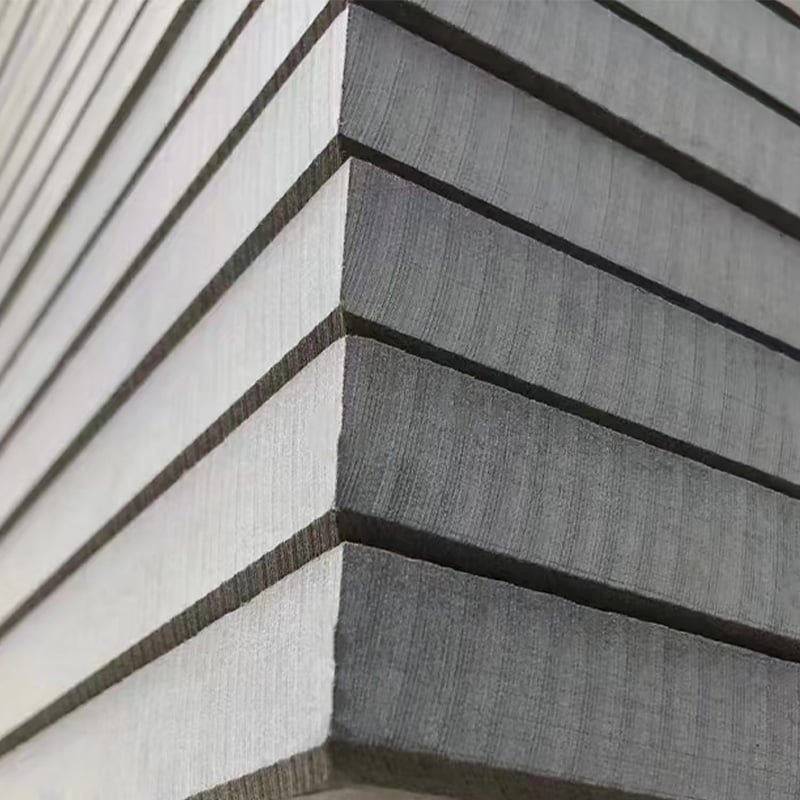
The fire-resistant properties of calcium silicate board make it one of the most reliable building materials in modern construction and industrial applications. When safety regulations demand materials that can withstand extreme temperatures and prevent flame spread, calcium silicate board consistently delivers superior performance. This engineered composite material combines mineral composition with advanced manufacturing techniques to create a barrier that protects structures, occupants, and valuable assets from fire hazards.
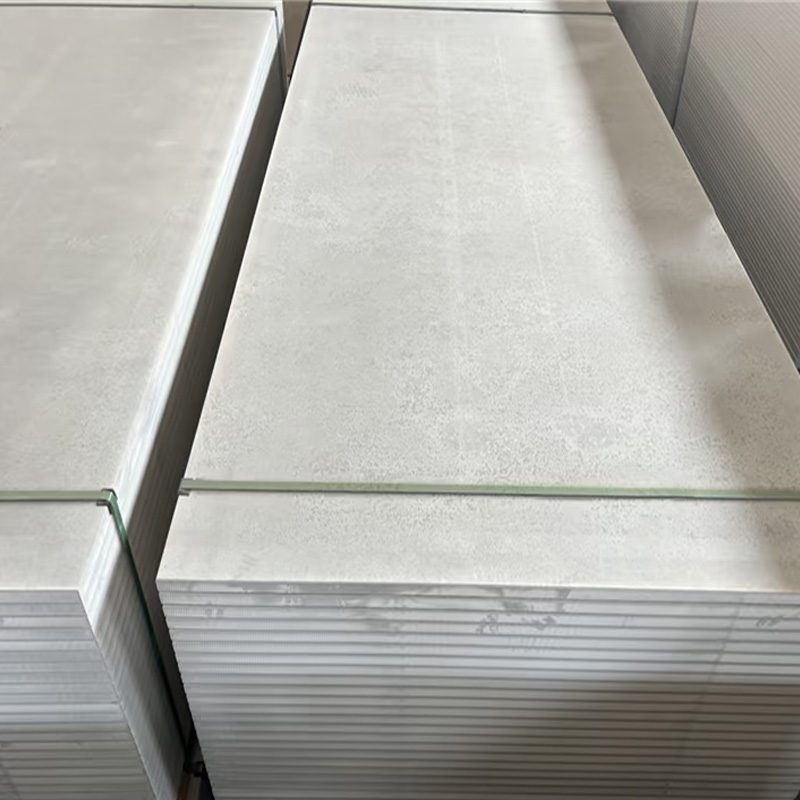
Understanding how calcium silicate board achieves its fire-resistance characteristics helps architects, engineers, and facility managers make informed decisions about material selection. The composition and manufacturing process of calcium silicate board create inherent non-combustible properties that exceed many building codes and safety standards. Unlike materials that require chemical additives or coatings to achieve fire-resistance, calcium silicate board provides integrated protection throughout its entire structure, ensuring consistent performance even after years of exposure to moisture, temperature fluctuations, and aging.
Understanding Fire-Resistant Composition
Material Structure and Non-Combustible Nature
The calcium silicate board achieves exceptional fire-resistance through its fundamental mineral-based composition. Calcium silicate board contains no organic binders that would fuel combustion, eliminating the primary mechanism that allows traditional materials to burn. The crystalline structure of calcium silicate board consists of calcium oxide, silicon dioxide, and reinforcement fibers that create a dense, inorganic matrix. This composition means that calcium silicate board will not ignite, spread flames, or produce toxic smoke when exposed to high temperatures, meeting non-combustible classification standards required in demanding environments.
Thermal Stability and Melting Point
Calcium silicate board maintains structural integrity at temperatures far exceeding those found in typical fires. The melting point of calcium silicate board ranges between 1200 to 1400 degrees Celsius, while standard building fires rarely exceed 900 degrees Celsius. This thermal margin means that calcium silicate board remains solid and functional well beyond the duration of most fire events. The calcium silicate board does not soften, warp, or release hazardous fumes during heat exposure, providing predictable and reliable fire containment.
Fire-Resistance Performance Standards
Regulatory Compliance and Certification
Calcium silicate board meets or exceeds the most stringent international fire-resistance classifications. When tested according to standardized fire-resistance protocols, calcium silicate board consistently achieves Class A fire ratings, indicating it contributes minimally to fire growth and produces minimal smoke. The calcium silicate board classification demonstrates compliance with building codes in North America, Europe, and Asia-Pacific regions. Insurance companies and safety inspectors recognize calcium silicate board as a trusted material because its non-combustible properties are inherent rather than dependent on surface treatments or coatings that may degrade over time.
Flame Spread and Smoke Development
Calcium silicate board exhibits zero or near-zero flame spread ratings in standardized fire tests. The calcium silicate board does not contribute fuel to advancing flames, preventing the rapid fire propagation that occurs with combustible materials. Smoke development from calcium silicate board remains negligible because the material contains no volatile organic compounds or chemical residues that generate heavy smoke. This performance characteristic of calcium silicate board is particularly critical in evacuation scenarios where smoke visibility directly affects occupant safety and escape route accessibility. The calcium silicate board maintains these properties consistently regardless of age or prior environmental exposure.
Industrial and Commercial Applications
Commercial Building Protection Systems
Commercial facilities deploy calcium silicate board in fire-rated wall systems, shaft enclosures, and ceiling assemblies where building codes demand proven fire-resistance. Calcium silicate board protects structural steel from direct flame exposure, maintaining column and beam integrity during fire events. Office buildings, hospitals, and commercial centers rely on calcium silicate board to compartmentalize fire zones and create safe evacuation paths. The calcium silicate board installation in sprinkler room enclosures, mechanical rooms, and electrical closets provides passive fire protection that operates without any mechanical systems or maintenance requirements.
Industrial Facility Fire Containment
Heavy industrial environments with high-temperature processes benefit from the durability and fire-resistance of calcium silicate board. Manufacturing plants use calcium silicate board in oven, kiln, and furnace enclosures where materials face continuous thermal stress. The calcium silicate board withstands repeated heating and cooling cycles without degradation or performance loss. Chemical processing facilities employ calcium silicate board for equipment insulation and fire barriers because the material does not react with aggressive industrial chemicals. Transportation and logistics centers incorporate calcium silicate board in storage compartments and protective assemblies where fire prevention is economically critical.
Specialized Protection Scenarios
Data centers and server rooms specify calcium silicate board for fire-rated enclosure systems that protect sensitive equipment while maintaining temperature control. The calcium silicate board allows coordinated suppression systems to function effectively by containing heat and slowing fire progression. Pharmaceutical and research laboratories use calcium silicate board to separate hazardous material storage areas from occupied spaces. The thermal performance characteristics of calcium silicate board provide reliable protection in scenarios where conventional fire barriers would be inadequate or excessively expensive to implement.
Installation and Long-Term Performance
Durability Against Environmental Factors
Calcium silicate board resists moisture absorption and dimensional changes that would compromise fire-rating integrity in damp environments. The calcium silicate board maintains its fire-resistance properties in basements, mechanical rooms, and outdoor protected applications where humidity levels fluctuate significantly. Mold and biological growth do not affect calcium silicate board because the inorganic mineral composition provides no nutrient substrate. The calcium silicate board does not require additional protective coatings or sealants to maintain its fire-resistance classification over decades of service life.
Installation Consistency and Maintenance Requirements
Proper calcium silicate board installation ensures fire-resistance performance meets design specifications. Contractors must follow manufacturer guidelines for sealing joints and fastening systems to maintain compartmentalization integrity. The calcium silicate board requires no routine maintenance, testing, or recertification to retain its fire-protection capability. Unlike spray-applied fireproofing that deteriorates with vibration or age, calcium silicate board maintains consistent performance without monitoring or rejuvenation treatments. Inspection protocols for calcium silicate board focus on verifying installation integrity rather than material condition assessments.
FAQ
Does calcium silicate board require special handling or installation techniques?
Calcium silicate board installation follows standard construction practices with attention to joint sealing and fastener spacing to maintain fire compartmentalization. The calcium silicate board can be cut, drilled, and fitted using conventional tools without specialized equipment. Most contractors experienced with gypsum board systems can efficiently install calcium silicate board once familiar with fastening requirements specific to this material. Proper joint treatment ensures that the fire-rating of calcium silicate board assemblies is maintained and certified.
How long does the fire-resistance of calcium silicate board last?
The calcium silicate board maintains its fire-resistance properties indefinitely because the non-combustible mineral composition does not degrade with age or environmental exposure. Unlike organic materials that oxidize or break down chemically over time, calcium silicate board becomes more stable and established in place. The calcium silicate board fire-ratings established during manufacturing remain valid for the entire service life of the building structure. Regular inspection confirms installation integrity, but the material itself requires no replacement or rejuvenation to preserve fire-protection capability.
Can calcium silicate board be combined with other materials in fire-rated assemblies?
Yes, calcium silicate board integrates effectively into multi-layer fire-rated wall and ceiling assemblies designed to specific fire-rating requirements. The calcium silicate board works with insulation, gypsum board, and structural components in tested and approved assembly configurations. Design engineers specify calcium silicate board thickness, positioning, and complementary materials based on required fire-rating duration. The calcium silicate board performance remains consistent when properly installed within system designs validated through third-party fire testing protocols.