Premium Acoustic Ceiling Materials - Advanced Sound Control Solutions for Commercial & Residential Spaces

Get a Free Quote

Our representative will contact you soon.
Email
Name
Company Name
Message
0/1000

acoustic ceiling materials

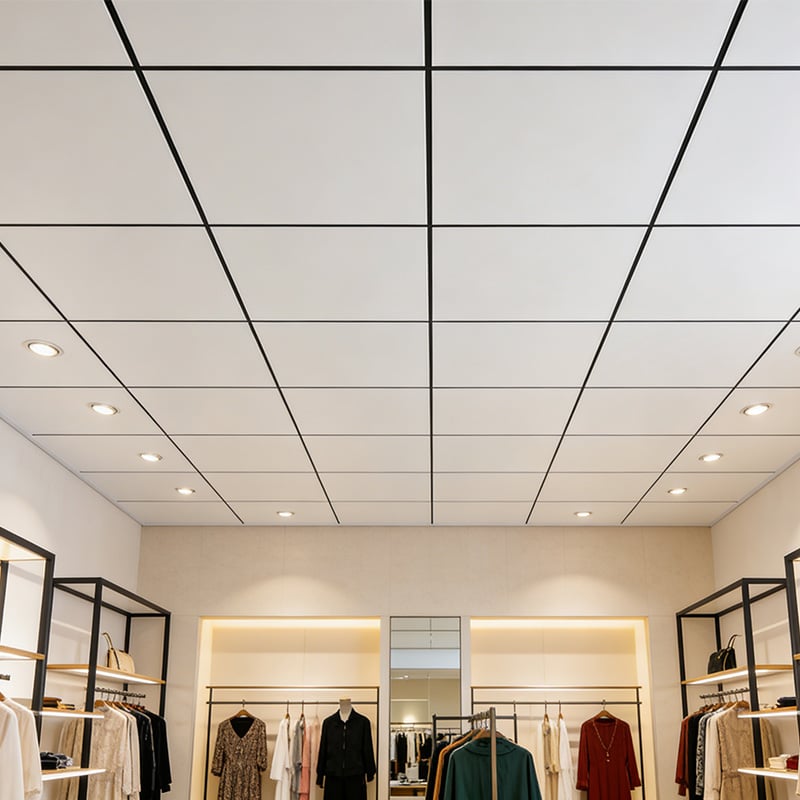
Acoustic ceiling materials represent a sophisticated solution for controlling sound transmission and enhancing interior environments across various applications. These specialized materials serve three primary functions: sound absorption, noise reduction, and reverberation control within enclosed spaces. The core technology behind acoustic ceiling materials involves engineered structures that capture and dissipate sound waves, preventing them from bouncing back into the room and creating unwanted echoes or excessive noise levels. Modern acoustic ceiling materials utilize advanced manufacturing techniques to create micro-perforated surfaces, fibrous compositions, and cellular structures that effectively trap sound energy. The technological features of these materials include varying density levels, porosity coefficients, and surface textures designed to target specific frequency ranges. Many acoustic ceiling materials incorporate recycled content and sustainable manufacturing processes, making them environmentally responsible choices for construction projects. The installation process typically involves mounting these materials to ceiling frameworks using specialized hardware systems that maintain both structural integrity and optimal acoustic performance. Applications for acoustic ceiling materials span numerous sectors including commercial offices, educational institutions, healthcare facilities, entertainment venues, recording studios, and residential spaces where noise control is essential. In office environments, these materials create quieter workspaces that enhance productivity and reduce employee stress. Educational facilities benefit from improved speech intelligibility and reduced background noise that can interfere with learning. Healthcare settings utilize acoustic ceiling materials to create healing environments where patient recovery is supported by peaceful, quiet atmospheres. The versatility of acoustic ceiling materials allows architects and designers to incorporate them into aesthetic ceiling designs while maintaining their functional benefits, ensuring that form and function work together seamlessly in modern interior design applications.

New Product Releases

Acoustic ceiling materials deliver significant benefits that directly impact comfort, productivity, and overall building performance. These materials dramatically reduce noise pollution by absorbing unwanted sounds before they can travel throughout a space, creating quieter environments that promote concentration and well-being. Property owners experience improved energy efficiency when acoustic ceiling materials are combined with insulation properties, helping to regulate temperature while simultaneously managing sound levels. The installation of acoustic ceiling materials increases property value by enhancing the quality of interior environments and meeting modern building standards for noise control. Maintenance requirements remain minimal, as most acoustic ceiling materials resist moisture, mold, and mildew while maintaining their performance characteristics over extended periods. Cost savings accumulate over time through reduced need for additional soundproofing measures and lower energy consumption in climate-controlled buildings. The versatility of acoustic ceiling materials allows them to complement various architectural styles while providing consistent performance across different room sizes and configurations. Health benefits include reduced stress levels, improved sleep quality in residential applications, and enhanced communication clarity in commercial settings. These materials contribute to LEED certification points and other green building standards, supporting sustainability goals while delivering practical noise control solutions. Installation flexibility enables retrofitting existing buildings without major structural modifications, making acoustic ceiling materials accessible for renovation projects with budget constraints. Fire resistance properties in many acoustic ceiling materials enhance building safety while maintaining acoustic performance, providing dual functionality that meets strict building codes. The wide range of available textures, colors, and patterns ensures that acoustic ceiling materials can match design preferences without compromising their sound absorption capabilities. Professional environments benefit from improved confidentiality and privacy when acoustic ceiling materials prevent sound transmission between adjacent spaces. The durability of modern acoustic ceiling materials ensures long-term performance without frequent replacement or repair, making them cost-effective solutions for both new construction and renovation projects seeking reliable noise control systems.

Latest News

The Development Of New Building Materials And Products Is A Requirement Of The Sustainable Development Strategy

04

Mar

The Development Of New Building Materials And Products Is A Requirement Of The Sustainable Development Strategy

View More
Industry Rising Star: PVC Gypsum Ceiling Tile Leads Prefabricated Interior Decoration Into the Era of

04

Mar

Industry Rising Star: PVC Gypsum Ceiling Tile Leads Prefabricated Interior Decoration Into the Era of "Move-In Ready"

View More
PVC Gypsum Ceiling Tile: The

04

Mar

PVC Gypsum Ceiling Tile: The "Industrial Revolution" of the Renovation Industry Reshapes the Landscape of a Hundred-Billion-Dollar Wall Market

View More

Get a Free Quote

Our representative will contact you soon.
Email
Name
Company Name
Message
0/1000

acoustic ceiling materials

Superior Sound Absorption Technology

Superior Sound Absorption Technology

The advanced sound absorption technology incorporated in acoustic ceiling materials represents a breakthrough in noise control engineering that transforms how spaces manage unwanted sound transmission. These materials utilize scientifically designed structures that capture sound waves through multiple mechanisms, including friction conversion, viscous losses, and impedance matching that effectively neutralizes noise pollution. The cellular composition of acoustic ceiling materials creates thousands of tiny air pockets that trap sound energy and convert it into minimal amounts of heat, preventing reverberation and echo formation that can make spaces uncomfortable or unusable. Manufacturing processes employ precision techniques to achieve optimal porosity levels that target specific frequency ranges, ensuring comprehensive noise reduction across the entire audible spectrum. The surface geometry of acoustic ceiling materials includes micro-perforations, textured patterns, and graduated density zones that enhance sound absorption performance while maintaining aesthetic appeal. Installation orientation and spacing calculations maximize the effectiveness of acoustic ceiling materials by creating ideal angles and distances for sound wave interception. Quality testing procedures verify that acoustic ceiling materials meet stringent performance standards measured in Noise Reduction Coefficients and Sound Absorption Average ratings that quantify their effectiveness. The technology behind acoustic ceiling materials continues advancing through research in nanotechnology applications, smart materials integration, and adaptive systems that respond to changing acoustic environments. Long-term performance studies demonstrate that acoustic ceiling materials maintain their sound absorption capabilities throughout their service life, providing consistent noise control that building occupants can rely on year after year. The scientific principles governing acoustic ceiling materials ensure predictable results that allow architects and acoustic consultants to design spaces with confidence in achieving targeted noise levels and reverberation times.
Exceptional Durability and Low Maintenance Requirements

Exceptional Durability and Low Maintenance Requirements

Acoustic ceiling materials demonstrate remarkable durability characteristics that ensure decades of reliable performance while requiring minimal maintenance intervention throughout their operational lifespan. The robust construction of acoustic ceiling materials incorporates high-quality fibers, binding agents, and protective coatings that resist common sources of deterioration including moisture exposure, temperature fluctuations, and mechanical stress. Manufacturing standards for acoustic ceiling materials include rigorous testing protocols that verify resistance to sagging, warping, and dimensional changes that could compromise both appearance and acoustic performance over time. The non-combustible properties of many acoustic ceiling materials provide additional safety benefits while maintaining structural integrity in various environmental conditions, ensuring long-term reliability in critical applications. Surface treatments applied to acoustic ceiling materials create protective barriers against dust accumulation, staining, and microbial growth while preserving their sound absorption characteristics and visual appearance. Installation methods for acoustic ceiling materials utilize secure mounting systems that distribute weight evenly and accommodate building movement without compromising attachment points or creating maintenance issues. Regular inspection requirements for acoustic ceiling materials remain minimal due to their stable performance characteristics, reducing ongoing operational costs and building management responsibilities. The cleanability of acoustic ceiling materials allows for simple maintenance procedures using standard cleaning equipment and methods, eliminating the need for specialized tools or hazardous chemicals. Replacement procedures for individual acoustic ceiling materials components can be accomplished without disturbing adjacent installations, minimizing disruption and labor costs when localized repairs become necessary. Warranty coverage for acoustic ceiling materials typically extends for substantial periods, reflecting manufacturer confidence in product longevity and performance consistency. The environmental stability of acoustic ceiling materials ensures that their acoustic properties remain constant despite exposure to humidity variations, temperature changes, and normal building operations that can affect other ceiling materials.
Versatile Design Integration and Aesthetic Flexibility

Versatile Design Integration and Aesthetic Flexibility

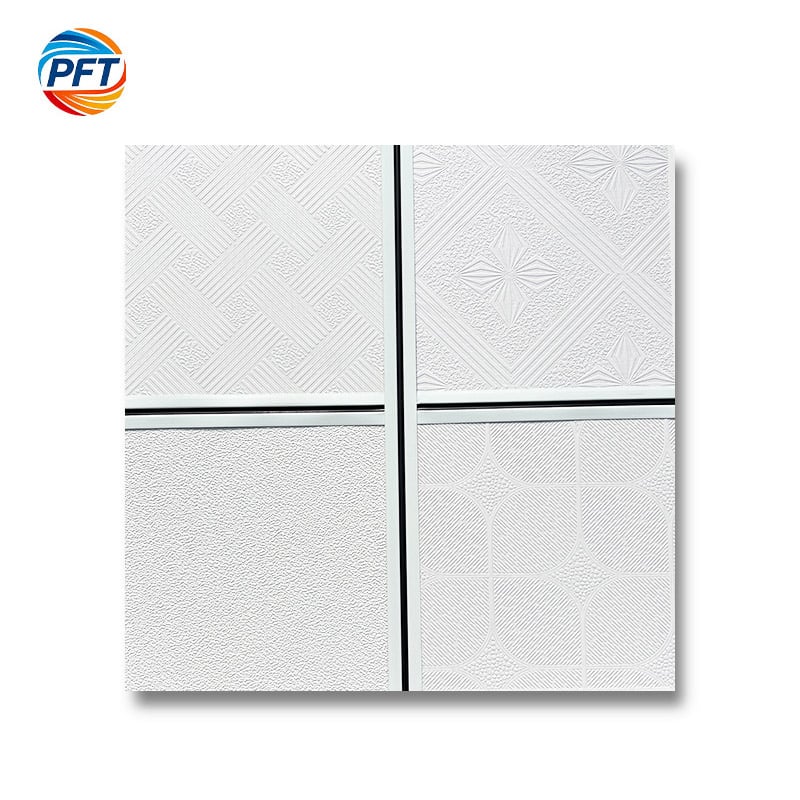
The design versatility of acoustic ceiling materials enables seamless integration into diverse architectural styles while maintaining superior acoustic performance that enhances both form and function in modern interior environments. Contemporary acoustic ceiling materials are available in extensive ranges of colors, textures, patterns, and finishes that complement existing design schemes or create striking focal points that contribute to overall aesthetic goals. Customization options for acoustic ceiling materials include special shapes, sizes, and configurations that accommodate unique architectural features, curved surfaces, and complex ceiling geometries without compromising sound absorption effectiveness. The lightweight characteristics of acoustic ceiling materials facilitate creative suspended ceiling designs, floating panels, and artistic installations that would be impractical with heavier traditional materials. Surface printing technologies allow acoustic ceiling materials to display custom graphics, corporate branding, or decorative patterns while retaining their primary noise control functions, creating multifunctional design elements. Edge treatments and joining systems for acoustic ceiling materials provide clean, professional appearances that meet exacting architectural standards for commercial and institutional applications. Integration capabilities enable acoustic ceiling materials to work harmoniously with lighting systems, HVAC components, and other ceiling-mounted equipment while maintaining accessible service points. The modular nature of many acoustic ceiling materials simplifies future modifications, expansions, or reconfigurations that may be required as building uses evolve or space requirements change. Color consistency and fade resistance properties ensure that acoustic ceiling materials maintain their intended appearance throughout their service life, protecting the long-term visual investment in interior design projects. Installation flexibility allows acoustic ceiling materials to be incorporated into both new construction and renovation projects with equal effectiveness, adapting to existing structural conditions and design constraints. The compatibility of acoustic ceiling materials with various ceiling grid systems and mounting methods provides architects with multiple options for achieving desired visual effects while optimizing acoustic performance for specific applications and user requirements.