materyales para sa kisame ng panlabas na silong
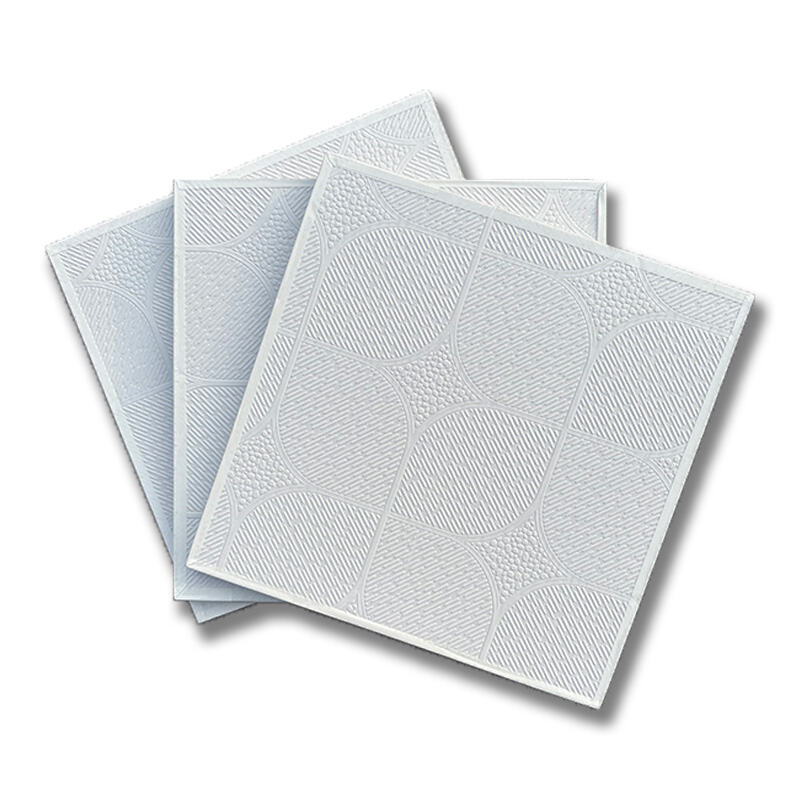
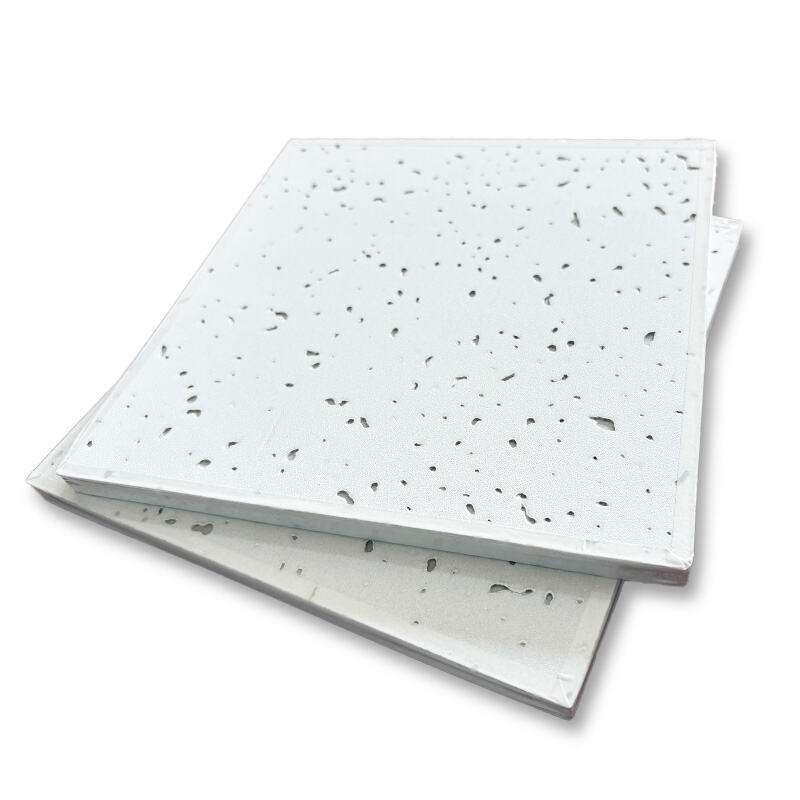
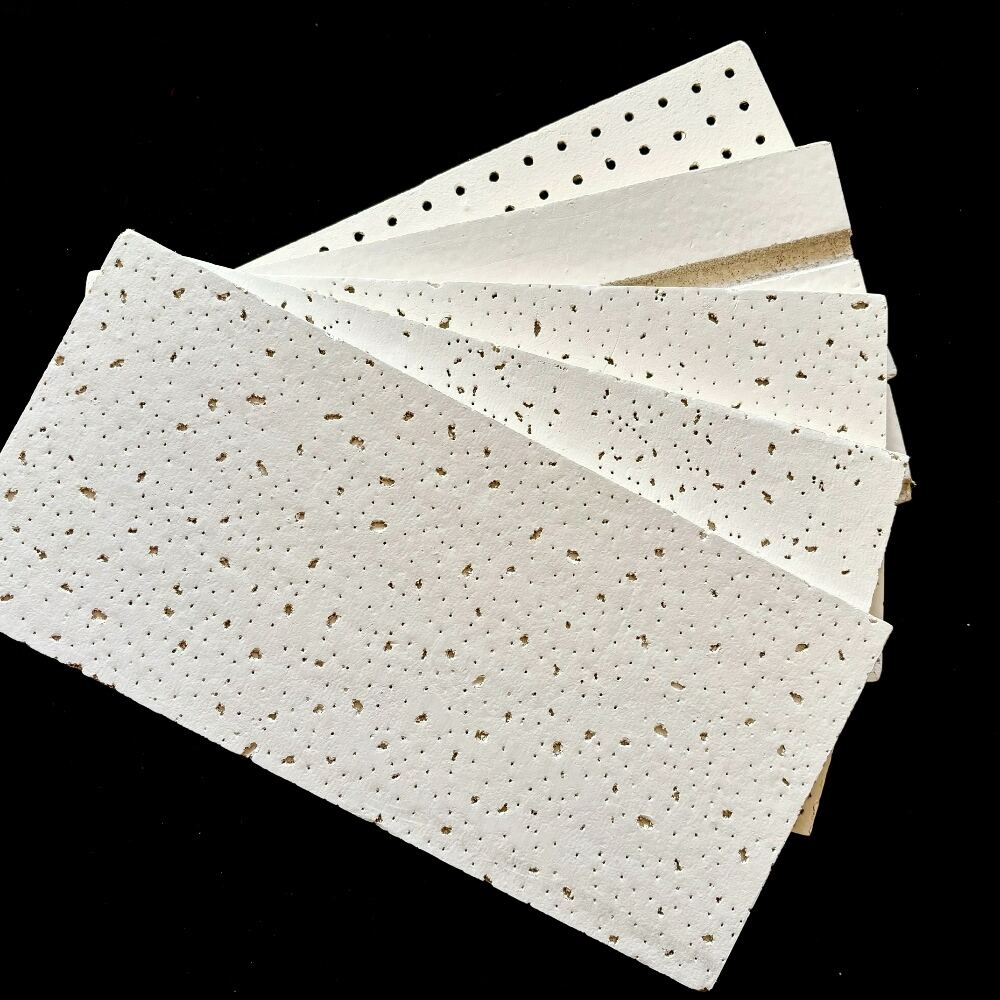
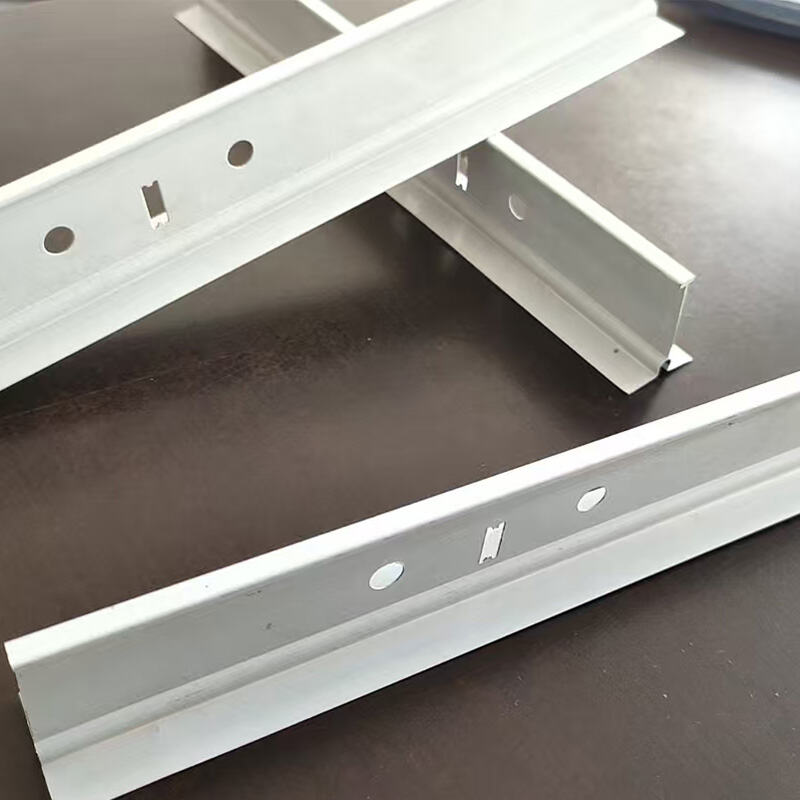
Ang materyal na ginagamit sa kisame ng panlabas na silong ay isang mahalagang bahagi ng konstruksyon para sa tirahan at komersyal na gusali, na nagsisilbing protektibong hadlang sa pagitan ng iyong takdang espasyo sa labas at ng mga elemento sa itaas. Ang espesyalisadong materyal na ito sa paggawa ng gusali ay kinabibilangan ng iba’t ibang opsyon tulad ng vinyl, aluminum, fiber cement, kahoy, at composite materials, kung saan ang bawat isa ay idinisenyo upang tumagal sa mga kondisyon sa labas habang pinapanatili ang estetikong kaakit-akit. Ang pangunahing tungkulin ng materyal na ito sa kisame ng panlabas na silong ay lumalampas sa simpleng takip—nagbibigay ito ng mahalagang proteksyon laban sa pagsusulot ng kahalumigmigan, pagbabago ng temperatura, at pinsalang dulot ng panahon na maaaring masira ang istruktural na integridad ng balangkas ng iyong silong. Ang modernong materyal na ginagamit sa kisame ng panlabas na silong ay kasama ang mga napapanahong teknolohikal na katangian tulad ng mga coating na laban sa kahalumigmigan, mga pigmentong stable sa UV, at mga katangiang thermal expansion na sumasakop sa mga pagbabago ng panahon nang walang pumuputok o lumilibot. Madalas na mayroon ang mga materyal na ito ng mga nakaimbak na sistema ng bentilasyon na nagpapahintulot sa sirkulasyon ng hangin, na nagpipigil sa pag-akumula ng kondensasyon at binabawasan ang panganib ng pagbuo ng amag o mold sa mga nakasara o nakatakpan na bahagi ng silong. Ang proseso ng pag-install ay kadalasang kasama ang pag-sekure ng mga panel o tabla sa mga umiiral na ceiling joists gamit ang mga espesyal na fastener na idinisenyo para sa mga aplikasyon sa labas. Kasama sa mga modernong opsyon ng materyal para sa kisame ng panlabas na silong ang mga sistema na may tongue-and-groove na gumagawa ng seamless na mga sambungan, na nagpipigil sa pagsusulot ng tubig habang pinapanatili ang visual na pagkakaisa sa buong ibabaw ng kisame. Ang mga aplikasyon ng materyal na ito ay sumasaklaw sa mga panlabas na silong ng tirahan, komersyal na daanan, gazebo, pavilion, at takdang patio kung saan ang proteksyon laban sa panahon ay lubhang mahalaga. Ang proseso ng pagpili ng materyal ay isinasaalang-alang ang mga salik tulad ng kondisyon ng klima, mga pangangailangan sa pagpapanatili, mga limitasyon sa badyet, at mga kagustuhan sa istilo ng arkitektura. Ang de-kalidad na materyal para sa kisame ng panlabas na silong ay nagbibigay ng pangmatagalang halaga sa pamamagitan ng nababawasan ang mga pangangailangan sa pagpapanatili, pagpapaganda ng kabuuang anyo ng ari-arian, at mas mahusay na proteksyon sa istruktura. Ang propesyonal na pag-install ay nagtiyak ng tamang alignment, sapat na bentilasyon, at secure na paraan ng pag-attach na sumusunod sa lokal na mga code sa paggawa ng gusali at sa mga tukoy na direktris ng tagagawa para sa optimal na pagganap at habambuhay.
 ×
×
 EN
EN