 EN
EN



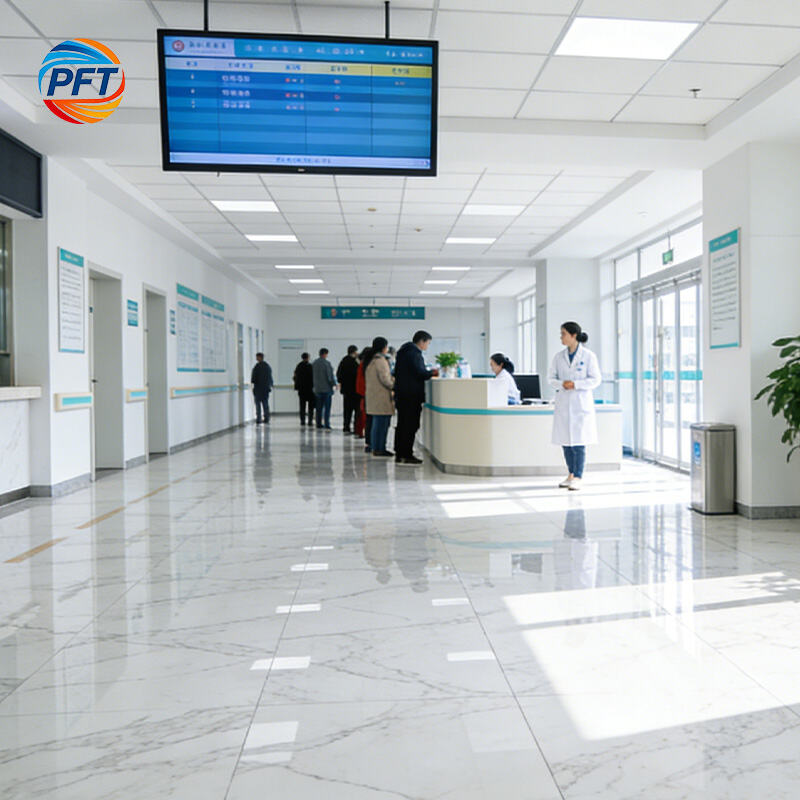
Kuchagua mzigo sahihi suluhisho kwa miradi ya biashara linahitaji kuzingatia makini utendaji, ubunifu na thamani ya muda mrefu. Wakati wa kuchunguza chaguo kwa mahali pa biashara ya kisasa, PVC na gypsum kipande cha Mzigo hutoa suluhisho la kuvutia ambacho kinaunganisha uwezo wa kudumu wa PVC na uimara wa muundo wa gypsum. Kitu hiki cha kichanganyiko kinatatua changamoto zinazotokana na mazingira ya biashara wakati huo huo kinatoa ubunifu unaohitajika katika mahali ya kiprofesha.

Uchaguzi wa vitu vya kufunga juu ya vyumba vya biashara unahusisha kusawazisha sababu nyingi za teknolojia na za uzuri. Kuelewa jinsi ya kupima chaguo za vichipu vya kufunga juu ya PVC na gypsum husaidia mradi wako kufikia utendaji bora katika upungufu wa upepo, usalama dhidi ya moto, sifa za sauti, na mahitaji ya udhambulizi. Mchakato huu wa kuchagua kwa ujumla unasaidia wafanyikazi wa majengo, wataalamu wa utengenezaji, na wafanyabiashara kuchagua kwa makini ili kufanana na mahitaji ya mradi kwa sasa na malengo ya uendeshaji kwa muda mrefu.
Kuelewa Kipande cha Mzigo wa Pembe ya Gypsum ya PVC Uundwa na Faida
Uundwa wa Kitu na Uhandisi
Uundaji wa kipekee wa kipande cha jengo cha pvc na gypsum cha juu kinajumuisha muda wa gypsum na uso wa lamineti ya PVC ambayo inalinda. Uundaji wa nguzo mbili huu unatoa ustabili wa kifahamu cha ubora wa kifahamu cha gypsum kwa kutumia sifa za upungufu wa maji na uwezo wa kubakia kwa muda mrefu za kipando cha PVC. Muda wa gypsum unadumisha sifa nzuri za kupinga moto, wakati uso wa PVC linazima kuingizwa kwa maji na kufanya utaratibu wa kusafisha kuwa rahisi.
Mchakato wa uzalishaji wa kipande cha jengo cha pvc na gypsum cha ubora cha juu unahusisha tekniki za kushirikiana kwa usahihi ambazo zinahakikisha kushirikiana kwa muda mrefu kati ya msingi wa gypsum na uso wa PVC. Uzito wa nguzo zote mbili unasababisha tabia za utendaji, na daraja la biashara la kawaida linajumuisha muda ya gypsum yenye uzito wa 9mm hadi 15mm. Lamineti ya PVC huwa na uzito wa 0.3mm hadi 0.5mm, ikutoa ulinzi unaofaa bila kuharibu sifa za kipande cha kuwa mfupi kwa uzito.
Uthabiti wa joto unawakilisha asili muhimu nyingine ya utendaji wa vifungo vya mizi ya PVC na gypsum. Hii nyenzo inaendelea kuwa na uwezo wa kudumisha ukubwa wake katika vikomo vya joto vya majengo ya biashara ya kawaida, ikizima changamoto za kuzunguka au kuvuruga ambazo zinaweza kuharibu uhai wa mizi. Uthabiti huu wa joto unafanya nyenzo hili liwe salama kwa mahali yoyote yenye mabadiliko ya joto, ikiwemo eneo karibu na vifaa vya HVAC au kuta za nje.
Faida za Utendaji katika Matumizi ya Biashara
Uwezo wa kupinga unyevu ni faida kuu ya vifungo vya mizi vya PVC na gypsum kuliko bidhaa za ubao wa gypsum za kawaida. Uso wa PVC unajenga kizuizi dhidi ya unyevu, uji, na mafuta ya maji yanayotokana mara kwa mara, ikifanya kifungo hiki kisaidie katika mifereji ya biashara, vyoo, na mazingira mengine ambayo yana unyevu wa juu. Uwezo huu wa kupinga unazima matatizo ya kawaida kama vile kushuka, kuchafua, na kukua kwa fungi ambazo zinaweza kuharibu mizi ya gypsum ya kawaida.
Utekelezaji wa usalama dhidi ya moto unawakilisha faida ya kuzidi, kwa sababu ya msingi wa jini la gipsi unayotunza viwango vya daraja la A la moto ambavyo vinahitajika katika matumizi ya biashara nyingi. Safu ya uso la PVC inachukuliwa kwa matumizi maalum ili kuhakikisha kwamba inafikia mahitaji ya upungufu wa moto bila kuchanganya uwezo wote wa usalama. Uunganisho huu unaruhusu vipande vya juu vya pvc gypsum kujifunga na mahitaji ya kanuni za jengo wakati inatoa uwezo wa kusimamia kwa muda mrefu.
Utendaji wa sauti unabadilika kulingana na u thicknes wa vipande na njia ya kusakinisha. Vipande vya kawaida vya juu vya pvc gypsum vinatoa uchunguzi wa sauti wa wastani, na viwango vya Koeffisienti ya Kupunguza Sauti (NRC) vinavyotokana mara nyingi na 0.50 hadi 0.70. Kwa eneo linalohitaji udhibiti wa sauti uliozidi, toleo lililopasuka linatoa uchunguzi bora zaidi wa sauti wakati linahifadhi uwezo wa kupunguza unyevu na faida za kusafisha rahisi za uso la PVC.
Viyako vya Kuchagua Kwa Miradi ya Biashara
Mahitaji ya Mazingira na Utendaji
Kiwango cha uwezekano wa kuchukuliwa kwa unyevu katika nafasi yako ya biashara kinaathiri moja kwa moja maamuzi ya kuchagua vile vya mabawa ya PVC na gypsum. Mazingira ya unyevu wa juu kama vile mahusiano ya biashara ya kuosha, eneo la mbao, au vituo vya huduma za chakula vinahitaji vile vya mabawa yenye barabara za unyevu zilizojengwa vizuri na miamba iliyofungwa ili kuzuia kuingia kwa maji. Mazingira ya ofisi ya kawaida yanaweza kutumia vile vya mabawa vya kawaida vinavyoingia kwenye unyevu, wakati matumizi ya kipekee yanaweza hitaji vile vya mabawa vilivyopatikana na matibabu ya kuzuia viwango vya bakteria kwenye uso.
Mahitaji ya usalama dhidi ya moto yanabadilika kulingana na aina ya jengo, daraja la watumiaji, na kanuni za jengo za eneo hilo. Zaidi ya matumizi ya biashara yanahitaji vitu vya mabawa vya kipindi cha moto cha 25 au chini na vipimo vya kuvutia moto chini ya 450. Vile vya mabawa vya PVC na gypsum bora huweza kufikia viwango hivi, lakini uhakiki kwa kutumia hati sahihi unahakikisha kufuata kanuni. Miradi katika vituo vya afya, taaluma, au majengo ya watumiaji wengi yanaweza kuwa na mahitaji ya ziada ya upinzani dhidi ya moto.
Uwezo wa kupambana na kemikali unakuwa muhimu katika nafasi za biashara zinazopatwa na wakala wa kusafisha, dawa za kuzima vimelea, au uvumbuzi wa viwanda. Uso wa PVC wa vichwa vya jengo vya ubora hupambana na uvurugu kutokana na bidhaa za kusafisha za biashara zinazotumika kwa wingi, lakini uvurugu maalum wa kemikali unaweza kutahitaji mchanganyiko uliofanikiwa zaidi. Kuelewa aina za kemikali zinazotumika katika matumizi ya kawaida ya utunzaji husaidia kuamua matumizi ya usambazaji wa uso na maelezo ya vitu.
Majadiliano ya Uzuri na Uundaji
Chaguo za uso la vichwa vya jengo vya PVC na gypsum vinavyotumika kwenye dakika vinavyoanza kutoka kwa uso lisilo na miamba na linalopaintiwa hadi kwa miamba iliyoundwa ili kujumuisha mtindo tofauti wa jiwe la jengo. Uso lisilo na miamba linatoa uwezo wa kusafisha kwa urahisi na umbo la kisasa unaofaa kwa nafasi za biashara za kisasa, wakati uundaji wa miamba unaweza kusaidia kuficha vibaya vidogo na kutoa hamu ya kuvutia kwa macho katika mazingira ya kihistoria. Uthabiti wa rangi chini ya mfumo wa nuru ya biashara hukuhakikisha uwezo wa kudumu wa uzuri wa kihistoria.
Maelezo ya mpaka na mfumo wa pungufu huathiri siafu ya maonekano na utendaji wa vichwa vilivyopandwa kipande cha Mzigo wa Pembe ya Gypsum ya PVC mfumo. Vitile vya pembe ya mraba huzalisha mifumo ya grid ya safi na ya kisasa yenye ufanisi katika mazingira ya ofisi, wakati pembe zilizopangwa kwa kuchukua au pembe za hatua zinatoa mistari ya kivuli ambayo inaongeza kina cha ki-kiarchitectural. Mifumo ya grid iliyofichwa yanayotumia pembe maalum za kufanya kazi huzalisha matokeo ya usio na mishale kwa matumizi ya biashara ya juu.
Thamani za uwezo wa kupindua nuru huathiri ufanisi wa nishati na ubora wa nuru katika eneo la kazi. Safu nyeupe zenye uwezo wa kupindua nuru kwa kiasi kikubwa huzidisha ufanisi wa nuru ya kisasa, wakati safu za rangi au za muundo zinaweza kujaza nuru zaidi lakini zinatoa athari za uzuri zinazotarajiwa. Kuelewa uhusiano kati ya uwezo wa kupindua nuru wa jengo la juu na ubunifu wa nuru husaidia kuboresha ufanisi wa nishati na urahisi wa kuona katika eneo la biashara.
Mapambo ya Kiufundi na Viwajibikaji vya Ubora
Mahitaji ya Ukubwa na Ya Muundo
Ukubwa wa kawaida wa vifurushi vya mabawa ya pvc na gypsum kwa ajili ya biashara huifuata kawaida za mfumo wa gridi ya kiolezo, na vipimo vya kawaida vikijumuisha 600x600 mm, 610x610 mm, na umbizo wa 24x24 inci. Uzito wa vifurushi huvutia uwezo wa kisasa na matokeo ya kiuonekane, na chaguo linavyokuwa kutoka kwa 9 mm kwa matumizi ya msingi hadi 15 mm kwa uwezo bora zaidi wa kusimama na uwezo bora zaidi wa kusikiliza sauti. Kuzingatia uzito unaweza kuhusu mahitaji ya mfumo wa gridi, na uzito wa kawaida unavyokuwa kutoka kwa 8 hadi 12 kg kwa mita za mraba.
Mipangilio ya usawa wa mpaka na uvumbuzi wa vipimo vinahakikisha kuwa vifurushi vimefungwa vizuri ndani ya mfumo wa gridi ya mabawa yaliyochukuliwa. Vifurushi vya kibora vya pvc na gypsum vya mabawa vinahifadhi uvumbuzi wa vipimo katika ±1.5 mm kwa urefu na upana, na mabadiliko ya uzito chini ya ±0.5 mm. Mipangilio hii inazima matatizo ya kufunga na inahakikisha matokeo ya kiuonekane yanayofanana kote katika eneo la mabawa lililokubwa ambalo linatumika mara nyingi katika miradi ya biashara.
Mahitaji ya kusukuma kwa kifurushi inategemea maelezo ya mtandao wa dakika na sababu za mazingira kama vile tofauti za shinikizo la hewa kutokana na mfumo wa HVAC. Kipande cha dakika cha gypsum chenye PVC kinaweza kusaidia mahitaji ya kawaida ya kusukuma kwa mtandao, lakini mahali penye harakati kubwa za hewa au yale yanayohitaji uangalizi zaidi kuhusu migogoro inaweza hitaji mfumo wa usaidizi uliobolewa zaidi au maelezo maalum ya usaidizi wa mpaka.
Usadhihi wa Ubora na Viashiria vya Jaribio
Viashiria vya ubora wa kimataifa kwa vipande vya dakika vya gypsum chenye PVC viwemo ASTM C1396 kwa bao la gypsum na viashiria mbalimbali vya lamineti ya PVC. Viashiria hivi hitegemeza mahitaji ya chini ya utendaji kwa upinzani wa moto, uvutaji wa maji, na ustahili wa ukubwa. Uthibitisho wa sahihi wa usajili una uhakika kwamba vitu vimekisaidia mahitaji ya mradi na sheria za jengo.
Vyeti vya mazingira vinazidi kuwa muhimu kwa miradi ya kibiashara inayofuatilia ukadiriaji wa majengo ya kijani. Mifumo ya uzalishaji mdogo wa hewa chafu husaidia kufikia viwango vya ubora wa hewa ya ndani vinavyohitajika kwa ajili ya uthibitishaji wa LEED, huku vipimo vya maudhui vinavyoweza kutumika tena vikiunga mkono malengo endelevu ya ujenzi. Uthibitishaji wa kufuata sheria za mazingira unahitaji nyaraka sahihi kutoka kwa wazalishaji.
Matokeo ya majaribio ya utendaji hutupa data ya kitu kwa kulinganisha chaguo za vichipu vya jini vya PVC kwa ajili ya kufungua juu. Viparameta muhimu vya majaribio vinajumuisha kasi ya kusukuma maji, daraja la kuzuia moto, uwezekano wa kushindwa kwa mafuriko, na ustahimilivu wa kudumu wa ukubwa chini ya mabadiliko ya joto. Kuelewa matokeo haya ya majaribio husaidia kuchagua vitu vyenye kufaa kwa matumizi maalum ya biashara na hali za mazingira.
Mambo ya Kuzingatia Kuhusu Kuweka na Kudumisha
U совместимости ya mfumo wa grid
Mifumo ya mstari wa juu uliofungwa lazima iweze kutoa msaada wa kutosha kwa uzito na mahitaji ya ukubwa wa vichipu vya jengo la PVC na gypsum. Mifumo ya kawaida ya mstari wa juu yenye upana wa 15/16-inch inayotazamwa inakidhi muundo zaidi ya vichipu, wakati mifumo ya mstari wa juu isiyotazamwa inahitaji vichipu vilivyoandaliwa kwa makusudi maalum kwenye mpaka wao. Uchaguzi wa kitu cha mstari wa juu kati ya chuma na aluminium huingiliana na utendaji wa muda mrefu, hasa katika mazingira ambayo yana uwezekano wa unyevu ambapo uwezekano wa kuchomwa huwa muhimu.
Uingiliano wa mfumo wa upepo wa ndani na nje (HVAC) unahitaji kuzingatia mahitaji ya kufikia vichipu kwa ajili ya usimamizi na huduma za vifaa. Vichipu vya jengo la PVC na gypsum vinavyoweza kufukuzwa vinaruhusu kufikia vifaa vya juu ya jengo, lakini kufukuzwa mara kwa mara kunaweza kuharibu uhai wa mpaka kwa muda mrefu. Kupangalia mahitaji ya kufikia vifaa katika mashirika ya ubunifu inahakikisha uwezo wa usimamizi bila kuharibu matokeo ya jengo au utendaji wake.
Mazoezi ya kuvutia katika mikoa inayopatwa na migogoro inahitaji makini maalum kwenye mifumo ya kusimamia upande wa upande na mifumo ya kudumisha vichipu. Uwekaji wa kawaida wa kuchipua unaweza kutahitaji vipengele vya kuzuia zaidi au mifumo ya kushikilia chini ili kuzuia kubadilika kwa vichipu wakati wa migogoro. Masharti ya kanuni za jengo yanabadilika kulingana na eneo na aina ya jengo, ikibadilisha vipengele vya grid na vichipu.
Utajiba kwa muda mrefu na Usimamizi
Mchakato wa kufuta vichipu vya jengo la PVC na gypsum vinatumia uso wa PVC usio na mapango ambao hulinda dhidi ya kuchafua na kujaza maji. Wanyorisho wa biashara wa kawaida wanafanya kazi nzuri kwa kuondoa uchafuzi zote bila kuharibu uso la mwisho. Mipangilio ya utunzaji wa mara kwa mara husaidia kudumisha umbo na utendaji, hasa katika mazingira ya matukio mengi au mazingira yenye uchafuzi mingi.
Majina ya kubadilisha yanajumuisha kudumisha inventori ya viwango vya ziada kwa ajili ya vifurushi vilivyoharibika na kuhakikisha upatikanaji wa muda mrefu wa bidhaa zenye rangi na muundo sawa. Ufunguo wa rangi na muundo kati ya vifurushi vya uzalishaji vinaweza kutofautiana kidogo, kama hivyo ni muhimu kuchukua kiasi cha awali cha kutosha au kuweka mahusiano na wauzaji kwa ajili ya mahitaji ya baadaye. Kurekodiwa kwa maelezo maalum ya bidhaa husaidia katika maamuzi ya uunaji wa baadaye.
Ufuatiliaji wa utendaji unasaidia kugundua matatizo ya ujao kabla ya kuwa na matatizo makubwa. Uchunguzi wa mara kwa mara wa vifurushi vya pvc gypsum vya jengo la juu linapaswa kuzingatia hali ya mpaka, umoja wa uso, na ufanisi wa mshale wa msingi. Kugundua mapema uvutaji wa maji, mgawanyiko wa miundo, au matatizo mengine huwezesha hatua za usimamizi kabla ya kuharibika kwa kiasi kikubwa.
Uchambuzi wa Gharama na Mpangilio wa Mradi
Majibu ya Kwanza ya Fedha
Gharama za vitu vya kujenga kwa ajili ya ubao wa jengo la PVC na gypsum huwa mara nyingi zinazidi gharama za ubao wa kawaida wa gypsum, lakini hutoa thamani ya muda mrefu kupitia uwezo bora wa kudumu na mahitaji ya utunzaji mdogo. Tofauti za gharama ya awali zinabadilika kulingana na vipengele vya ubao, matumizi ya uso, na mahitaji ya idadi. Miradi mikubwa ya biashara mara nyingi hupata bei bora kupitia ununuzi wa wingi na mahusiano moja kwa moja na watoa huduma.
Gharama za usafishaji zinategemea uunganishwaji wa mradi, mahitaji ya mfumo wa grid, na hali za upatikanaji. Usafishaji wa kawaida wa jengo la kushikwa chini linalotumia ubao wa jengo la PVC na gypsum unafuata taratibu sawa na mifumo mingine ya ubao, kuhakikisha kuwa mahitaji ya kazi ya watu wenye ujuzi maalum ni kidogo. Maelezo ya kiutawala yanayotegemea uundaji wa kipekee au mfumo wa nuru uliofungwa unaweza kuongeza uunganishwaji wa usafishaji na gharama zinazohusiana nayo.
Gharama zote za mradi zinajumuisha vitu, kazi ya mikono, na mifumo ya msingi kama vile vipengele vya mtandao na vitambaa vya ziada. Kulinganisha gharama zote za uwekaji badala ya gharama za vitu pekee hutoa mpango wa gharama ya mradi kwa usahihi zaidi. Fikiria pungufu ya gharama za matumizi mbadala na muda wa kubadilisha wakati unapochunguza uchumi wa jumla wa mradi.
Tathmini ya Thamani ya Mchakato wa Maisha
Manufaa ya kutegemea kwa ubao wa gesi ya PVC na gipsi hupunguza mara za kubadilisha ikilinganishwa na bidhaa za gesi ya gipsi za kawaida, hasa katika mazingira ya biashara yenye changamoto. Uwezo wa kupigania maji na uwezo wa kusafisha kwa urahisi hupanua muda wa huduma na kupunguza gharama za matumizi kwa muda wa uendeshaji wa jengo. Sababu hizi zinachangia tathmini nzuri za gharama za mchakato wa maisha kwa matumizi mengi ya biashara.
Ufanisi wa nishati kutokana na uso wa juu wa kisahani wenye uwezo wa kupindua kipya kwa kiwango cha juu unaweza kupunguza matumizi ya nishati ya nuru katika majengo ya biashara. Uso wa mnyenyo, mweupe wa kisahani cha PVC na gypsum cha ubora wa juu unapunguza ufanisi wa usambazaji wa nuru kwa kiwango cha juu, ikiwezekana kuchukua kiwango cha chini cha nuru ya kibinafsi bila kuharibu nuru ya kutosha ya eneo la kazi. Okeo hili la nishati linachangia kupunguza gharama za uendeshaji kwa muda mrefu.
Kupunguza gharama za matumizi kupitia usafishaji rahisi na upinzani dhidi ya mafuta unatoa faida za uendeshaji zinazotegemea muda. Vifaa vya biashara vinaweza mara nyingi kuhimarisha muda wa usafishaji au kutumia taratibu za usafishaji zisizohitaji juhudi kubwa na kisahani cha PVC na gypsum kuliko chaguo zinazopungua zaidi. Okeo hili la matumizi linazidisha kwa muda ili kupimua gharama jumla ya ujenzi.
Maswali Yanayoulizwa Mara kwa Mara
Muda wa kawaida wa maisha ya kisahani cha PVC na gypsum katika matumizi ya biashara ni gani?
Vile vya kifani cha PVC na jini kwa kawaida hutoa miaka 15-20 ya maisha ya huduma katika mazingira ya biashara ya kawaida, na inaweza kuwa na miaka zaidi ya huduma katika majengo yanayotunzwa vizuri. Ulinzi wa uso wa PVC unahindua njia za kawaida za kuharibika kama vile udhaifu kutokana na unyevu na kuchafuka ambazo zinahusisha vile vya kifani cha jini. Uwekaji wa kikamilifu na utunzaji wa mara kwa mara unaweza kukuza miaka ya huduma ikiwa zinazopita matarajio ya kawaida.
Je, vilo vya kifani cha PVC na jini vinaweza kutumika katika eneo la huduma ya chakula?
Ndiyo, vilo vya kifani cha PVC na jini ni yanayofaa kwa matumizi ya huduma ya chakula kwa sababu ya uwezo wao wa kupinga unyevu na sifa za uso ulio rahisi kufunika. Uso wa PVC usio na mapango unapunguza ukuwepo wa bakteria na unaweza kubeba utunzaji wa mara kwa mara kwa kutumia dawa za kusafisha zinazotumika kwa huduma ya chakula. Baadhi ya muundo yamejumuisha matibabu ya kuzuia mikrobio kwa ajili ya utunzaji bora zaidi wa afya katika mazingira haya ya changamoto.
Vilo vya kifani cha PVC na jini vinafanya nini katika mazingira yenye unyevu wa juu?
Uso wa lamineti ya PVC unatoa uwezo mzuri wa kupunguza unyevu, kwa hivyo ubao wa jengo la mizi ya PVC na gypsum unafaa kwa matumizi ya biashara katika eneo lenye unyevu juu kama vile vyoo, maji ya chakula, na eneo la mbao. Toa tofauti na ubao wa kawaida wa gypsum ambao unaweza kushuka au kuharibika wakati unapofungwa na unyevu, uso wa PVC hulinda ustahili wa ukubwa na kuzuia kuingizwa kwa maji ndani ya msingi wa gypsum.
Ratibu gani za usalama dhidi ya moto zinapata ubao wa mizi wa PVC na gypsum?
Zaidi ya ubao wa mizi wa PVC na gypsum wenye ubora wa kisasa hupata ratibu ya daraja la A dhidi ya moto na viwango vya kuenea kwa moto vinavyoishi chini ya 25 na viwango vya kuzalisha mavumbi vinavyoishi chini ya 450. Msingi wa gypsum unatoa uwezo wa kujitetea dhidi ya moto kwa asili, wakati matumizi ya PVC ya uso yana uhakika kwamba inafuata masharti ya usalama dhidi ya moto ya majengo ya biashara. Ratibu maalum zinabadilika kulingana na mfanyabiashara na namna ya ubao, kwa hivyo inahitajika kuthibitishwa kwa kila mradi.
Orodha ya Maudhui
- Kuelewa Kipande cha Mzigo wa Pembe ya Gypsum ya PVC Uundwa na Faida
- Viyako vya Kuchagua Kwa Miradi ya Biashara
- Mapambo ya Kiufundi na Viwajibikaji vya Ubora
- Mambo ya Kuzingatia Kuhusu Kuweka na Kudumisha
- Uchambuzi wa Gharama na Mpangilio wa Mradi
-
Maswali Yanayoulizwa Mara kwa Mara
- Muda wa kawaida wa maisha ya kisahani cha PVC na gypsum katika matumizi ya biashara ni gani?
- Je, vilo vya kifani cha PVC na jini vinaweza kutumika katika eneo la huduma ya chakula?
- Vilo vya kifani cha PVC na jini vinafanya nini katika mazingira yenye unyevu wa juu?
- Ratibu gani za usalama dhidi ya moto zinapata ubao wa mizi wa PVC na gypsum?