 EN
EN


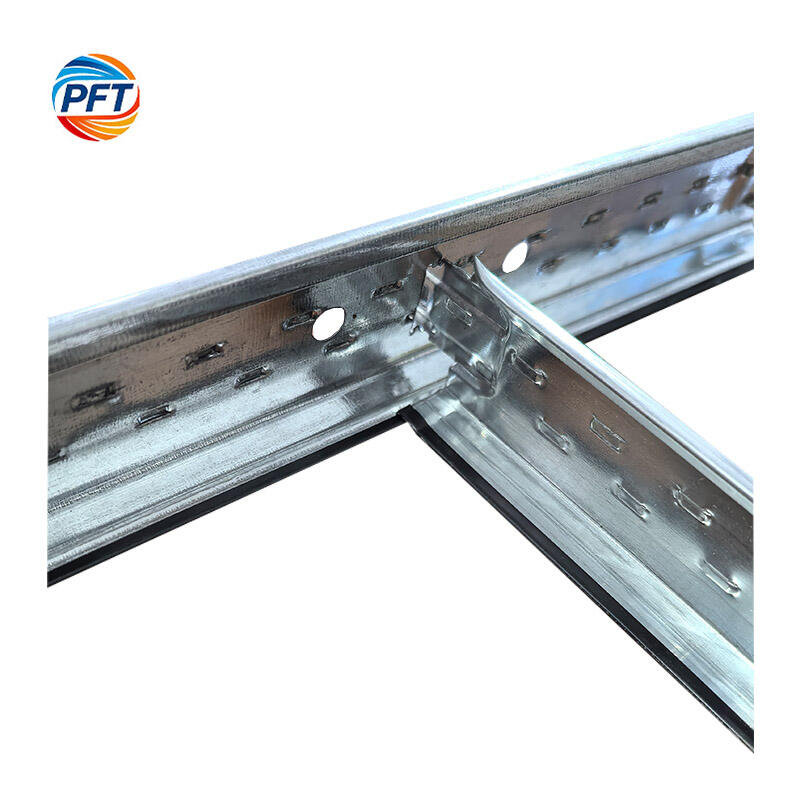
Современные офисные помещения требуют потолочных материалов, которые обеспечивают баланс между функциональностью, эстетикой и эксплуатационными характеристиками, а также способствуют повышению производительности и благополучия сотрудников. Выбор подходящих потолочных материалов напрямую влияет на акустический комфорт, качество освещения, пожарную безопасность и общую атмосферу в рабочем пространстве. Современные офисные среды требуют потолочных решений, совместимых с интеграцией передовых технологий, гибкими планировками и изменяющимися потребностями рабочих мест, при этом сохраняющих профессиональный внешний вид и операционную эффективность.
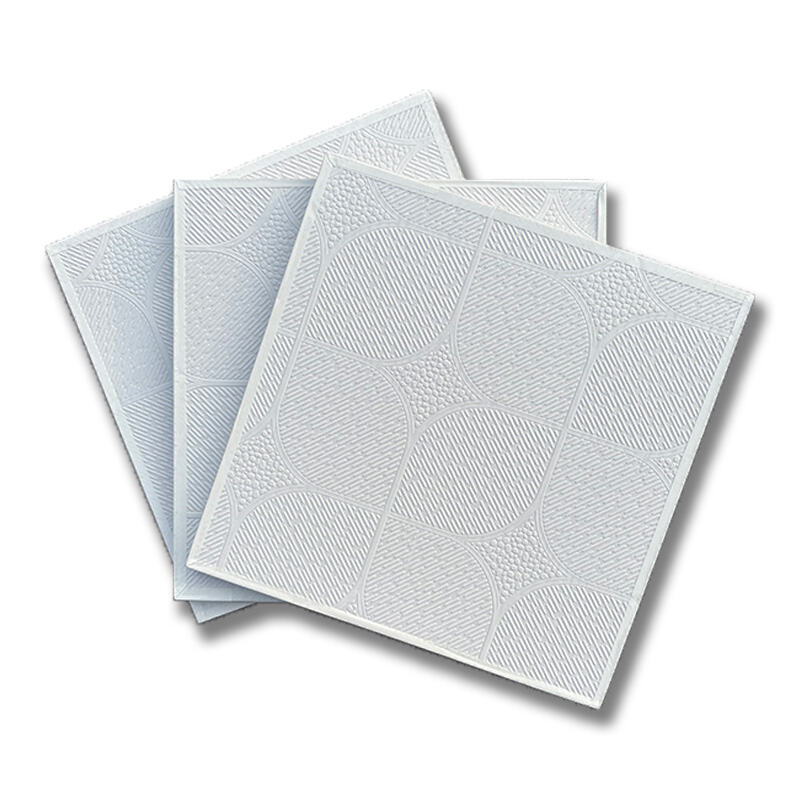
Выбор подходящих материалов для потолков при проектировании современных офисов предполагает оценку акустических характеристик, прочности, требований к техническому обслуживанию, а также возможностей интеграции с системами освещения и отопления, вентиляции и кондиционирования воздуха. Пять наиболее эффективных материалов для потолков в современных офисных помещениях обладают каждым свои уникальными преимуществами, позволяющими решать конкретные задачи рабочей среды, одновременно способствуя устойчивой практике строительства и повышению комфорта сотрудников. Понимание особенностей этих материалов позволяет принимать обоснованные решения, отвечающие как текущим функциональным потребностям, так и долгосрочным операционным целям.
Плиты из Минерального Волокна для Потолков
Акустические характеристики и управление звуком
Минераловолоконные потолочные материалы превосходно справляются с акустическим контролем, что делает их идеальными для открытых офисных помещений, где управление шумом имеет решающее значение. Эти потолочные материалы обладают пористой структурой, эффективно поглощающей звуковые волны, снижающей уровень фонового шума и повышающей конфиденциальность речи между рабочими местами. Акустические свойства минераловолоконных плит способствуют созданию комфортной рабочей среды за счёт минимизации отвлекающих факторов, вызванных разговорами, телефонными звонками и шумом офисного оборудования.
Коэффициенты звукопоглощения качественных минераловолоконных потолочных материалов обычно находятся в диапазоне от 0,70 до 0,95, обеспечивая значительную способность к снижению шума. Такие акустические характеристики способствуют концентрации сотрудников и повышению их производительности, одновременно сохраняя открытую и совместную атмосферу, требуемую современными офисами. Способность материала управлять отражением звука также улучшает чёткость видеоконференций и презентаций в переговорных комнатах.
Пожарная безопасность и соответствие строительным нормам
Минераловолокнистые материалы для подвесных потолков обладают превосходными огнестойкими свойствами и соответствуют строгим строительным нормам и требованиям безопасности для коммерческих офисных помещений. Эти материалы изготавливаются с добавлением огнезащитных компонентов, предотвращающих распространение пламени и снижающих образование дыма при пожарах. Врождённая огнестойкость минераловолокнистых потолочных материалов способствует общей безопасности здания, а также удовлетворяет требованиям страховых компаний и нормативно-правовым требованиям.
Строительные нормы в большинстве юрисдикций признают минераловолокнистые материалы для подвесных потолков допустимыми огнестойкими конструкциями при их правильном монтаже. Данные материалы сохраняют структурную целостность при высоких температурах, обеспечивая ценное время для эвакуации в чрезвычайных ситуациях. Такие характеристики пожарной безопасности делают минераловолокнистые плиты особенно подходящими для многоэтажных офисных зданий и помещений с повышенными требованиями к безопасности.
Системы подвесных потолков из гипсокартона
Безшовный внешний вид и гибкость в проектировании
Материалы для подвесных потолков из гипсокартона обеспечивают гладкие и непрерывные поверхности, создающие чистый и современный эстетический облик в современных офисных помещениях. В отличие от систем с плиточными панелями, потолочные материалы из гипсокартона устраняют видимые линии каркаса и швы между элементами, предоставляя дизайнерам максимальную гибкость при интеграции освещения, архитектурных элементов и создания индивидуальных конфигураций. Бесшовный характер монтажа гипсокартонных потолков поддерживает сложные дизайн-концепции и одновременно позволяет реализовывать потолки сложной геометрии.
Современные офисные решения зачастую требуют материалы для потолков материалов, которые можно окрашивать, текстурировать или отделывать так, чтобы они соответствовали конкретному фирменному стилю и интерьерной концепции. Системы из гипсокартона совместимы с различными методами финишной отделки — от простого окрашивания до сложных декоративных решений. Такая адаптивность делает материалы для гипсокартонных потолков отличным выбором для кабинетов руководителей, зон ресепшн и помещений, где визуальное воздействие имеет первостепенное значение.
Структурная интеграция и несущая способность
Гипсовые потолочные материалы обладают превосходными конструкционными характеристиками по сравнению с лёгкими альтернативами и способны выдерживать более тяжёлые осветительные приборы, произведения искусства и техническое оборудование без необходимости в дополнительном укреплении. Прочностные характеристики материала позволяют непосредственно крепить проекторы, акустические системы и другое офисное оборудование, не нарушая целостности потолка. Такая несущая способность упрощает процессы монтажа и снижает общую стоимость проекта.
Конструкционные свойства гипсовых потолочных материалов также обеспечивают сложную интеграцию систем отопления, вентиляции и кондиционирования воздуха (HVAC), позволяя скрыть воздуховоды, диффузоры и системы климат-контроля. Материал можно резать и формовать для размещения инженерных систем, сохраняя при этом гладкость поверхности. Такая возможность интеграции делает гипсовые системы особенно ценными в помещениях, где требуется обширная технологическая инфраструктура.
Панели металлического потолка
Прочность и долговечность
Металлические материалы для подвесных потолков обеспечивают исключительную прочность и долговечность, что делает их экономически выгодным решением для офисных помещений с высокой проходимостью. Потолочные материалы из алюминия и стали устойчивы к механическим повреждениям, проникновению влаги и воздействию окружающей среды, сохраняя при этом высокое качество внешнего вида на протяжении длительного времени. обслуживание врождённая прочность металлических материалов для подвесных потолков исключает проблемы провисания, деформации или разрушения, которые могут возникать у других типов материалов.
Требования к техническому обслуживанию металлических материалов для подвесных потолков минимальны по сравнению с другими вариантами: для поддержания оптимального внешнего вида достаточно периодической очистки. Непористые поверхности металлических материалов для подвесных потолков устойчивы к образованию пятен, выцветанию и росту бактерий, а также обеспечивают лёгкость проведения дезинфицирующих процедур. Такая низкая потребность в обслуживании снижает эксплуатационные расходы в долгосрочной перспективе и гарантирует стабильно профессиональный внешний вид офисных помещений.
Современный эстетический облик и управление светом
Современные металлические потолочные материалы обладают элегантным промышленным внешним видом, который гармонично вписывается в современные тенденции офисного дизайна, а также обеспечивают отличные свойства отражения света. Отражающие поверхности металлических потолочных материалов повышают эффективность искусственного освещения за счёт более равномерного распределения света по всему офисному пространству. Такая способность к управлению светом снижает энергопотребление и одновременно улучшает визуальный комфорт сотрудников.
Металлические потолочные материалы доступны в различных отделках, перфорациях и конфигурациях, что позволяет удовлетворять как функциональные, так и декоративные требования. Перфорированные металлические потолочные материалы сочетают в себе звукопоглощающие свойства и современный внешний вид, тогда как сплошные панели обеспечивают максимальное отражение света. Широкий ассортимент доступных металлических потолочных материалов позволяет разрабатывать индивидуальные решения, отвечающие конкретным акустическим, светотехническим и эстетическим потребностям различных зон офиса.
Деревянные потолочные материалы
Биофильный дизайн и преимущества для здоровья и благополучия
Древесные материалы для потолков поддерживают принципы биофильного дизайна, вводя в интерьер естественные элементы, которые повышают благополучие сотрудников и их психологический комфорт в офисной среде. Исследования показывают, что потолочные материалы из натуральной древесины способны снижать уровень стресса, улучшать концентрацию внимания и повышать общую удовлетворённость работой среди офисных сотрудников. Тёплая, органичная внешность древесных потолочных материалов создаёт гостеприимную атмосферу, которая смягчает технологическую насыщенность современных рабочих мест.
Экологичные древесные потолочные материалы из лесов, сертифицированных по системам устойчивого лесопользования, способствуют получению сертификатов «зелёных» зданий и демонстрируют корпоративную экологическую ответственность. Естественная способность древесины к секвестрации углерода поддерживает цели устойчивого развития и одновременно обеспечивает возобновляемую альтернативу синтетическим материалам. Такие экологические характеристики делают древесные потолочные материалы привлекательным выбором для организаций, ставящих во главу угла экологическую ответственность.
Акустические свойства и универсальность монтажа
Древесно-стружечные потолочные материалы обеспечивают превосходные акустические характеристики благодаря естественному поглощению звука и демпфированию вибраций. Ячеистая структура древесных потолочных материалов естественным образом поглощает звуковую энергию, создавая комфортную акустическую среду для офисной деятельности. Специализированные древесные потолочные материалы с интегрированной акустической подложкой повышают эффективность контроля шума, сохраняя при этом естественную эстетическую привлекательность.
Гибкость монтажа древесных потолочных материалов позволяет использовать различные системы крепления — от традиционных подвесных решёток до методов прямого крепления. Современные древесные потолочные материалы выпускаются в виде реек, панелей и плиток, что обеспечивает поддержку различных дизайнерских подходов и требований к монтажу. Такая универсальность позволяет эффективно интегрировать древесные потолочные материалы в существующие строительные системы, одновременно придавая помещению уникальный визуальный облик.
Потолочные решения из пластика и композитных материалов
Устойчивость к влаге и гигиенические характеристики
Пластиковые и композитные потолочные материалы отлично подходят для помещений с повышенной влажностью, таких как офисные кухни, туалеты и рабочие зоны на цокольных этажах, где поддержание оптимального уровня влажности представляет сложность. Эти потолочные материалы устойчивы к поглощению воды, что предотвращает образование плесени, появление пятен и деградацию структуры, способную ухудшить качество воздуха в помещениях. Непористые поверхности пластиковых потолочных материалов обеспечивают возможность тщательной очистки и дезинфекции, требуемой в офисах медицинских учреждений и помещениях общественного питания.
Антимикробные свойства, присутствующие в современных пластиковых материалах для подвесных потолков, обеспечивают дополнительную защиту от бактериального и вирусного загрязнения, поддерживая инициативы по охране здоровья и безопасности на рабочем месте. Эти материалы для подвесных потолков сохраняют гигиенические условия и одновременно устраняют опасения, связанные с деградацией материала под воздействием моющих химических средств или влажности. Высокие гигиенические характеристики пластиковых потолочных материалов делают их особенно подходящими для медицинских кабинетов, лабораторий и других специализированных рабочих помещений.
Экономическая эффективность и удобство монтажа
Пластиковые и композитные материалы для подвесных потолков обеспечивают значительные экономические преимущества за счёт более низкой стоимости материалов, упрощённых процедур монтажа и снижения требований к техническому обслуживанию по сравнению с традиционными альтернативами. Лёгкий вес пластиковых потолочных материалов снижает нагрузку на несущие конструкции и одновременно позволяет выполнять монтаж быстрее небольшими бригадами. Такая эффективность монтажа приводит к снижению трудозатрат и сокращению сроков реализации проектов по ремонту и строительству офисных помещений.
Стабильность геометрических размеров качественных пластиковых потолочных материалов исключает проблемы, связанные с расширением, сжатием и короблением, которые могут возникать у натуральных материалов при изменении условий окружающей среды. Эта стабильность гарантирует неизменный внешний вид и эксплуатационные характеристики, а также снижает количество повторных выездов бригад и претензий по гарантии. Предсказуемое поведение пластиковых потолочных материалов способствует точному планированию проектов и контролю бюджета при разработке офисных объектов.
Часто задаваемые вопросы
Какие факторы следует учитывать в первую очередь при выборе материалов для подвесных потолков в офисных помещениях открытого типа?
Акустические характеристики должны быть главным критерием при выборе материалов для подвесных потолков в офисных помещениях открытого типа, поскольку контроль шума напрямую влияет на производительность и комфорт сотрудников. Обращайте внимание на материалы для потолков с высоким коэффициентом звукопоглощения — как правило, выше 0,70, — чтобы эффективно регулировать уровень шума. Кроме того, учитывайте класс огнестойкости, требования к техническому обслуживанию, а также совместимость с системами освещения и ОВКВ для обеспечения комплексной эксплуатационной надёжности.
Как материалы для потолков влияют на энергоэффективность современных офисов?
Потолочные материалы существенно влияют на энергоэффективность за счёт свойств отражения света, тепловых характеристик и режимов циркуляции воздуха. Светлые потолочные материалы с высокими значениями коэффициента отражения могут снизить потребность в искусственном освещении до 15 %, а теплоизолированные потолочные материалы повышают эффективность систем отопления, вентиляции и кондиционирования воздуха (HVAC). Правильно подобранные потолочные материалы способствуют улучшению общей энергоэффективности здания и снижению эксплуатационных затрат.
Какие потолочные материалы наиболее подходят для офисов, где требуется частая модернизация технологического оборудования?
Подвесные потолочные материалы с легко снимаемыми плитами обеспечивают максимальную гибкость при обновлении технологий и изменениях инженерной инфраструктуры. Минераловолокнистые плиты и металлические панели в решётчатых системах позволяют легко получить доступ к пространству над потолком для прокладки кабелей, установки оборудования и модернизации систем. Эти потолочные материалы удовлетворяют меняющиеся технологические потребности без необходимости проведения масштабных ремонтных работ.
Какие особенности технического обслуживания характерны для различных типов потолочных материалов в офисах?
Требования к техническому обслуживанию значительно различаются в зависимости от материала потолка: металлические и пластиковые варианты требуют минимального ухода по сравнению с натуральными материалами. Минераловолокнистые потолочные материалы могут нуждаться в периодической замене в зонах с высокой проходимостью, тогда как гипсовые и деревянные потолочные материалы со временем могут потребовать повторной отделки. При выборе потолочных материалов для различных зон офиса и с учётом характера их эксплуатации следует учитывать долгосрочные расходы на техническое обслуживание и удобство доступа.
Содержание
- Плиты из Минерального Волокна для Потолков
- Системы подвесных потолков из гипсокартона
- Панели металлического потолка
- Деревянные потолочные материалы
- Потолочные решения из пластика и композитных материалов
-
Часто задаваемые вопросы
- Какие факторы следует учитывать в первую очередь при выборе материалов для подвесных потолков в офисных помещениях открытого типа?
- Как материалы для потолков влияют на энергоэффективность современных офисов?
- Какие потолочные материалы наиболее подходят для офисов, где требуется частая модернизация технологического оборудования?
- Какие особенности технического обслуживания характерны для различных типов потолочных материалов в офисах?