 EN
EN


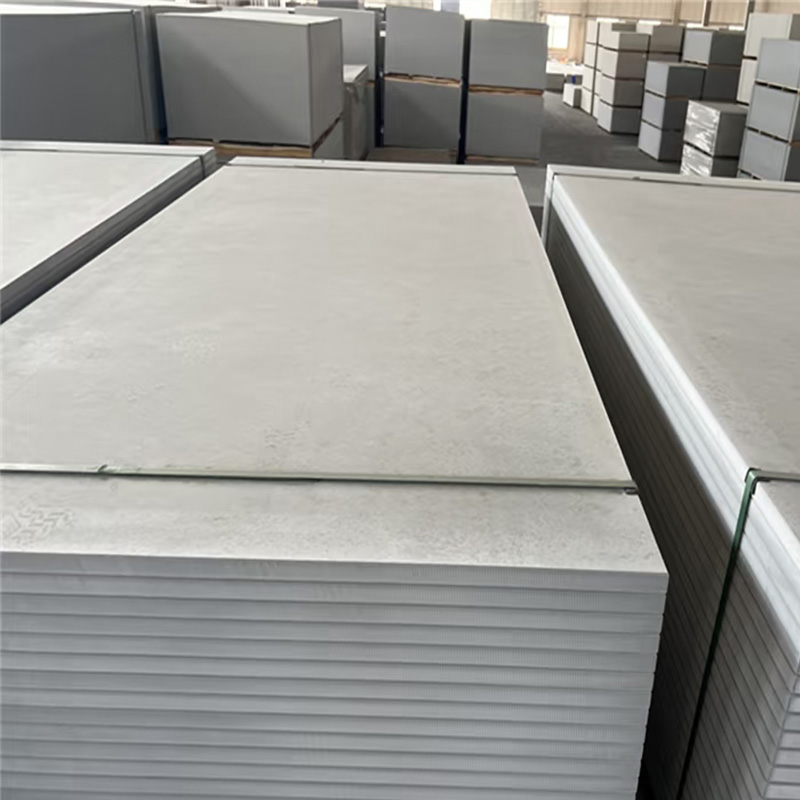
Calcium silicate board has become an essential material in modern construction and industrial applications across the globe. This versatile building product offers exceptional performance characteristics that make it ideal for environments where traditional materials fall short. Understanding what calcium silicate board is used for requires exploring its unique properties, which include outstanding fire resistance, excellent thermal insulation, and superior moisture management. Industries ranging from power generation to commercial real estate rely on calcium silicate board to meet strict safety codes and performance standards.
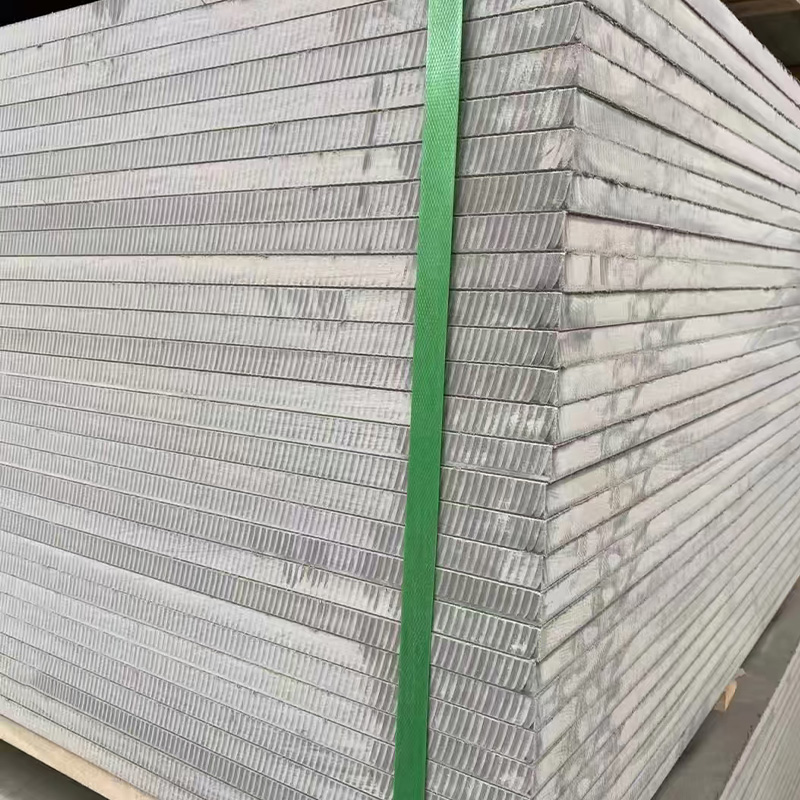
The demand for calcium silicate board continues to grow because it solves critical challenges in industrial and commercial settings. Engineers and architects specify calcium silicate board when conventional drywall, gypsum board, or foam-based insulation cannot withstand the demanding conditions of their projects. Whether protecting equipment from extreme temperatures, preventing fire spread in critical infrastructure, or creating moisture-resistant interior surfaces, calcium silicate board delivers consistent, measurable results. This comprehensive guide explores the primary applications, specific use cases, and practical reasons why calcium silicate board has become the material of choice for discerning builders and facility managers.
Fire Protection and Safety Applications
High-Temperature Fire Barrier Systems
One of the most critical uses of calcium silicate board is creating fire barrier systems in industrial and commercial facilities. Power plants, refineries, and manufacturing plants rely heavily on calcium silicate board to protect critical equipment, structural supports, and personnel escape routes. When exposed to extreme heat, calcium silicate board maintains its structural integrity far longer than standard drywall, giving occupants crucial extra time to evacuate safely. The inorganic composition of calcium silicate board means it does not combust or release toxic smoke when subjected to high temperatures, making it an ideal material for fire-rated walls, ceiling systems, and equipment enclosures.
Building Code Compliance and Fire Rating
Construction codes in most jurisdictions mandate the use of fire-rated materials in specific areas, and calcium silicate board meets or exceeds these stringent requirements. Architects and contractors specify calcium silicate board to achieve required fire ratings without adding excessive weight or bulk to structural systems. The material's ability to maintain compartmentalization during fire events makes it particularly valuable in multi-story commercial buildings, hospitals, data centers, and residential complexes. Using calcium silicate board for fire protection systems ensures that buildings pass inspection while protecting lives and assets during emergency situations.
Industrial Insulation and Temperature Control
Thermal Insulation in Harsh Environments
Industrial facilities operating at extreme temperatures require insulation materials that maintain performance without degradation, and this is where calcium silicate board excels. Petrochemical plants, metal fabrication facilities, and power generation stations use calcium silicate board as insulation for pipes, vessels, and equipment operating at temperatures that would destroy conventional foam or fiberglass insulation. The thermal properties of calcium silicate board allow it to resist thermal cycling—the repeated expansion and contraction caused by temperature fluctuations—without cracking or loss of insulating value. This durability translates directly into lower maintenance costs and more reliable facility operations over decades of service.
Equipment Protection and Cladding Applications
High-temperature equipment such as furnaces, boilers, and industrial ovens require protective cladding materials that can withstand continuous exposure to intense heat. Calcium silicate board serves as an outer protective layer that shields workers from burns while containing radiant heat and improving energy efficiency. The rigidity and dimensional stability of calcium silicate board make it ideal for custom-fitted enclosures around equipment with complex geometries. Facilities using calcium silicate board for equipment cladding report improved workplace safety, reduced energy consumption, and extended equipment service life because the insulation protects internal components from thermal stress.
Building Envelope and Interior Surface Applications
Moisture-Resistant Partition Walls and Interiors
Wet environments such as commercial kitchens, food processing facilities, laundries, and humid industrial spaces present unique challenges because traditional drywall deteriorates rapidly when exposed to moisture and mold growth. Specifying calcium silicate board for interior partition walls in these environments provides decades of durability without warping, mold proliferation, or structural degradation. The inorganic nature of calcium silicate board makes it resistant to biological attack, and its low water absorption rate means it sheds moisture rather than absorbing it. Facility managers choosing calcium silicate board for high-moisture applications reduce replacement cycles, maintenance costs, and health risks associated with mold and microbial contamination in commercial and industrial settings.
Ceiling Systems and Soffit Installations
Commercial and industrial facilities frequently install calcium silicate board in suspended ceiling systems and soffit applications where fire rating, moisture resistance, and durability are non-negotiable requirements. Data centers, pharmaceutical manufacturing plants, and food service facilities benefit from the superior performance characteristics that calcium silicate board brings to overhead applications. Unlike standard acoustic ceiling tiles that absorb moisture and deteriorate in humid conditions, calcium silicate board maintains its properties in demanding environments. The calcium silicate board used in ceiling systems provides integrated fire protection, acoustic control, and thermal insulation while remaining stable and durable throughout the building's operational life.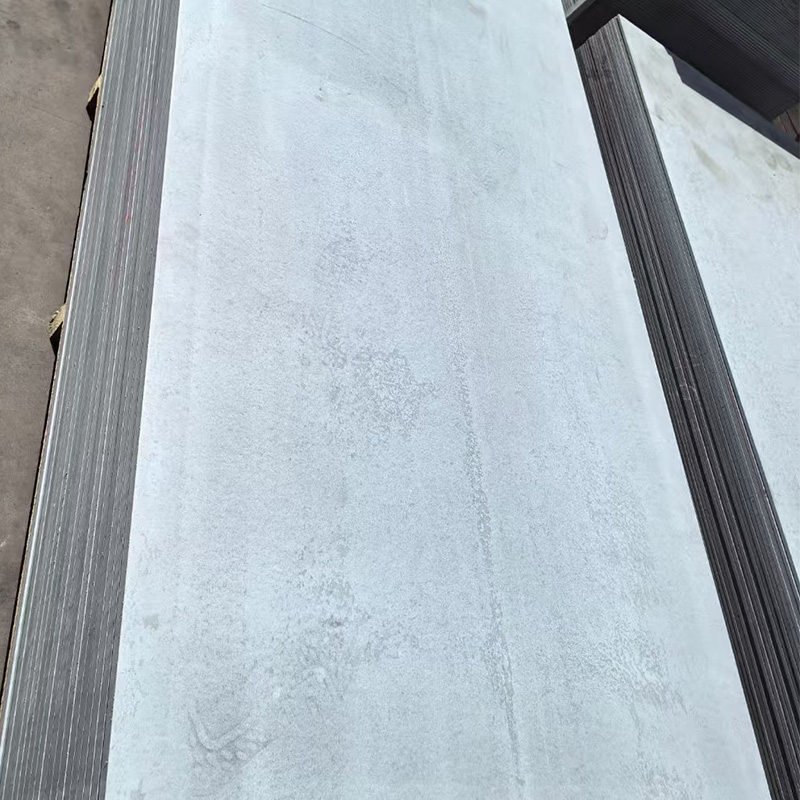
FAQ
Can calcium silicate board be used in residential construction projects?
Yes, calcium silicate board can be used in residential construction, particularly in areas where fire rating or moisture resistance is important, such as garage walls, basements, kitchens, and bathrooms. Many residential builders specify calcium silicate board in homes located in fire-prone regions or in areas subject to severe weather and moisture challenges. However, residential projects use calcium silicate board less frequently than commercial and industrial projects because the cost is higher than standard drywall, and residential building codes typically do not mandate the enhanced performance characteristics that calcium silicate board provides in all applications.
What is the typical lifespan of calcium silicate board?
When properly installed in appropriate environments, calcium silicate board can maintain its performance characteristics for 40 to 50 years or longer. The inorganic composition of calcium silicate board means it does not degrade from UV exposure, biological attack, or normal aging the way organic materials do. The actual lifespan depends on the specific application, environmental conditions, installation quality, and maintenance practices. In industrial facilities with proper ventilation and climate control, calcium silicate board installed decades ago continues to provide reliable fire protection and insulation performance.
How does calcium silicate board compare to fiberglass and foam insulation?
Calcium silicate board offers superior fire resistance, does not release toxic smoke or fumes when exposed to high heat, and maintains structural integrity in harsh environments where fiberglass and foam insulation would fail or decompose. Fiberglass insulation is less expensive and works well in standard building applications but cannot match the fire rating and durability of calcium silicate board in critical industrial applications. Foam-based insulation provides excellent thermal resistance in normal temperature ranges but deteriorates rapidly at high temperatures and can release harmful chemicals when exposed to flames. Choosing between these materials depends on the specific performance requirements, environmental conditions, and budget constraints of each project.