×
×

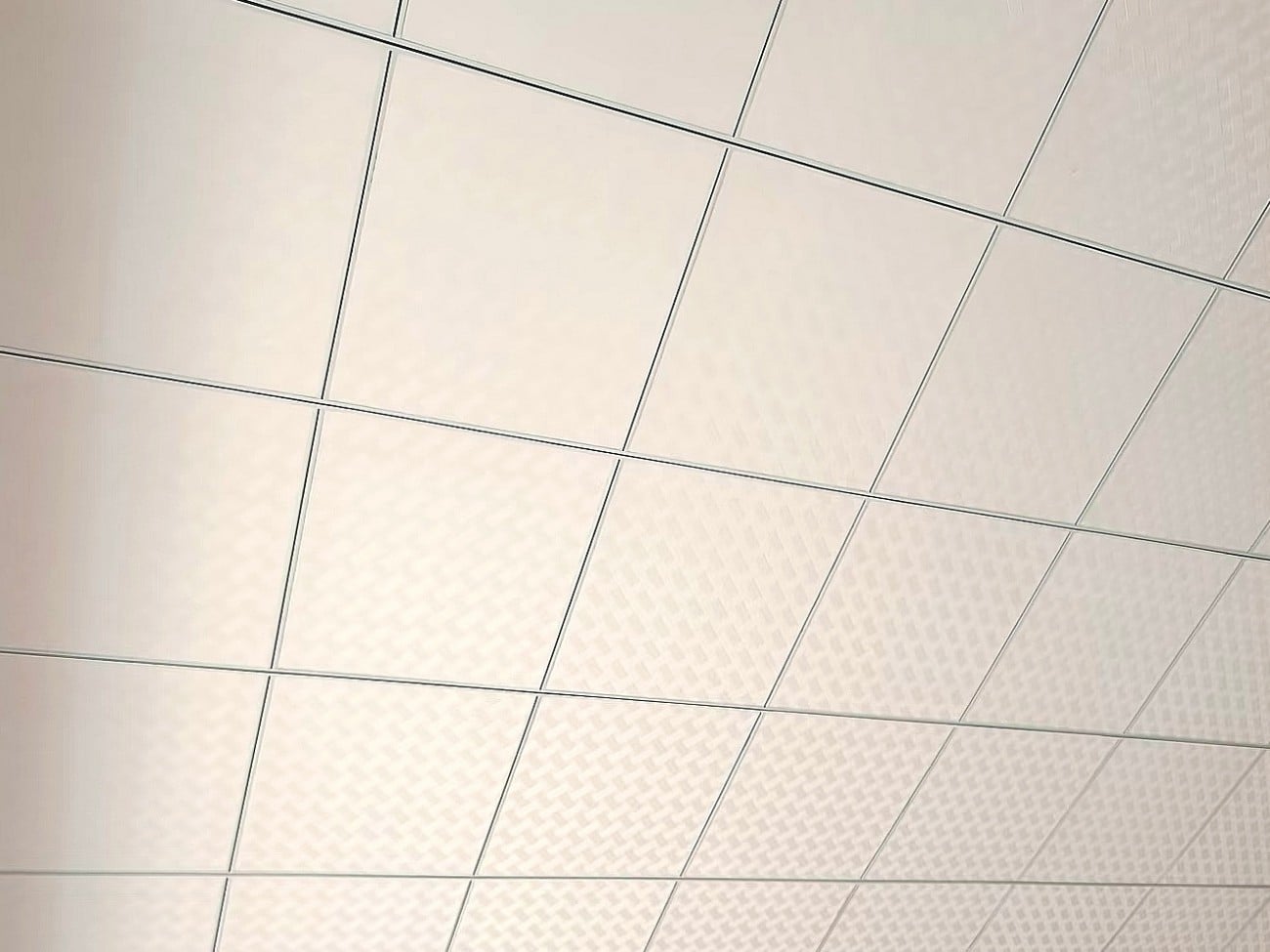
ដែលបានជំរុញដោយការធ្វើឱ្យឧស្សាហកម្មសាងសង់នៅទូទាំងពិភពលោកកាន់តែមានស្តង់ដារ និងការកើនឡើងនៃការប្រើប្រាស់ផលិតផល ប៉ូលីវីនីលគ្លីស៊ីត (PVC gypsum) ដុំផ្ទាំងលើកម៉ាស៊ីន កំពុងបណ្តាលឱ្យមានការផ្លាស់ប្តូរប្រព័ន្ធជាសកលនៅក្នុងទីផ្សារសាងសង់ឡើងវិញ។ សម្ភារៈរួមនេះ ភ្ជាប់ស្រទាប់សំណាក់សំណាក់ប៉ូលីវីនីល (PVC) ដែលមានស្ថេរភាពខ្ពស់ទៅនឹងផ្ទៃថ្លា (gypsum board) ដែលមានសារធាតុការពារទឹក និងមានសារធាតុដង់ស៊ីតេខ្ពស់ តាមរយៈដំណាំក្តៅខ្ពស់ ១២០–១៥០°C និងសម្ពាធខ្ពស់ ៨–១០ MPa ដោយប្រើបច្ចេកទេសបង្កើតស្រទាប់ដែលមានភាពច្បាស់លាស់ ដែលរួមបញ្ចូលគ្នានូវមុខងារគាំទ្ររចនាសម្ព័ន្ធ ការតុបតែង និងការការពារដែលមានប្រសិទ្ធភាព ទៅក្នុងផលិតផលមួយដែលបានផលិតជាមុន ហើយបានផ្លាស់ប្តូរគោលការណ៍សាងសង់ឡើងវិញនៅលើជញ្ជាំងតាមបែបប្រពៃណីយ៉ាងសំខាន់។
ទិន្នន័យទីផ្សារបញ្ជាក់ពីការរីកលូតលាស់យ៉ាងឆាប់រហ័សរបស់វា៖ ក្នុងត្រ៊ីមាសទី១ ឆ្នាំ២០២៤ ទីផ្សារអឺរ៉ុបបានកើនឡើង ២៣% ធៀបនឹងឆ្នាំមុន ដែលជាលទ្ធផលមកពីស្តង់ដារអគារបៃតង និងការខ្វះខាតកម្លាំងពលកម្ម៖ ការចូលរួមប្រើប្រាស់ផលិតផលសម្រាប់ការកែលម្អអាគារពាណិជ្ជកម្មថ្នាក់ខ្ពស់នៅប្រទេសចិន លើសពី ១៨% ហើយត្រូវបានអនុវត្តនៅក្នុងអាគារខ្ពស់ៗ និងសណ្ឋាគារតូចៗ៖ ការលក់ផលិតផលសម្រាប់ការកែលម្អផ្ទះនៅអាមេរិកខាងជើង (Home Depot, Lowe’s) កើនឡើង ៣១% ធៀបនឹងឆ្នាំមុន ដោយសារតែវាមានភាពងាយស្រួលសម្រាប់ការដំឡើងដោយខ្លួនឯង (DIY) និងការថែទាំតិច។ តួលេខទាំងនេះបង្ហាញពីការផ្លាស់ប្តូររចនាសម្ព័ន្ធ—ការកែលម្អដែលធ្វើដោយដៃ និងមិនស៊ីជម្រៅបានផ្លាស់ប្តូរទៅជាដំណោះស្រាយដែលផលិតដោយឧស្សាហកម្ម និងស្តង់ដារ ដែលផ្ទះលើសម្រាប់ប្រើប្រាស់ផ្ទៃសំបក PVC gypsum គឺស្ថិតនៅខាងមុខ។

១. ការបដិវ័ញ្ញន៍នៃប្រសិទ្ធភាព៖ កាត់បន្ថយពេលវេលាបាន ៧០%
ប្រៀបធៀបទៅនឹងដំណាំច្រើនជំហានបែបប្រពៃណី «ផ្ទៃក្តារយូស្តូន + ប៉ូតី + ថ្សិត/ក្រដាសតំបន់» ផ្ទៃរបស់វាដែលត្រូវបានផលិតជាមុន អនុញ្ញាតឱ្យមាន «ការបញ្ចប់ភ្លាមៗនៅពេលដំឡើង»៖ រយៈពេលសាងសង់ផ្ទៃ ១០០ ម៉ែត្រការ៉េ ត្រូវបានកាត់បន្ថយពី ៧-១០ ថ្ងៃ ទៅ ១-២ ថ្ងៃ ដែលកម្មករម្នាក់អាចដំឡើងបាន ៣០-៤០ ម៉ែត្រការ៉េក្នុងមួយថ្ងៃ៖ ថ្លៃការងារថយចុះ ៦០%-៧៥% ដោយសារការកាត់បន្ថយតម្រូវការកម្មករជំនាញខ្ពស់៖ គ្មានធូលី គ្មានការបញ្ចេញផოម៉ាលេហៃដ និង VOC ដែលធ្វើឱ្យរយៈពេលបើកបរអាកាសបន្ទាប់ពីការជួសជុលថយចុះពីច្រើនសប្តាហ៍ ទៅ ២៤ ម៉ោង ដែលសอดคลែងជាមួយនឹងទិសដៅសាងសង់បៃតង។
២. ការកែលម្អសុខភាព៖ ស្តង់ដារថ្មីសម្រាប់គុណភាពខ្យល់ក្នុងផ្ទះ
នៅពេលសុខភាព និងការការពារបរិស្ថានកំពុងក្លាយជាប្រធានបទសំខាន់ វត្ថុធាតុនេះបានកំណត់ស្តង់ដារថ្មីមួយសម្រាប់គុណភាពខ្យល់ក្នុងផ្ទះ។ ការសិក្សាដែលធ្វើឡើងដោយស្ថាប័នការពារបរិស្ថានអឺរ៉ុប និងមជ្ឈមណ្ឌលសាកល្បងវត្ថុធាតុសំណង់ជាតិចិនបានបង្ហាញថា ការបញ្ចេញ TVOC របស់វាមានកម្រិតទាបជាងការកែលម្អបែបប្រពៃណី 89% ហើយទាបជាងស្តង់ដារថ្នាក់ E0 របស់សហភាពអឺរ៉ុបយ៉ាងច្បាស់; ស្រទាប់ PVC ដែលបានដំណាំជាមុននៅរោងចក្រ បានលុបបំបាត់ការបញ្ចេញសារធាតុ VOC ដែលកើតឡើងពីការលាប និងការប្រើប្រាស់សារធាតុជាប់នៅក្នុងការងារនៅទីកន្លែង; សារធាតុប្រឆាំងបាក់តេរីដែលបានបញ្ចូលទៅក្នុងស្រទាប់ អាចបំបាត់បាក់តេរី Escherichia coli និង Staphylococcus aureus បានច្រើនជាង 99% ហើយមានឥទ្ធិពលប្រឆាំងបាក់តេរីរហូតដល់ 10 ឆ្នាំ ឬច្រើនជាងនេះ ដែលសាកសមបំផុតសម្រាប់ប្រើប្រាស់នៅក្នុងមន្ទីរពេទ្យ និងសាលាបឋមវ័យ។
3. អត្ថប្រយោជន៍សេដ្ឋកិច្ច៖ ការសន្សំសំចៃថ្លៃដើមទាំងមូលតាមវដ្តជីវិត
ទោះបីជារាយការណ៍តម្លៃឯកតារបស់វាក៏ដែលខ្ពស់ជាងផ្ទៃក្តារយ៉ាងធម្មតាដែលធ្វើពីថ្មកាល់ស្យូម ៣០% ដល់ ៥០% ក៏ដោយ ប៉ុន្តែអត្ថប្រយោជន៍នៃថ្លៃដើមសរុបក្នុងរយៈពេលវែងគឺច្បាស់លាស់៖ ថ្លៃដើមសម្រាប់ការថែទាំក្នុងរយៈពេលប្រាំឆ្នាំ ថយចុះ ៨០% ដោយសារផ្ទៃ PVC ដែលមានសមត្ថភាពទប់ទល់នឹងការកិន និងការប្រឡាក់ ហើយមិនត្រូវការលាបពណ៌ឡើងវិញ; រចនាសម្ព័ន្ធប្រកួតប្រជែងរបស់វាបង្កើនការការពារកំដៅ ដែលធ្វើឱ្យការប្រើប្រាស់ថាមពលសម្រាប់ការផ្តល់កំដៅ និងការត្រជាក់បានថយចុះ ១២% ដល់ ១៥% ក្នុងមួយឆ្នាំ។ ដូច្នេះ វាគឺសាកសមបំផុតសម្រាប់ស្ថានភាពដែលត្រូវបានប្រើប្រាស់ញឹកញាប់ ដូចជាប៉ារ៉ាស៊ីត មន្ទីរពេទ្យ និងផ្ទះបើកបរជួលរយៈពេលវែង ដែលពេលវេលាប៉ះពាល់ (downtime) និងថ្លៃដើមសម្រាប់ការថែទាំគឺមានសារៈសំខាន់ខ្លាំងណាស់។
នៅក្នុងលំហាងពាណិជ្ជកម្ម ពេលវេលាស្មើនឹងចំណូល—ទិន្នន័យឆ្នាំ២០២៣ពី Wanda Commercial Management បង្ហាញថា ហាងដែលប្រើសម្ភារៈនេះ បានឃើញពេលវេលាបិទសម្រាប់ការជួសជុលថយចុះពី ១៥ ថ្ងៃ ទៅ ៣ ថ្ងៃ ដែលធ្វើឱ្យការខាតបង់ចំណូលចំពោះការផ្តល់ជួលរបស់ហាងមួយ ថយចុះ ៨០០,០០០ យ៉uan ក្នុងមួយវដ្ត ហើយចំនួនអ្នកចូលទស្សនាក្នុងខែដំបូងបើកឱ្យប្រើប្រាស់កើនឡើង ៣០%។ Starbucks China បានអនុវត្តវាក្នុងការជួសជុលហាងចំនួន ១២០ នៅឆ្នាំ ២០២៣ ដែលបានកាត់បន្ថយពេលវេលាសាងសង់បាន ២/៣ ខណៈដែលធានាបាននូវភាពស៊ីសង្វាក់គ្នានៃរូបភាពម៉ាក។
នៅក្នុងទីផ្សារផ្ទះសម្បែង វាជំរុញឱ្យមានការកើនឡើងនៃការប្រើប្រាស់។ បន្ទាប់ពីប្រព័ន្ធបញ្ចប់គុណភាពខ្ពស់ "Beautiful Home" របស់ Vanke បានធ្វើឱ្យវាក្លាយជាស្តង់ដារសម្រាប់គម្រោងមធ្យមដល់ខ្ពស់ ការពេញចិត្តរបស់អតិថិជនបានកើនឡើង ៤១ ភាគរយ អត្រាបណ្តាស់ប្រឆាំងចំពោះការបញ្ជូនផ្ទះថយចុះ ៧៦% ហើយចន្លោះពេលសម្រាប់ជួសជុលបានយូរឡើងពី ៥–៨ ឆ្នាំ ទៅ ១០–១៥ ឆ្នាំ ដែលជួយកាត់បន្ថយការចំណាយរយៈពេលវែងសម្រាប់ម្ចាស់ផ្ទះ។ នៅអឺរ៉ុប វាជាសម្ភារៈសំខាន់សម្រាប់ផ្ទះប្រភេទម៉ូឌុល ដែលគម្រោង BoKlok របស់ស៊ុយអែតបានប្រើវាដើម្បីសម្រេចបានស្ថានភាព "អាចចូលរស់នៅបានភ្លាមៗ" ក្នុងរយៈពេល ២៤ ម៉ោង ខណៈដែលបំពេញតាមតម្រូវការអ៊ឺរ៉ុបចំពោះការសូន្យកាបូន។
ឧស្សាហកម្មនៅតែប្រឈមនឹងគ្រាប់ចោទបើសិនជាមានបញ្ហាបីយ៉ាងសំខាន់៖ ការព្យាបាលដែលរលូននៅតែអាស្រ័យលើជំនាញវិជ្ជាជីវៈរបស់មនុស្ស ដែលក្រុមហ៊ុនផលិតដែលមានឈ្មោះល្បីៗកំពុងអភិវឌ្ឍគែមដែលភ្ជាប់គ្នាបានយ៉ាងជិតស្និត និងឧបករណ៍ដែលគាំទ្រដោយ AI ដើម្បីកាត់បន្ថយកំហុសរបស់មនុស្ស៖ ការផ្លាស់ប្តូរទំហំ 0.1%-0.3% កើតឡើងនៅតំបន់ដែលមានភាពខុសគ្នានៃសីតុណ្ហភាពធ្ងន់ធ្ងរ ដែលបណ្តាលឱ្យការស្រាវជ្រាវ និងអភិវឌ្ឍន៍ (R&D) ចំពោះស្រទាប់ PVC ដែលបានកែប្រែសម្រាប់ស្ថេរភាពសីតុណ្ហភាពបានប្រសើរឡើង៖ ការប្រមូលផ្តុំសំណល់សមាសភាគច្រើនតិចជាង 15% ត្រូវបានប្រើឡើងវិញ ដែលការចូលរួមរបស់សមាគមឧស្សាហកម្មកំពុងវិនិយោគលើសារធាតុជាប់ដែលអាចបំផ្លាញបានដោយធម្មជាតិ និងបច្ចេកវិទ្យាការបំបែកដោយមេកានិក។
សម្រាប់អនាគត និយាយទូទៅ នឹងមានប្រវែងបីយ៉ាងដែលកំពុងកំណត់ឧស្សាហកម្ម៖ ការបញ្ចូលមុខងារដែលមានការដាក់បញ្ចូលពន្លឺ សារធាតុវាស់សីតុណ្ហភាព និងសារធាតុការពារសំលេង៖ ការច្នៃប្រឌិតដែលអាចរក្សាបានយូរ ដោយប្រើស្រទាប់ PVC ដែលផលិតពីសារធាតុជីវៈ និងសារធាតុជាប់ថ្មកាល់ស្យូម (gypsum) ដែលមានឥទ្ធិពលអវិជ្ជមានលើការបំភាយកាបូន៖ និងការឌីជីថលដោយប្រើបច្ចេកវិទ្យាស្កេន 3D ការរចនាដោយប្រើ BIM និងការផលិតជាមុនសម្រាប់ការកំណត់ប្រភេទ និងការដំឡើងដែលមានភាពត្រឹមត្រូវ និងរហ័ស។
យោងតាមការសិក្សារបស់ Grand View Research ទំហំទីផ្សារពិភពលោកក្នុងឆ្នាំ២០២៤ ឈានដល់ ១៨,៥ ពាន់លានដុល្លារអាមេរិក (តំបន់អាស៊ី-ប៉ាស៊ីហ្វិក ៤២%, អឺរ៉ុប ៣១%, អាមេរិកខាងជើង ២២%) ដែលមានអត្រាការលូតលាស់ប្រចាំឆ្នាំ (CAGR) ១១,៨% ពីឆ្នាំ២០២៤ ដល់ឆ្នាំ២០៣០ ហើយបានទស្សនាវាស់ថា នឹងឈានដល់ ៣៦ ពាន់លានដុល្លារអាមេរិក នៅឆ្នាំ២០៣០។ ថ្នាក់ខ្ពស់ ផលិតផល (លើសពី ២០ ដុល្លារអាមេរិក/ម៉ែត្រការ៉េ) នឹងកើនឡើងដោយមានអត្រាកំណើនឆ្នាំចំពោះឆ្នាំ (CAGR) ១៥,៣% ដោយមានកន្លែងវិនិយោគសំខាន់ៗនៅលើការស្រាវជ្រាវ និងអភិវឌ្ឍន៍ (R&D) របស់សម្ភារៈដែលមានសមត្ថភាពខ្ពស់ ការផលិតឆ្លាត បច្ចេកវិទ្យាសម្រាប់ការដំឡើង និងដំណោះស្រាយសម្រាប់ការប្រមូលផ្តុំឡើងវិញ។
"ផ្ទាំងដំបូល PVC representing the renovation industrys historic shift from handicraft to manufacturing" បានបញ្ជាក់ថា Zhang Ming អ្នកវិភាគនៅឯក្រុមជំនាញពិនិត្យមើលវត្ថុអគារ BuildTech។ "ការប្រកួតប្រជែងនៅអនាគតនឹងផ្តោតលើប្រព័ន្ធអេកូឡូស៊ីទាំងស្រុងនៃ R&D, ការរចនាឌីជីថល, ការដំឡើងដោយឆ្លាតវៃនិងការច្នៃប្រឌិតជាលក្ខណៈចរន្ត"។ ខណៈដែលការសាងសង់ពិភពលោកដើរទៅរកការធ្វើឧស្សាហកម្ម, ការធ្វើជាតំបន់ស្លឹករឹត និងការធ្វើជាតិនិយម, ផ្ទាំងដំបូល PVC gypsum កំពុងវិវត្តពីជម្រើសទៅជាវត្ថុមូលដ្ឋាន, ការកែច្នៃប្រឌិតប្រព័ន្ធតម្លៃទាំងមូលនៃ
 ព័ត៌មានក្តៅ
2026-01-29
2026-01-27
2026-01-23
រក្សាសិទ្ធិគ្រប់យ៉ាង © ២០២៦ ក្រុមហ៊ុនសេជីយ៉ាហ្ស្វូអាង ផេរហ្វេქត អ៊ីមផ៉ូត និង អេქសផ៉ូត ធ្លាក់ ឡធីឌី ទាំងអស់
 EN
EN