 EN
EN


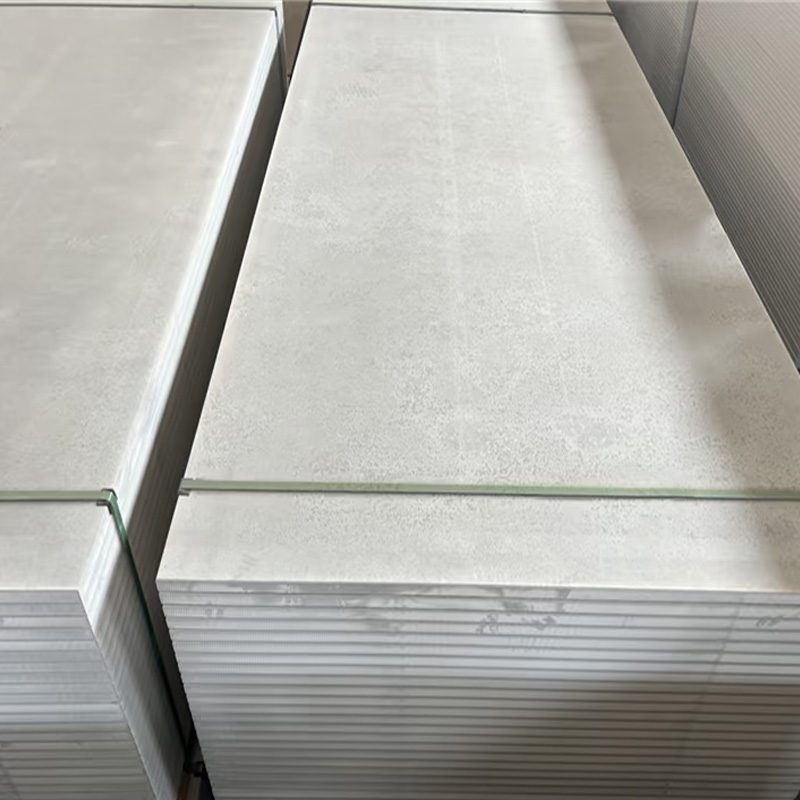
Choosing between a calcium silicate board and traditional gypsum materials is one of the most important decisions in modern construction and interior design. Both materials serve critical roles in walls, ceilings, and partition systems, yet they differ significantly in performance, durability, and application suitability. Understanding these differences helps builders, architects, and facility managers select the right material for specific environmental conditions and project requirements. The calcium silicate board has emerged as a premium alternative to gypsum in many demanding applications, particularly where moisture, temperature extremes, or fire performance matter most.
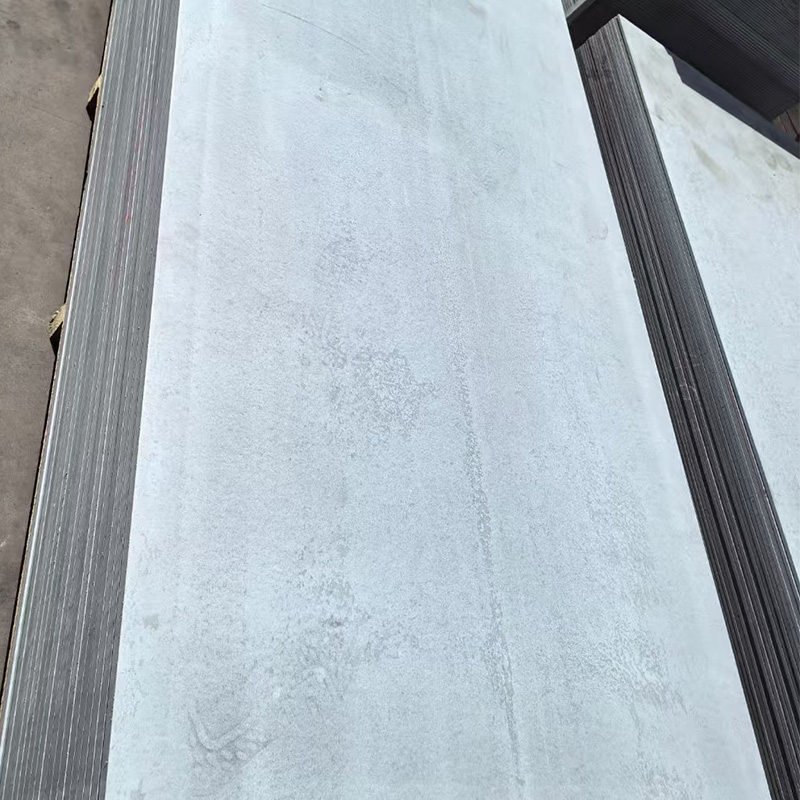
This comprehensive comparison examines how calcium silicate board and gypsum products perform across moisture resistance, fire safety, structural integrity, cost considerations, and installation factors. By exploring the strengths and limitations of each material, you will gain clarity on which option best serves your specific project needs, climate conditions, and long-term maintenance expectations.
Material Composition and Core Properties
Understanding Calcium Silicate Board Structure
A calcium silicate board is engineered from a blend of calcium, silica, reinforcing fibers, and binding agents that create a dense, non-combustible composite. This composition gives calcium silicate board exceptional inherent strength and resistance to thermal stress. Unlike gypsum, which relies on water crystallization for its set, a calcium silicate board achieves its properties through chemical hydration and silicate bonding, resulting in a material that remains stable even when exposed to repeated moisture cycles or high heat. The manufacturing process for calcium silicate board involves autoclaving or steam curing at elevated pressure and temperature, which produces a homogeneous, durable product with consistent performance characteristics across the entire board.
Gypsum Material Characteristics
Gypsum drywall consists of a gypsum core sandwiched between paper layers, creating a lightweight, easy-to-install material. While gypsum performs well in normal interior environments, its paper facing and water-based core make it vulnerable in moisture-rich or high-temperature settings. Gypsum's strength comes from the crystalline structure of hydrated calcium sulfate, which can break down when exposed to prolonged moisture. The paper facings on gypsum boards also provide routes for mold and mildew penetration, whereas a calcium silicate board resists biological growth due to its inorganic, inert composition. Traditional gypsum is lighter and more affordable, but its moisture sensitivity and combustibility limit its use in kitchens, bathrooms, wet rooms, and fire-rated assemblies compared to calcium silicate board alternatives.
Fire Performance and Safety Ratings
Fire Resistance of Calcium Silicate Board
One of the most compelling reasons to choose a calcium silicate board over gypsum is its superior fire performance. Calcium silicate board is classified as non-combustible under most building codes because it contains no organic binders and resists flame propagation at extreme temperatures. When exposed to direct flame, a calcium silicate board will not ignite, does not produce smoke, and maintains structural integrity far longer than gypsum. This non-combustible nature makes calcium silicate board the preferred choice for fire-rated wall assemblies, fire compartments, and high-risk environments such as laboratories, manufacturing facilities, and commercial kitchens. Building codes in most jurisdictions specifically recognize calcium silicate board as meeting non-combustible material requirements, allowing designers to achieve fire ratings with simpler, more cost-effective assembly designs than those required for gypsum-based systems.
Gypsum Fire-Resistance Limitations
While gypsum drywall is fire-resistant due to the water content in its gypsum core, it is not non-combustible. The paper facings on gypsum will ignite and burn when exposed to direct flame, and the water in the gypsum releases steam that can accelerate the spread of fire in confined spaces. To achieve fire ratings comparable to calcium silicate board, gypsum assemblies require additional protective layers, thicker board combinations, or supplemental insulation, all of which increase system complexity and cost. Calcium silicate board achieves similar fire ratings with simpler, thinner assemblies, making it a more efficient choice when fire safety is paramount. Building code officials often recommend calcium silicate board for applications where non-combustible performance is legally required or strongly desired for occupant safety.
Moisture Resistance and Durability in Wet Environments
Moisture Performance of Calcium Silicate Board
The calcium silicate board excels in moisture-rich environments, a key advantage over conventional gypsum products. Because calcium silicate board has no paper facing and its mineral matrix is inherently inert, it resists water absorption, does not swell when wet, and maintains dimensional stability in high-humidity conditions. This makes a calcium silicate board ideal for bathrooms, kitchens, swimming pool areas, and industrial spaces where moisture exposure is constant. When tested to ASTM standards, calcium silicate board shows minimal water absorption and retains up to 90% of its original strength after prolonged submersion, outperforming moisture-resistant gypsum variants by a significant margin. In tropical climates or facilities with active steam, condensation, or spray exposure, specifying a calcium silicate board prevents the mold, decay, and structural degradation that compromises gypsum installations over time.
Gypsum Moisture Vulnerabilities
Standard gypsum drywall deteriorates rapidly when exposed to sustained moisture. The paper facings absorb water, promoting mold and mildew growth that can become a health hazard. The gypsum core absorbs water, causing swelling, loss of rigidity, and eventual disintegration if the moisture persists. Even moisture-resistant gypsum variants with treated paper and additives offer only partial protection and cannot match the durability of calcium silicate board in true wet environments. Once gypsum becomes saturated, the damage is often irreversible, requiring replacement of entire board sections. Building codes prohibit untreated gypsum in certain moisture-prone locations, and many insurance carriers and building officials prefer calcium silicate board specifications for kitchens, bathrooms, and commercial food preparation areas to reduce long-term maintenance risk and ensure code compliance.
Installation, Cost, and Practical Considerations
Installation and Workability Differences
Gypsum drywall remains easier and faster to install than calcium silicate board in standard interior construction. Gypsum can be cut with a utility knife, snapped quickly, and fastened with simple drywall screws, making it the default choice for speed-focused residential projects. Calcium silicate board is denser and harder to cut, requiring carbide-tipped blades and more careful handling, which can increase labor time and specialized skills needed on site. However, this extra durability during installation pays dividends in harsh environments where gypsum would fail. In high-moisture or fire-critical applications, the longer installation time for calcium silicate board is offset by its superior performance and reduced future maintenance costs. Many experienced contractors and builders now factor in the true lifecycle cost rather than initial installation speed, making calcium silicate board increasingly competitive even in mixed-use projects.
Cost and Long-Term Value Comparison
Calcium silicate board typically costs 2 to 3 times more per square foot than standard gypsum drywall, reflecting its advanced manufacturing and superior material properties. For a basic office renovation in a dry environment, gypsum remains the economical choice. However, in applications where calcium silicate board prevents water damage, mold remediation, structural repairs, and premature replacement cycles, its higher upfront cost delivers better total value. A bathroom or kitchen project using gypsum may require repeat repairs and replacement within ten to fifteen years, while a calcium silicate board installation often lasts thirty years or more without significant degradation. Facility managers, property owners, and building operators increasingly recognize that specifying calcium silicate board in appropriate applications reduces long-term maintenance budgets, improves occupant health, and protects asset value far more effectively than choosing gypsum solely on price.
FAQ
When should I choose calcium silicate board over gypsum?
Choose a calcium silicate board for bathrooms, kitchens, pools, steam rooms, industrial facilities, fire-rated assemblies, or any location with sustained moisture, high temperature, or fire safety requirements. In standard dry office environments or residential bedrooms, gypsum remains sufficient and more economical. The calcium silicate board is the superior choice when durability, occupant safety, and long-term cost of ownership outweigh initial material expense.
Is calcium silicate board safe for all building types?
Yes, calcium silicate board is safe for all building types and is actively specified in healthcare facilities, schools, laboratories, commercial kitchens, and high-rise residential projects. Its non-combustible rating, mold resistance, and dimensional stability make it a trusted material across regulated industries where building codes mandate stringent performance standards. Consult with your architect or building official to confirm compliance with specific code requirements for your project type.
Can I paint and finish calcium silicate board like gypsum?
Yes, calcium silicate board can be painted, wallpapered, and tiled just like gypsum drywall. However, because calcium silicate board is denser and more porous than gypsum, primers and finishing materials may require slight adjustments in application. Using appropriate joint compounds and primers designed for mineral-based boards ensures optimal adhesion and aesthetic results. Many contractors now offer turn-key finishing services for calcium silicate board installations, simplifying the process and ensuring professional outcomes.