 EN
EN


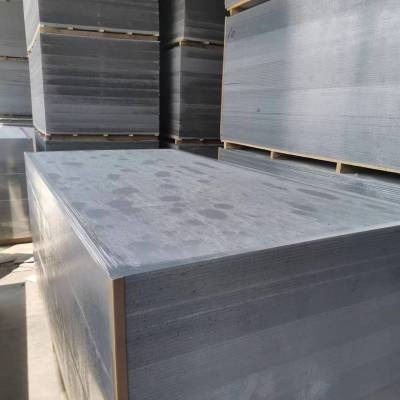
The construction industry constantly seeks materials that combine durability, safety, and performance. Magnesium oxide board has emerged as a transformative solution that meets these critical demands across diverse building applications. This versatile material delivers superior fire resistance, exceptional moisture tolerance, and structural reliability that traditional alternatives cannot match. Understanding the strategic uses for magnesium oxide board empowers architects, contractors, and builders to select materials that enhance project longevity and safety while reducing maintenance costs over the building lifecycle.
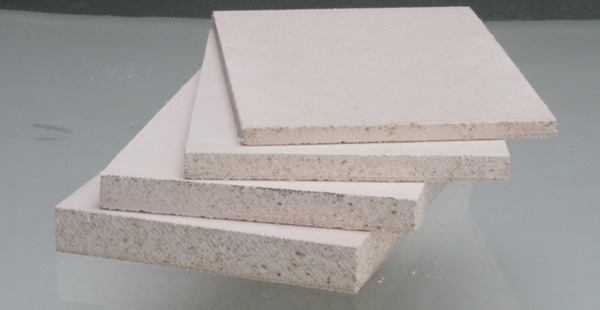
Magnesium oxide board stands apart because it combines non-combustible properties with remarkable moisture resistance in a single product. Unlike gypsum-based alternatives that deteriorate when exposed to humidity, magnesium oxide board maintains structural integrity in challenging environments. This fundamental advantage makes magnesium oxide board the preferred choice for applications where traditional drywall fails to perform adequately. The material's unique chemistry delivers performance benefits that directly impact project specifications, building codes compliance, and total cost of ownership across commercial and residential construction sectors.
Fire-Resistant Interior Partitions and Wall Systems
Enhanced Fire Safety in Commercial Spaces
Fire safety represents a primary concern in commercial construction, and magnesium oxide board addresses this challenge with inherent non-combustibility. When magnesium oxide board is incorporated into interior partition systems, it creates barriers that resist flame spread and limit smoke generation during fire events. Commercial buildings, especially those housing multiple tenants or serving as assembly spaces, benefit significantly from magnesium oxide board installations that exceed standard fire ratings. The material achieves high fire-resistance classifications without requiring additional protective coatings or complex installation procedures that delay project timelines or increase labor costs.
Building code authorities increasingly mandate fire-resistant construction in specific occupancy classifications, and magnesium oxide board simplifies code compliance by delivering inherent fire performance. Office buildings, hotels, and medical facilities rely on magnesium oxide board to construct partition systems that protect occupants and assets during fire emergencies. The material's inorganic composition means it does not produce toxic fumes or contribute to fire intensity when exposed to extreme heat, creating a safer environment for evacuation procedures. Architects specify magnesium oxide board because it eliminates the need for expensive intumescent coatings or additional protective barriers that compromise design aesthetics.
Residential Applications Demanding Fire Protection
Residential construction increasingly incorporates magnesium oxide board in areas where fire safety requires enhanced performance beyond standard drywall specifications. Kitchen installations, garage walls, and utility room partitions benefit from the fire-resistant properties that magnesium oxide board delivers as a foundational material. Home builders recognize that magnesium oxide board installation in these high-risk zones reduces insurance liability and increases property appeal to safety-conscious buyers. The material's reliability in residential fire-separation applications demonstrates that premium safety performance is achievable without compromising affordability or installation convenience.
Moisture-Resistant Applications in Wet Environments
Bathrooms, Kitchens, and Laundry Spaces
Moisture damage represents one of the most costly failure modes in construction, particularly in bathrooms, kitchens, and utility spaces where humidity levels remain persistently elevated. Magnesium oxide board eliminates moisture-related deterioration because its mineral composition resists water absorption and does not support mold colonization. Contractors specify magnesium oxide board behind tile installations, around fixtures, and in ceiling applications where traditional drywall fails within months or years. The material's dimensional stability ensures that corners remain sharp, tape seams remain intact, and fastener systems maintain holding power despite repeated moisture exposure cycles.
Bathroom renovations increasingly specify magnesium oxide board as the intelligent alternative to standard drywall because it delivers long-term performance without requiring heavy vapor barriers or complex ventilation workarounds. When magnesium oxide board is installed properly with appropriate sealants and finishes, it virtually eliminates the hidden mold growth that compromises indoor air quality and creates health hazards. Building owners appreciate magnesium oxide board installations because they reduce warranty claims, minimize tenant complaints, and preserve property condition throughout extended ownership periods.
Exterior Soffits, Fascia, and Weather-Exposed Areas
Weather-exposed building components demand materials that withstand rain, snow, freeze-thaw cycles, and prolonged moisture contact without degradation. Magnesium oxide board performs exceptionally in soffit installations, fascia systems, and underside conditions where traditional materials cannot survive long-term. The material's resistance to weathering means magnesium oxide board maintains color stability and structural performance across decades of outdoor exposure. Builders in coastal regions, high-precipitation areas, and freeze-thaw climates specify magnesium oxide board because it eliminates premature failure modes that require costly maintenance and replacement.
Specialized Industrial and Commercial Construction Uses
Food Processing Facilities and Healthcare Environments
Food processing plants, cold storage facilities, and healthcare environments demand hygiene standards and material performance that standard construction materials cannot deliver. Magnesium oxide board installations in these specialized applications resist moisture, support regular sanitization protocols, and maintain structural integrity despite aggressive cleaning procedures. The material's inorganic composition means magnesium oxide board does not harbor bacteria or support mold growth that compromises facility certifications and health compliance. Processing facilities specify magnesium oxide board because it reduces contamination risk, simplifies maintenance procedures, and extends facility operation lifecycles between renovations.
Healthcare facilities utilize magnesium oxide board in areas requiring elevated hygiene standards because the material's non-porous surface prevents pathogen migration and supports infection-control protocols. Hospital walls, clean rooms, and laboratory spaces benefit from magnesium oxide board specifications that exceed standard drywall capabilities. Facility managers recognize that magnesium oxide board installations reduce maintenance burden, lower infection risk, and improve long-term cost efficiency compared to materials requiring frequent replacement or specialized treatments.
Industrial Storage and Equipment Enclosures
Industrial facilities frequently use magnesium oxide board to construct storage enclosures, equipment housings, and machinery protection systems that must withstand temperature variations, moisture exposure, and mechanical stress. Manufacturing plants rely on magnesium oxide board because it tolerates vibration, maintains dimensional stability, and resists degradation from industrial atmospheres that compromise alternative materials. The material's strength allows thin-gauge installations that maximize usable space while maintaining protective enclosure integrity. Engineers specify magnesium oxide board in industrial applications because it delivers predictable performance across harsh operating conditions that would destroy gypsum or conventional composite materials.
FAQ
What makes magnesium oxide board superior to drywall for wet locations?
Magnesium oxide board's inorganic mineral composition resists water absorption and mold growth, whereas gypsum drywall deteriorates when exposed to prolonged moisture. Standard drywall absorbs water like a sponge and becomes vulnerable to mold colonization within days of moisture exposure. Magnesium oxide board maintains structural integrity, dimensional stability, and aesthetic appearance even in bathrooms, kitchens, and exterior applications where humidity remains continuously elevated. This fundamental material difference means magnesium oxide board eliminates the hidden damage, warranty claims, and premature replacement cycles that plague standard drywall installations in wet environments.
Can magnesium oxide board be used in both residential and commercial construction?
Yes, magnesium oxide board performs effectively across residential and commercial applications, from single-family homes to large-scale industrial facilities. Residential builders specify magnesium oxide board in kitchens, bathrooms, and fire-separation areas where performance requirements exceed standard drywall specifications. Commercial developers utilize magnesium oxide board in office partitions, hospitality properties, healthcare facilities, and food processing plants where durability and fire safety justify the material investment. The versatility of magnesium oxide board across diverse project types reflects its broad utility and proven performance history across every building sector.
How does magnesium oxide board affect building code compliance?
Magnesium oxide board's non-combustible fire rating and moisture resistance properties directly support building code compliance in areas where standard materials fail certification requirements. Building inspectors recognize magnesium oxide board installations as code-compliant solutions in fire-separation walls, wet-environment applications, and specialized occupancy classifications. Architects specify magnesium oxide board because it simplifies code review processes, eliminates the need for alternative protective systems, and demonstrates compliance through material inherent properties rather than complex installation procedures. The material's established track record in high-performance buildings provides confidence that magnesium oxide board installations will satisfy inspector requirements and maintain compliance throughout the building lifecycle.